Pickleball Primer: Beginner Tips & Techniques
Understanding the Basics:
Before diving into techniques, it's crucial to understand the fundamental rules and equipment of pickleball. The game is typically played on a rectangular court with a net in the center, and players use solid paddles to hit a perforated ball over the net. Familiarizing oneself with the court dimensions, scoring system, and basic rules lays a solid foundation for a successful pickleball journey.
Choosing the Right Equipment:
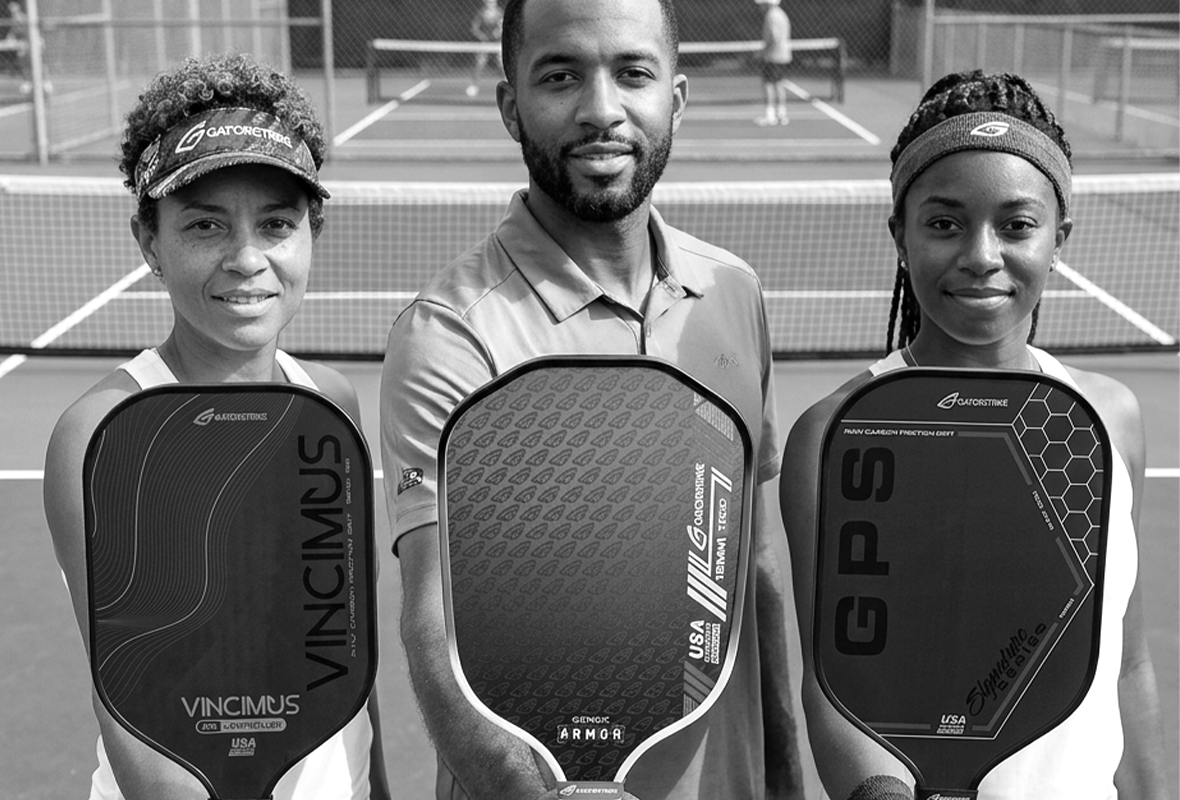
Pickleball paddles come in various materials and designs, impacting a player's control and power. Beginners should start with a paddle that offers a balance between control and power. Additionally, comfortable athletic shoes with good traction are essential to support lateral movements on the court. Investing in the right equipment can significantly enhance a player's overall experience.
Mastering the Serve:
The serve sets the tone for every pickleball rally. Beginners should focus on developing a consistent and accurate serve. Start with an underhand serve, ensuring the ball clears the non-volley zone and initiates the game with precision. Practicing different serves and mastering the art of ball placement can give players a strategic edge.
Positioning and Court Awareness:
Pickleball is not just about hitting the ball hard; it's about smart positioning on the court. Beginners should learn the importance of court awareness, understanding where to stand during different phases of the game. Being at the right place at the right time maximizes opportunities and minimizes vulnerabilities.
Mastering the Dink Shot and Third Shot Drop:
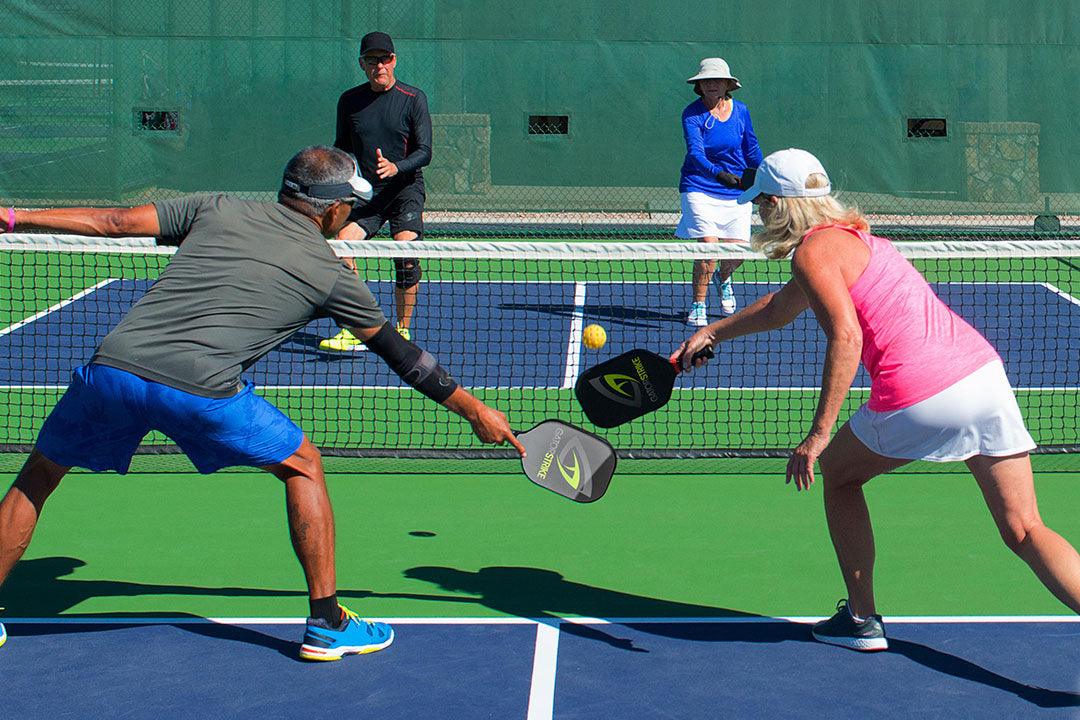
Two crucial techniques in pickleball are the dink shot and the third shot drop. The dink shot involves softly tapping the ball just over the net, while the third shot drop is a strategic move to regain control after the serve. Mastering these delicate techniques requires practice, finesse, and a keen understanding of the opponent's position on the court.
Pickleball is not just a game; it's an art that combines skill, strategy, and physical fitness. For beginners, the journey might seem challenging at first, but with consistent practice and a focus on mastering the basics, players can elevate their game. As you step onto the pickleball court, remember that every rally is an opportunity to improve, learn, and, most importantly, enjoy the exhilarating experience that pickleball offers.
Share this article
Related Posts
Starting Strong: A Beginner’s Guide to Learning Pickleball the Right Way
Pickleball has quickly grown from a backyard pastime into one of the fastest-growing sports in the world. Its appeal lies in its accessibility, social nature, and the perfect blend of strategy and athleticism. For beginners, the game can feel deceptively simple at first glance, but learning it the right way from the start can make a dramatic difference in how quickly you improve and how much you enjoy the process. This guide walks you through the fundamentals with clarity and purpose, helping you build a strong foundation that sets you up for long-term success on the court. Understanding the Game Before You Play Before stepping onto the court, it helps to understand what makes pickleball unique. Played on a badminton-sized court with a paddle and a perforated plastic ball, the game combines elements of tennis, badminton, and table tennis. The most important distinction for beginners is the non-volley zone, commonly called the kitchen. This area near the net prevents players from smashing volleys too aggressively, encouraging strategic play and control rather than brute force. Learning the rules early helps avoid bad habits. Focus on essentials such as the underhand serve, the two-bounce rule, and proper scoring. These are the building blocks that shape how the game flows. Choosing the Right Equipment Starting with the right gear makes learning smoother and more enjoyable. While it may be tempting to grab any paddle and jump in, equipment plays a bigger role than most beginners realize. A balanced paddle with a comfortable grip and moderate weight is ideal for new players. You want something that offers control while still allowing you to generate enough power. Shoes with good lateral support are equally important since pickleball involves quick side-to-side movement. Avoid going straight for advanced or highly specialized paddles. As a beginner, your priority should be control, consistency, and feel. Building Proper Fundamentals Early One of the biggest mistakes beginners make is focusing too much on winning points instead of learning proper technique. Developing good habits early will save you time and frustration later. Start with your grip. A relaxed, neutral grip allows better control and reduces strain on your wrist. Your stance should be balanced and ready, with knees slightly bent and weight centered. Practice your serve with consistency in mind rather than power. A reliable serve that lands in play every time is far more valuable than an occasional powerful one. Groundstrokes should be smooth and controlled. Focus on making clean contact with the ball rather than hitting hard. Consistency is your greatest advantage as a beginner. Mastering the Soft Game Pickleball is often described as a game of finesse, and nowhere is that more evident than in the soft game. Learning to control the pace and placement of the ball is what separates improving players from those who plateau. Dinking, or hitting soft shots into the kitchen, is a fundamental skill. It requires patience, touch, and an understanding of angles. Beginners often avoid it because it feels slow, but it is one of the most important aspects of the game. Practicing soft shots early helps you develop control and court awareness. It also prepares you for longer rallies and more strategic play. Positioning and Court Awareness Good positioning can make up for a lot of technical shortcomings. Many beginners struggle not because of poor shots, but because they are out of position. After serving or returning, work your way toward the kitchen line. This is the most advantageous position on the court because it allows you to control the rally and react quickly. Stay aware of your partner if you are playing doubles. Move together, communicate clearly, and avoid leaving gaps that opponents can exploit. Pickleball is as much about teamwork and positioning as it is about individual skill. Practicing with Purpose Simply playing games is not the fastest way to improve. Intentional practice is what accelerates progress. Set aside time to work on specific skills such as serves, returns, and dinks. Drills may not feel as exciting as matches, but they build muscle memory and confidence. Play with more experienced players when possible. Observing their decision-making and shot selection can provide valuable insights that you might not pick up on your own. Developing the Right Mindset Improvement in pickleball comes from patience and consistency. Beginners often get discouraged when progress feels slow, but every session contributes to your growth. Focus on learning rather than winning. Celebrate small improvements, such as better shot placement or fewer unforced errors. These incremental gains compound over time. Stay open to feedback and be willing to adjust your approach. The players who improve the fastest are those who embrace learning and remain adaptable. Avoiding Common Beginner Mistakes Many beginners fall into similar traps that can slow their development. Being aware of these early can help you avoid them. Hitting too hard too often is one of the most common issues. Power without control leads to unnecessary errors. Another mistake is neglecting the kitchen game. Avoiding dinks limits your ability to compete effectively as you progress. Poor positioning is also a frequent problem. Staying too far back or failing to move as a team in doubles can put you at a disadvantage. Recognizing these habits and correcting them early sets you apart from the average beginner. Making the Game Enjoyable At its core, pickleball is meant to be fun. The social aspect of the game is one of its greatest strengths. Whether you are playing casually or working to improve, enjoying the process keeps you motivated. Join local games, meet other players, and embrace the community. The more you play, the more comfortable and confident you will become. Final Thoughts Starting strong in pickleball is less about natural talent and more about building the right habits from the beginning. By focusing on fundamentals, practicing with intention, and maintaining a positive mindset, you create a solid foundation for long-term growth. The journey from beginner to confident player is both rewarding and enjoyable. Take your time, stay consistent, and let each game be an opportunity to learn.
Learn moreWhy Competitive Players Are Choosing Thinner Core Paddles
Step onto any competitive pickleball court today and you will notice a subtle but meaningful shift in equipment. More and more advanced players are reaching for paddles with thinner cores. This is not a coincidence or a passing trend. It reflects a deeper evolution in how the game is played at higher levels. As rallies become faster and decision making windows shrink, players are prioritizing responsiveness, precision, and speed. Thinner core paddles are emerging as a natural response to these demands, offering a performance profile that aligns with modern competitive play. What Defines a Thinner Core Paddle Most pickleball paddles fall within a core thickness range of about 13mm to 16mm. Thinner core paddles typically sit on the lower end of that spectrum, often around 13mm or 14mm. At first glance, the difference may seem minor. In practice, it significantly changes how the paddle behaves. Core thickness directly affects how energy is transferred, how the paddle feels on contact, and how quickly it responds during rapid exchanges. Speed Is the New Advantage One of the primary reasons competitive players gravitate toward thinner cores is speed. Faster Hand Battles at the Net At higher levels, points are often decided in quick hand exchanges near the kitchen line. A thinner core paddle allows for faster reload between shots. The reduced mass and more direct energy transfer help players react instantly without feeling delayed or bogged down. Reduced Lag in Swing Mechanics Thinner cores create a more connected feel between the player and the ball. There is less internal cushioning compared to thicker paddles, which means the paddle responds immediately upon contact. This responsiveness is critical when timing is everything. Enhanced Feedback and Precision Control is not just about keeping the ball in play. At the competitive level, it is about placing the ball exactly where you want it under pressure. Direct Ball Connection Thinner core paddles provide more tactile feedback. Players can feel the ball on the paddle face more clearly, which helps with shot shaping and placement. This is particularly useful for aggressive dinks, sharp angles, and controlled drives. Improved Shot Intent Because the paddle reacts more directly, players can execute their intended shots with greater accuracy. There is less unpredictability in how the ball leaves the paddle, allowing for more confident decision making. Power That Comes From Technique It is a common assumption that thicker paddles generate more power. While they can offer a trampoline effect due to increased dwell time, competitive players often generate their own power through technique and timing. Efficient Energy Transfer Thinner cores transfer energy more directly from the player to the ball. Instead of relying on the paddle to create power, players use their mechanics to produce controlled, purposeful shots. Controlled Aggression This type of power is easier to manage. Drives stay flatter and more precise, reducing the risk of overhitting. For players who thrive on calculated aggression, this is a major advantage. Tradeoffs and Why Competitive Players Accept Them No paddle design is without compromise. Thinner cores do have characteristics that may not suit every player. They tend to have a smaller margin for error on off center hits. The sweet spot can feel less forgiving compared to thicker paddles. They also provide less natural cushioning, which means players must have solid technique to maintain consistency. However, competitive players are willing to accept these tradeoffs because the benefits align with their style of play. Speed, precision, and responsiveness outweigh the need for extra forgiveness. The Influence of Modern Play Styles The shift toward thinner cores is also driven by how the game itself is evolving. Faster Rallies With players becoming more athletic and strategic, rallies are accelerating. The ability to react quickly and control the pace of play is more important than ever. Offensive Control Modern players are not just defending at the kitchen line. They are attacking from it. Thinner paddles enable quick counters, sharp angles, and aggressive placements that keep opponents under constant pressure. Versatility Across Shots From fast volleys to controlled drops, thinner core paddles offer a versatile response that adapts well to different situations. This flexibility is crucial in high level matches where variety wins points. Why the Gatorstrike Gold Pro Series Paddle Is a Smart Choice For players looking to experience the benefits of a thinner core paddle, the Gatorstrike Gold Pro Series Paddle stands out as a highly recommended option. It is designed with the competitive player in mind, delivering the speed and responsiveness that thinner cores are known for while maintaining a refined level of control. The paddle offers a crisp, connected feel that enhances feedback on every shot, allowing players to execute with confidence and precision. What makes it especially compelling is how it balances performance with playability. While it embraces the advantages of a thinner core, it does so in a way that remains stable and reliable during fast paced exchanges. For players who want to elevate their game with quicker reactions, sharper control, and more intentional power, the Gatorstrike Gold Pro Series Paddle is a natural fit that reflects the direction competitive pickleball is heading.
Learn moreSwing Weight, Stability, and Control in All Foam Power Paddles
Pickleball paddle technology is evolving at a pace that few players could have predicted just a few years ago. Among the most intriguing developments is the rise of all foam power paddles. These paddles are not just a variation of existing designs. They represent a fundamental shift in how energy, balance, and responsiveness are engineered into a paddle. To understand why they are gaining traction, it is essential to look beyond surface materials and focus on three performance pillars that define how a paddle truly plays: swing weight, stability, and control. What Makes All Foam Construction Different Traditional paddles rely on a honeycomb core, typically made from polymer or composite materials, sandwiched between surface layers. All foam paddles take a different approach by replacing that internal structure with a continuous foam core. This design changes how mass is distributed throughout the paddle. Instead of having pockets of air within a honeycomb, foam creates a more uniform internal density. The result is a paddle that behaves differently during acceleration, impact, and recovery. This difference becomes most noticeable when you start analyzing swing weight, stability, and control in real play scenarios. Understanding Swing Weight in All Foam Paddles Swing weight is one of the most misunderstood aspects of paddle performance. It is not just about how heavy a paddle feels in your hand, but how that weight is distributed and how it moves through your swing. All foam paddles tend to offer a more balanced and predictable swing profile. Because the internal material is consistent throughout, manufacturers can fine tune weight distribution with greater precision. Faster Through the Air Players often notice that all foam paddles feel quicker despite having similar static weights to traditional paddles. This is because the mass is distributed in a way that reduces drag during the swing. The paddle moves more naturally, allowing for faster reaction times at the net. Controlled Acceleration Another benefit is smoother acceleration. Instead of feeling top heavy or uneven, the paddle builds momentum in a controlled way. This is especially valuable during quick exchanges where timing is critical. Stability at Contact: The Hidden Advantage Stability is where all foam paddles begin to separate themselves from traditional designs. When the ball strikes the paddle, especially off center, the internal structure determines how much the paddle twists or vibrates. Reduced Torsional Instability Foam cores provide a more unified response across the paddle face. This reduces twisting on off center hits, which means more consistent shot outcomes. Players experience fewer mishits and better directional control, even under pressure. Expanded Effective Sweet Spot Because the material reacts more uniformly, the effective hitting area feels larger. You do not need to strike the exact center every time to produce a solid shot. This added forgiveness can be a game changer during fast paced rallies. Control Without Sacrificing Power Control and power are often seen as opposing forces in paddle design. Increasing one usually compromises the other. All foam paddles challenge this assumption. Dwell Time and Touch Foam cores tend to increase dwell time, which is the brief moment the ball stays on the paddle face. This allows players to guide shots with more precision, particularly during dinks, drops, and resets. Energy Return Efficiency At the same time, foam is capable of storing and releasing energy efficiently. This creates a responsive feel that delivers power when needed without becoming uncontrollable. The paddle does not feel overly stiff or overly muted. It finds a balance that suits a wide range of shot types. Who Benefits Most from This Technology All foam power paddles are not limited to one type of player. However, they tend to shine for those who value a blend of speed, consistency, and touch. Aggressive net players benefit from the quick handling and stability during fast exchanges. Intermediate players appreciate the forgiveness and expanded sweet spot, which helps build confidence and consistency. Advanced players enjoy the ability to generate power without losing control, especially in high level competitive play. The Bigger Picture of Paddle Evolution The emergence of all foam construction signals a broader trend in pickleball. Players are no longer choosing between power and control. They expect both, along with consistency and comfort. As materials and engineering continue to improve, paddles are becoming more refined tools that adapt to the player rather than forcing the player to adapt to the equipment. All foam paddles are at the forefront of this shift, offering a glimpse into the future of performance driven design. Why the Gatorstrike A.R.M.O.R GEN 5x ALL FOAM POWER Is Worth Considering For players ready to experience what all foam technology can truly offer, the Gatorstrike A.R.M.O.R GEN 5x ALL FOAM POWER stands out as a highly recommended option. This paddle embodies the core advantages discussed throughout this article. Its carefully engineered foam construction delivers a smooth, balanced swing weight that feels fast yet controlled. Stability at contact is exceptional, allowing for confident shot making even on off center hits. At the same time, it provides the touch and responsiveness needed for precise control across all areas of the court. What makes it particularly compelling is how seamlessly it integrates power into this equation. You get the ability to drive the ball with authority without sacrificing finesse in the soft game. For players seeking a paddle that aligns with the modern demands of pickleball, combining speed, stability, and control in one cohesive design, the Gatorstrike A.R.M.O.R GEN 5x ALL FOAM POWER is a standout choice that reflects where the game is heading.
Learn more