Pickleball has quickly grown from a backyard pastime into one of the fastest-growing sports in the world. Its appeal lies in its accessibility, social nature, and the perfect blend of strategy and athleticism. For beginners, the game can feel deceptively simple at first glance, but learning it the right way from the start can make a dramatic difference in how quickly you improve and how much you enjoy the process.
This guide walks you through the fundamentals with clarity and purpose, helping you build a strong foundation that sets you up for long-term success on the court.
Understanding the Game Before You Play
Before stepping onto the court, it helps to understand what makes pickleball unique. Played on a badminton-sized court with a paddle and a perforated plastic ball, the game combines elements of tennis, badminton, and table tennis.
The most important distinction for beginners is the non-volley zone, commonly called the kitchen. This area near the net prevents players from smashing volleys too aggressively, encouraging strategic play and control rather than brute force.
Learning the rules early helps avoid bad habits. Focus on essentials such as the underhand serve, the two-bounce rule, and proper scoring. These are the building blocks that shape how the game flows.
Choosing the Right Equipment
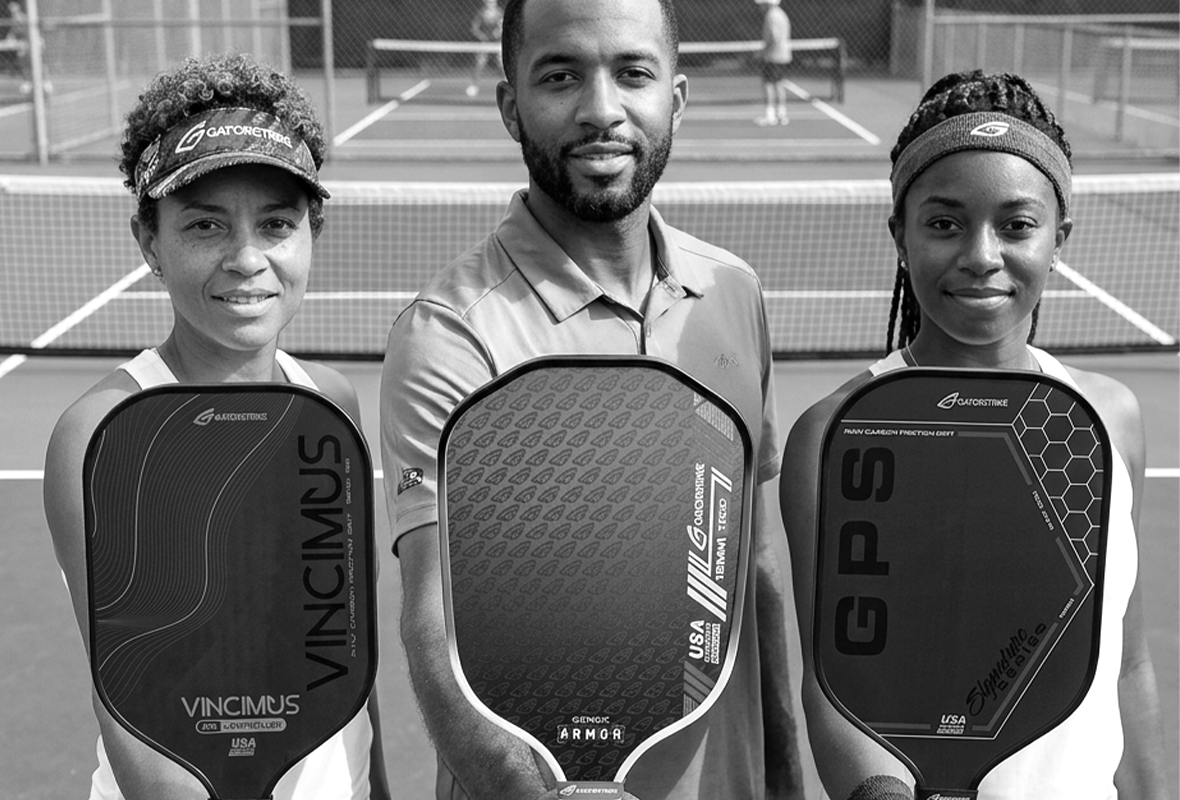
Starting with the right gear makes learning smoother and more enjoyable. While it may be tempting to grab any paddle and jump in, equipment plays a bigger role than most beginners realize.
A balanced paddle with a comfortable grip and moderate weight is ideal for new players. You want something that offers control while still allowing you to generate enough power. Shoes with good lateral support are equally important since pickleball involves quick side-to-side movement.
Avoid going straight for advanced or highly specialized paddles. As a beginner, your priority should be control, consistency, and feel.
Building Proper Fundamentals Early
One of the biggest mistakes beginners make is focusing too much on winning points instead of learning proper technique. Developing good habits early will save you time and frustration later.
Start with your grip. A relaxed, neutral grip allows better control and reduces strain on your wrist. Your stance should be balanced and ready, with knees slightly bent and weight centered.
Practice your serve with consistency in mind rather than power. A reliable serve that lands in play every time is far more valuable than an occasional powerful one.
Groundstrokes should be smooth and controlled. Focus on making clean contact with the ball rather than hitting hard. Consistency is your greatest advantage as a beginner.
Mastering the Soft Game
Pickleball is often described as a game of finesse, and nowhere is that more evident than in the soft game. Learning to control the pace and placement of the ball is what separates improving players from those who plateau.
Dinking, or hitting soft shots into the kitchen, is a fundamental skill. It requires patience, touch, and an understanding of angles. Beginners often avoid it because it feels slow, but it is one of the most important aspects of the game.
Practicing soft shots early helps you develop control and court awareness. It also prepares you for longer rallies and more strategic play.
Positioning and Court Awareness
Good positioning can make up for a lot of technical shortcomings. Many beginners struggle not because of poor shots, but because they are out of position.
After serving or returning, work your way toward the kitchen line. This is the most advantageous position on the court because it allows you to control the rally and react quickly.
Stay aware of your partner if you are playing doubles. Move together, communicate clearly, and avoid leaving gaps that opponents can exploit. Pickleball is as much about teamwork and positioning as it is about individual skill.
Practicing with Purpose
Simply playing games is not the fastest way to improve. Intentional practice is what accelerates progress.
Set aside time to work on specific skills such as serves, returns, and dinks. Drills may not feel as exciting as matches, but they build muscle memory and confidence.
Play with more experienced players when possible. Observing their decision-making and shot selection can provide valuable insights that you might not pick up on your own.
Developing the Right Mindset
Improvement in pickleball comes from patience and consistency. Beginners often get discouraged when progress feels slow, but every session contributes to your growth.
Focus on learning rather than winning. Celebrate small improvements, such as better shot placement or fewer unforced errors. These incremental gains compound over time.
Stay open to feedback and be willing to adjust your approach. The players who improve the fastest are those who embrace learning and remain adaptable.
Avoiding Common Beginner Mistakes
Many beginners fall into similar traps that can slow their development. Being aware of these early can help you avoid them.
Hitting too hard too often is one of the most common issues. Power without control leads to unnecessary errors.
Another mistake is neglecting the kitchen game. Avoiding dinks limits your ability to compete effectively as you progress.
Poor positioning is also a frequent problem. Staying too far back or failing to move as a team in doubles can put you at a disadvantage.
Recognizing these habits and correcting them early sets you apart from the average beginner.
Making the Game Enjoyable
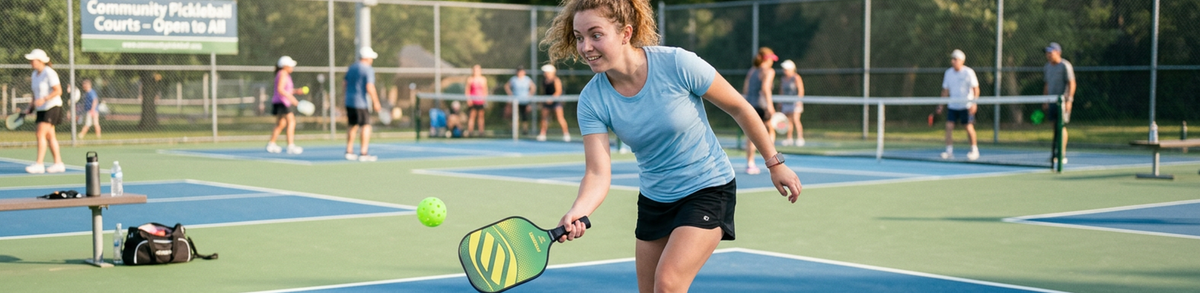
At its core, pickleball is meant to be fun. The social aspect of the game is one of its greatest strengths. Whether you are playing casually or working to improve, enjoying the process keeps you motivated.
Join local games, meet other players, and embrace the community. The more you play, the more comfortable and confident you will become.
Final Thoughts
Starting strong in pickleball is less about natural talent and more about building the right habits from the beginning. By focusing on fundamentals, practicing with intention, and maintaining a positive mindset, you create a solid foundation for long-term growth.
The journey from beginner to confident player is both rewarding and enjoyable. Take your time, stay consistent, and let each game be an opportunity to learn.