Here's a headline that would have sounded absurd five years ago: the Florida High School Athletic Association is actively considering making pickleball an officially sanctioned high school sport. A recent FHSAA survey found that more than 500 schools responded with interest, and roughly 30% of them said they'd want to add it. That's not a fringe curiosity — that's the early paperwork for a real varsity sport.
As a Florida-born paddle company, we're not going to pretend we're neutral on this one. This is exactly the kind of grassroots growth that turns a recreational craze into a permanent fixture of American athletics — and Florida, fittingly, is leading the charge.
Why Scholastic Sanctioning Changes Everything
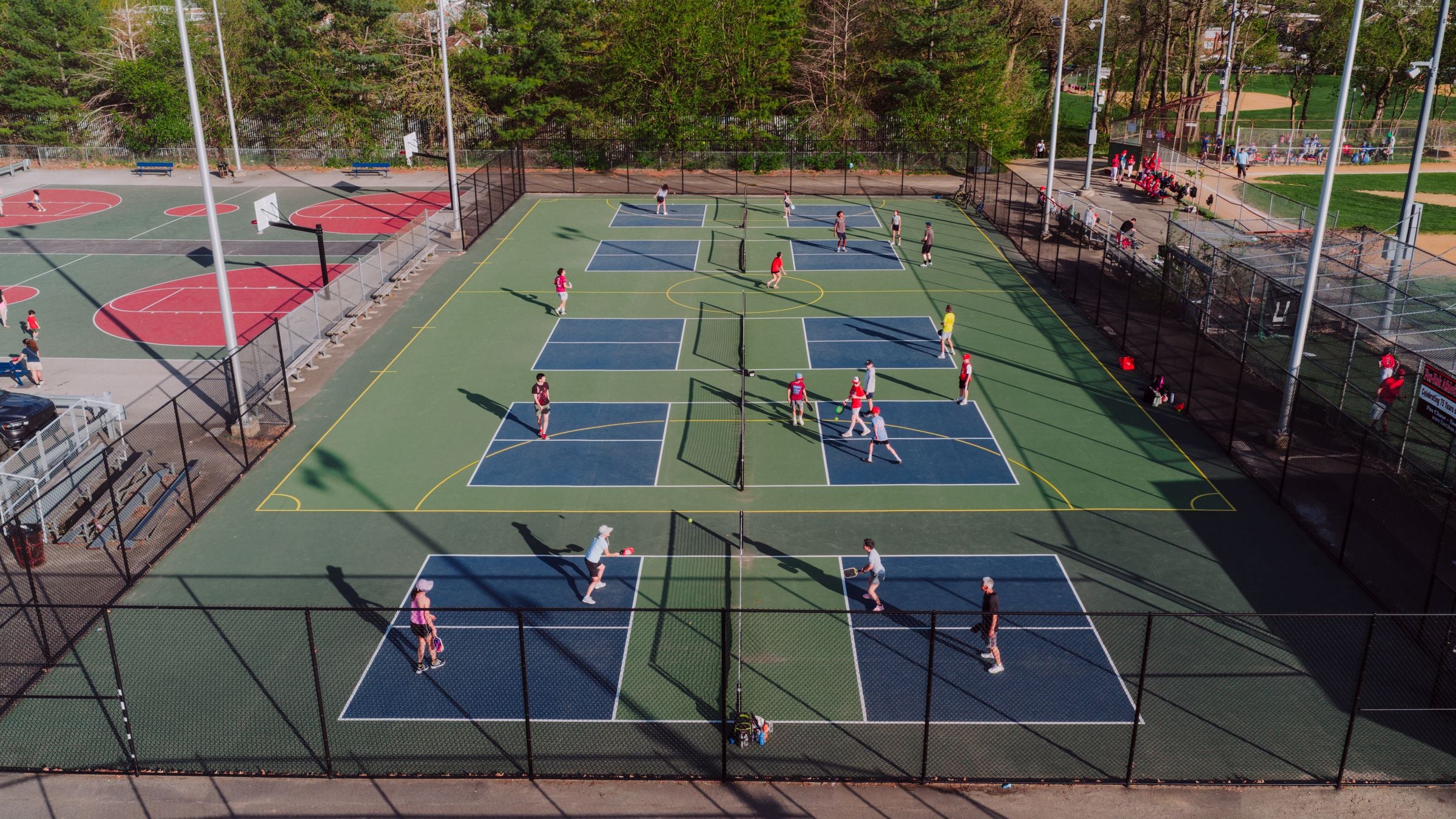
Right now, most junior and teen pickleball happens through clubs, rec leagues, or informal school clubs with no official athletic backing. That's fine for casual participation, but it caps how seriously the sport gets taken at the level where athletic careers actually start. Official FHSAA sanctioning would mean real varsity teams, real coaching staffs, letterman recognition, and — critically — a structured pipeline from high school competition into college programs that are already expanding to meet the demand.
It also means something for the kids who play other sports but have been quietly falling in love with pickleball on the side. A sanctioned sport gets practice time, gets facility priority, and gets taken seriously by athletic directors in a way a club activity never quite does. That's the difference between pickleball being something a student plays and something a student competes in.
Florida Schools Are Ahead of the Curve, But Not Alone
Florida isn't operating in a vacuum here. This survey interest reflects a broader shift happening at the grassroots level nationwide — junior clinics filling up, youth divisions appearing at more tournaments, and a growing base of teenage players who've never known a world where pickleball wasn't mainstream. If FHSAA moves forward with sanctioning, expect other state athletic associations to take a hard look at doing the same. Florida has a track record of setting the pace for scholastic sports trends, and this survey response suggests pickleball is next in line.
What This Means for the Next Wave of Competitive Players
If your kid — or you, if you're a teen reading this — is playing pickleball seriously enough that "varsity" is a realistic goal, the gear conversation changes. Casual, forgiving beginner paddles are great for learning the game, but a student building toward competitive high school or college play needs equipment that can grow with a rapidly improving skill set: more spin for the soft game, more precision for tournament-level rallies, and construction that holds up through daily practice, not just weekend rec sessions.
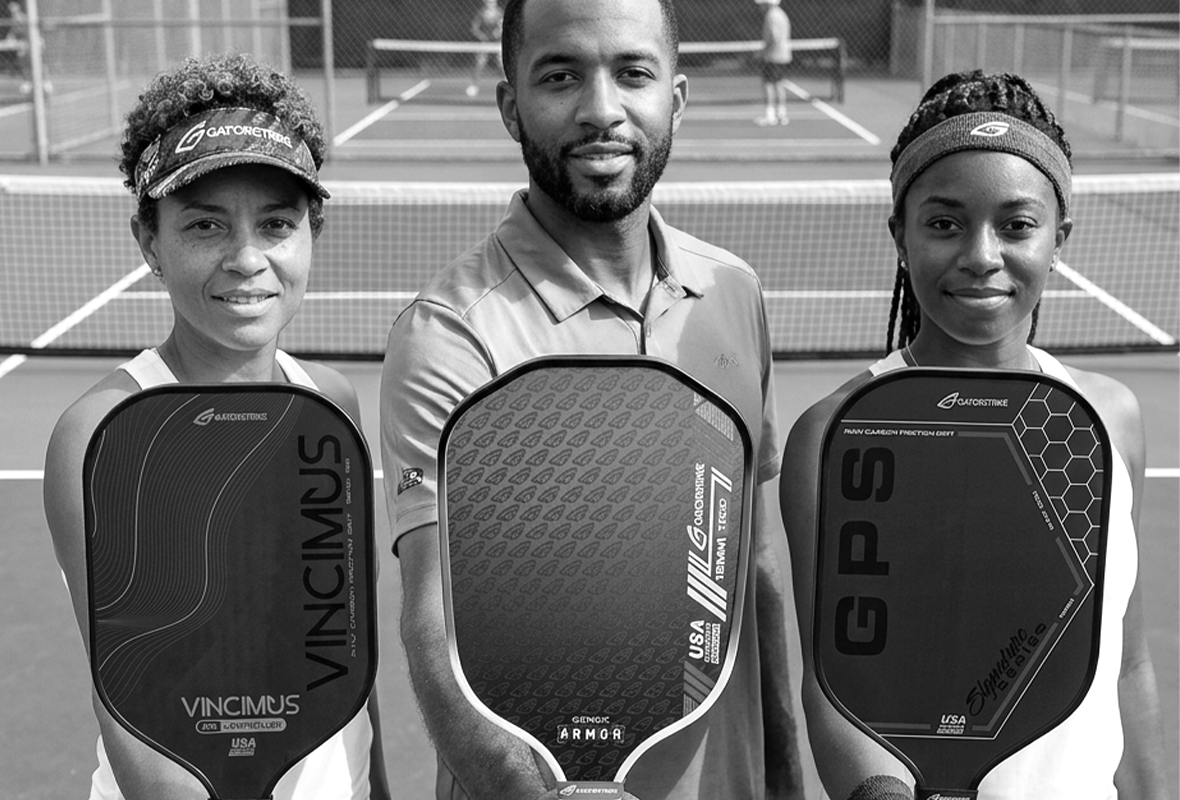
That's the gap the GatorStrike A.R.M.O.R Blackout is built for. It's our best-selling paddle for spin, built with the same TriFextra™ all-foam core technology as our flagship Gen 5X but tuned for players who are actively developing an aggressive, competitive game — exactly the profile of a student-athlete trying to make a varsity roster that might not have existed a year ago. Raw carbon face, USAPA-approved, and backed by our full warranty, so it can take the daily rep count a serious junior program demands.
A Sport Growing Up in Real Time
Whether or not the FHSAA vote lands exactly the way the survey numbers suggest, the direction is unmistakable: pickleball is graduating from "fun family activity" to "sport with a real developmental pipeline." Florida, once again, is where it's happening first.
If you've got a young player on your hands who's ready to compete at that level, check out the A.R.M.O.R Blackout and get them equipped for whatever roster spot is coming next.