Pickleball Blog | Training Tips, Paddle Reviews & Strategies

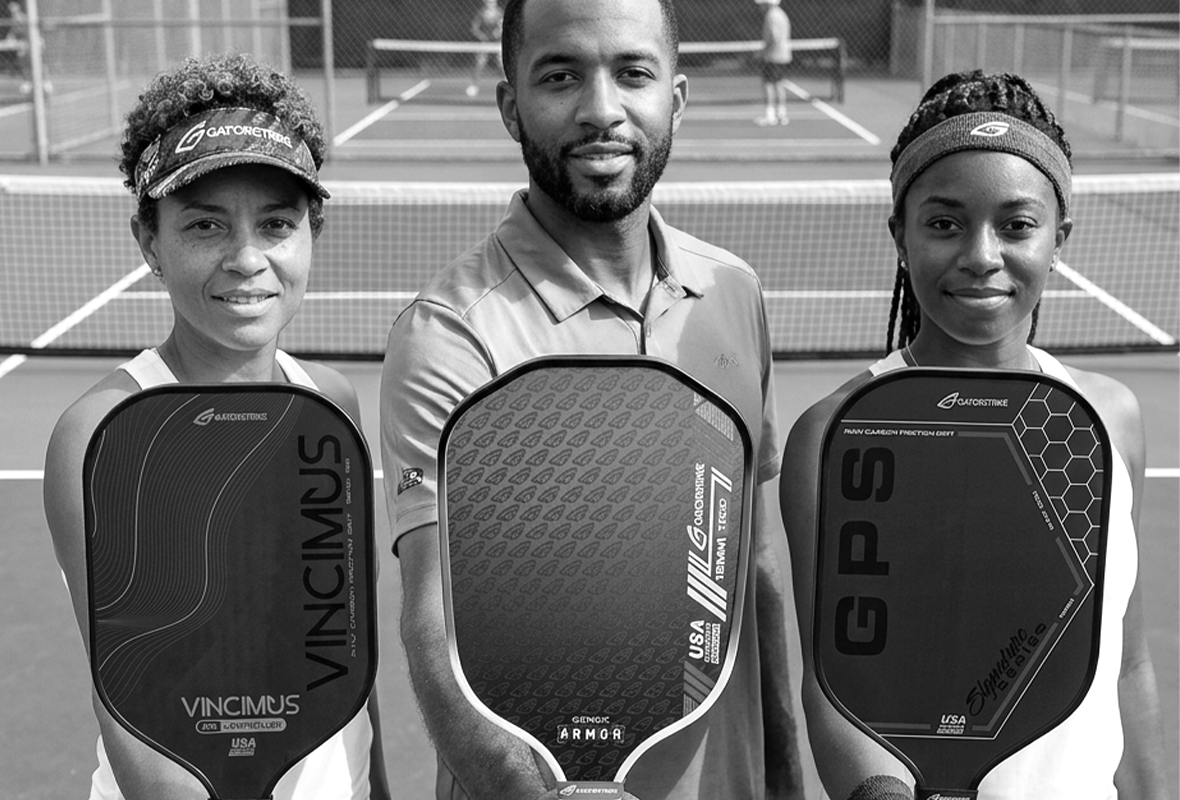
Why Swingweight, Twistweight, and Balance Points Matter—Featuring the GatorStrike Gold Pro Series
In the dynamic world of pickleball, selecting the perfect paddle involves much more than choosing one that simply looks appealing. Understanding crucial performance metrics such as swingweight, twistweight, and balance points can radically enhance your playing experience, unlocking greater power, control, and consistency. Let's dive into why these factors matter and why the GatorStrike Gold Pro Series paddle could revolutionize your game. Swingweight: The Secret to Effortless Power Swingweight measures how heavy your paddle feels when swung, influenced by how the paddle's weight is distributed. Imagine swinging a hammer—it's the same weight whether you hold it by the head or the handle, but its swing feels dramatically different. Likewise, paddles with higher swingweight feel heavier in motion and provide powerful strikes, while lower swingweight paddles feel lighter and excel in swift, agile movements. The GatorStrike Gold Pro Series perfectly balances swingweight, featuring a precision-engineered Raw Carbon Fiber Weave Grit surface that boosts your spin and power. Its mid-weight design offers players an optimal swingweight, ideal for those who crave aggressive play without compromising on maneuverability. Balance Points: Mastering Maneuverability and Power Balance points indicate the distribution of weight across the paddle, helping players assess paddle maneuverability. Typically measured in quarter-inch increments from the paddle's midpoint, paddles with balance points closer to the head (+ points) favor power and stability, ideal for big hitters. Conversely, paddles balanced closer to the handle enhance maneuverability, benefiting players who value quick reflexes and precise control. The GatorStrike Gold Pro Series paddle achieves an exceptional balance, offering players the rare advantage of explosive power combined with deft maneuverability. Its elongated shape and strategic weight distribution mean you can confidently dominate at the net, swiftly handle dinks, and deliver powerful smashes. Twistweight: Enhanced Stability for Off-Center Hits Twistweight, also known as torsional stability, measures a paddle's resistance to rotation upon off-center contact. High twistweight paddles resist twisting, delivering a more stable and forgiving shot—even if the ball is not struck dead-center. Conversely, low twistweight paddles provide agility but are less forgiving. The GatorStrike Gold Pro Series paddle excels in this regard. Featuring a sturdy 10 mm polypropylene honeycomb core with integrated anti-vibration foam, it significantly reduces unwanted paddle rotation, effectively enlarging the sweet spot and ensuring consistently crisp and precise shots, even under pressure. Why Choose GatorStrike Gold Pro Series? Choosing the GatorStrike Gold Pro Series paddle means embracing exceptional materials and unmatched performance. With its Raw Carbon Fiber surface enhancing spin and durability, a perfectly balanced core for power and agility, and high torsional stability ensuring consistency in every hit, this paddle stands out as the ultimate choice for both ambitious enthusiasts and seasoned competitors. When it comes to elevating your pickleball performance, every detail counts. Make the informed decision to harness the advanced performance benefits of swingweight, balance, and twistweight—choose the GatorStrike Gold Pro Series paddle and experience firsthand how professional-quality gear can redefine your game. The GatorStrike Gold Pro Series is now available for purchase at GatorStrike.com.
Learn more
Eco-Friendly Pickleball: Sustainable Gear and Practices for Greener Play
Pickleball, a captivating and swiftly rising sport, has garnered a community deeply passionate about healthy, fun, and inclusive play. As the sport expands, it's essential to reflect on the environmental footprint it creates. Thankfully, sustainability and environmental consciousness are becoming mainstream topics, extending their reach into sports arenas—including pickleball. In this cheerful exploration, we'll highlight sustainable pickleball gear and offer practical, greener methods to reduce the ecological impact of your favorite game. Sustainable Gear: Playing Responsibly 1. Biodegradable Balls Traditional pickleballs are often made from plastics that persist in the environment. Eco-conscious manufacturers now offer balls crafted from biodegradable materials, allowing decomposition without harmful residues. Brands dedicated to sustainability frequently use plant-based polymers, significantly lessening the sport’s environmental footprint. 2. Bamboo and Sustainable Paddles Paddles constructed from bamboo or sustainably harvested wood provide an eco-friendly alternative to conventional composite and graphite paddles. These paddles don't compromise on performance, as bamboo possesses impressive durability, strength, and responsiveness, ensuring you remain competitive and environmentally responsible. 3. Recycled Equipment Bags Consider carrying your gear in bags created from recycled or repurposed materials. Innovative manufacturers turn recycled plastics, fabrics, and even old sports gear into durable, stylish pickleball bags. Supporting such initiatives encourages a circular economy, reducing waste significantly. 4. Eco-Friendly Athletic Apparel Brands dedicated to sustainability now offer apparel made from organic cotton, recycled polyester, or even biodegradable fabrics. These garments not only reduce waste and pollution but also provide superior comfort and breathability—ideal for energetic pickleball matches. Sustainable Practices: Greening Your Game 1. Carpooling to Courts Reduce carbon emissions by organizing carpools or opting for eco-friendly transportation options like cycling or public transport to reach the pickleball courts. This communal effort not only conserves fuel but also fosters deeper friendships and camaraderie within your playing group. 2. Environmentally Conscious Events If you're organizing or attending pickleball tournaments or community gatherings, advocate for sustainability. Simple practices include using reusable water bottles, encouraging recycling, and choosing vendors who support environmentally responsible initiatives. 3. Court Maintenance and Care Opt for environmentally friendly court maintenance. Sustainable court surfaces and maintenance products with reduced environmental impacts are becoming widely available. Prioritizing eco-friendly upkeep helps reduce chemical runoff and preserves local ecosystems. 4. Repurpose and Recycle Gear Avoid tossing out worn gear prematurely. Consider donating used equipment to youth programs, schools, or community centers. Additionally, creatively repurpose damaged paddles or balls for DIY craft projects or practical household uses, minimizing unnecessary waste. Embracing a Greener Pickleball Community Embracing sustainability within pickleball enhances the game's appeal while positively influencing broader environmental awareness. Adopting eco-friendly gear and practices doesn't just make you a conscientious player—it contributes to the health of our planet. Ultimately, every small step toward sustainable pickleball practices accumulates significant positive environmental outcomes. So, let's collectively serve sustainability, rally our environmental responsibility, and score big for our planet's future!
Learn more
Pickleball for the Mind: How the Sport Boosts Mental Health and Focus
Pickleball might be the darling of backyard barbecues and rec-center rallies, but did you know it’s also a secret weapon for mental clarity, emotional resilience, and cognitive rejuvenation? That’s right—the swift-paced, joy-inducing rally sport is quietly emerging as a mental health marvel. Whether you’re swinging for stress relief or looking to sharpen your attention span, pickleball is serving up more than just fun. Let’s dive paddle-first into the uplifting world of pickleball psychology—where feel-good endorphins meet tactical finesse. 1. The Neurochemistry of Joy: Pickleball as a Mood Elevator Exercise is well-known for triggering a flood of endorphins, dopamine, and serotonin—brain chemicals that contribute to feelings of happiness and reduced anxiety. But pickleball’s unique cocktail of social interaction, strategic play, and aerobic movement creates an exceptional trifecta for neurochemical nirvana. Short bursts of play (like in pickleball) are linked to faster endorphin release. The rhythmic nature of rallies soothes the nervous system, akin to meditation in motion. Smiling, laughing, and fist-bumping teammates generates oxytocin, the “bonding hormone,” which acts as an emotional stabilizer. In short: every dink and drop shot isn’t just a game—it’s a brain spa. 2. Mindful Momentum: The Focus-Enhancing Power of Play Pickleball demands an exquisite balance between reaction time and deliberate planning. From anticipating an opponent’s lob to calculating the perfect kitchen-line return, players are constantly flipping between instinctive action and tactical foresight. This kind of dynamic cognition enhances: Executive functioning (decision-making, problem-solving) Sensory processing (tracking ball spin and paddle contact) Situational awareness (spatial reasoning on the court) According to cognitive neuroscientists, engaging in such dual-processing tasks helps reduce cognitive decline and improves sustained attention—a perk that’s particularly valuable in today’s digital-distraction era. 3. Stress Less, Paddle More: Pickleball as a Mental Reset Feeling overwhelmed? The rhythmic bounce of a pickleball offers an oddly comforting sense of predictability, helping players regulate anxious thoughts. Combine that with the outdoor setting (hello, Vitamin D!) and communal vibe, and you’ve got a recipe for reducing stress hormone levels like cortisol. Notable benefits include: Lowered heart rate variability (HRV) associated with stress Improved sleep quality due to post-game fatigue and emotional decompression Enhanced mood stability and lower rates of depression Whether you're volleying in the sunshine or just enjoying courtside banter, the ritual of play becomes a grounding force—a mindful moment in an otherwise chaotic world. 4. Social Synapses: Connection Is the Ultimate Antidepressant Loneliness can erode mental wellness faster than we think. Fortunately, pickleball fosters a sense of tribe, complete with inside jokes, shared victories, and mutual encouragement. It offers all the warmth of a tight-knit community without the pressure of performance perfection. From club tournaments to beginner meetups, every serve and rally is a chance to connect—no small thing in an era of emotional disconnection. In fact, studies show that people who engage in regular social physical activity report: Higher life satisfaction Better emotional regulation Decreased feelings of isolation And unlike more solitary sports, pickleball thrives on collaboration and camaraderie, making it the sport of choice for mental health enthusiasts. 5. Rallying Against Burnout: Pickleball in the Workplace and Beyond It’s no surprise that some forward-thinking workplaces are now integrating pickleball into wellness initiatives. From startup campuses to co-working retreats, the game is being championed as a burnout antidote—a refreshing departure from the treadmill of productivity. Benefits for professionals include: Improved focus and mental stamina Enhanced creativity through movement-based thinking Team building with a dopamine-fueled twist A quick midday match might just replace your afternoon espresso—and do your brain a whole lot of good in the process. Conclusion: The Paddle Path to Peace of Mind Pickleball isn’t just an outlet for physical fitness—it’s a dynamic, dopamine-driven discipline that’s reshaping how we think about mental health. It fuses joy with challenge, solitude with connection, and physicality with mindfulness. Whether you're a weekend warrior or a weekday wind-downer, stepping onto the pickleball court might just be the best therapy session you never scheduled. So grab your paddle, lace up your court shoes, and get ready to rally your way to a clearer mind and a brighter mood—one dink at a time.
Learn more
Rallying Young Talent: How Pickleball Fuels Youth Growth and Confidence
In an age dominated by screens and short attention spans, parents and educators are on a mission to find activities that truly engage the minds and bodies of young people. Enter pickleball—a fast-growing paddle sport that’s winning over kids and teens across the globe. But pickleball is more than just a recreational pastime. It’s a kinetic classroom that cultivates personal development, physical literacy, and self-belief. Let’s explore how this dynamic sport is shaping the next generation—on and off the court. 1. Accessible for All Ages and Abilities One of pickleball’s most powerful traits is its low entry barrier. With a smaller court, slower ball speed (compared to tennis), and lightweight paddles, kids of nearly any age can start playing within minutes. Whether a child is naturally athletic or brand new to sports, pickleball offers an inclusive, welcoming environment. What that means in practice: Early success builds confidence fast. Mixed-age play fosters mentorship and peer encouragement. Adaptability ensures kids of all abilities can join the fun. In short, pickleball meets kids where they are—and helps them rise. 2. Building Physical Intelligence Through Play In the realm of youth development, physical intelligence is often overlooked. It’s the mind-body connection that governs balance, coordination, reaction time, and spatial awareness. Pickleball sharpens these skills organically through play: Footwork drills improve agility and control. Paddle-hand coordination strengthens motor skills. Split-second decisions enhance cognitive flexibility. This blend of physical activity and mental stimulation makes pickleball a neuromuscular playground—where kids grow stronger, sharper, and more self-aware with each rally. 3. Confidence Through Challenge Nothing empowers a young athlete quite like progress they can feel. The learning curve in pickleball is both approachable and rewarding. As young players master serving, dinking, or volleying, they begin to internalize a powerful belief: “I can do hard things.” Add in the thrill of rallies, friendly competition, and team play, and you've got a sport that naturally boosts: Self-esteem through visible improvement Resilience through win/loss experiences Leadership through doubles communication and strategy Over time, these on-court challenges translate to off-court confidence—whether in school presentations, new friendships, or personal goals. 4. Social Dynamics That Encourage Positive Growth Pickleball is a social catalyst, especially for kids who may be shy or struggle to find their niche. Unlike traditional team sports that often separate players by age or skill, pickleball promotes: Intergenerational connection – Kids often play with parents, grandparents, or adult mentors. Peer collaboration – Doubles play encourages communication and sportsmanship. Community inclusion – Local pickleball clubs and junior clinics provide safe, positive environments for social growth. These social interactions not only build character, but also help kids practice empathy, teamwork, and emotional regulation—crucial life skills in today’s world. 5. A Lifelong Foundation for Wellness Perhaps the most underrated benefit of youth pickleball? It’s a springboard for lifelong fitness habits. Because the game is fun, fast-paced, and easy to return to, kids who start early often keep playing into adulthood. From a developmental standpoint, this sets the stage for: Heart-healthy exercise Stress relief through movement Sustained interest in active living By making fitness enjoyable, pickleball plants the seeds of health early—without the pressure or burnout that sometimes accompanies youth sports. Final Rally: Why Pickleball Is a Youth Game-Changer Pickleball isn’t just a trend—it’s a transformational tool for youth development. It teaches movement, confidence, communication, and courage—all through a game kids love to play. Whether your child dreams of becoming a pro or simply wants to have fun while growing stronger, smarter, and more self-assured, pickleball is a perfect match.
Learn more
Unlocking the Sweet Spot: The Science Behind Superior Paddle Control
In the exhilarating world of pickleball, victory is often determined not by brute strength, but by precision. The elusive “sweet spot” on your paddle is the gateway to unmatched control, spin, and accuracy. But what exactly is the sweet spot? And more importantly, how can you find it, feel it, and finesse it into your everyday play? Let’s break down the science behind superior paddle control, so you can start striking smarter—not just harder. What Is the “Sweet Spot”? The sweet spot is a localized zone on the paddle face where impact energy is most efficiently transferred to the ball. Hitting the ball in this optimal region minimizes vibration, maximizes feedback, and delivers the cleanest, most controlled shot possible. In other words, it's where physics and finesse collide. There are actually three distinct sweet spots recognized in sports science: Center of Percussion (COP) – Where you feel the least vibration in your hand. Node of Vibration – Where the paddle flexes the least during impact. Maximum Coefficient of Restitution (COR) – Where the ball rebounds with the most velocity. In many premium paddles, these three spots overlap closely, forming a high-performance strike zone—your true sweet spot. Why the Sweet Spot Matters Striking the ball in the sweet spot is like hitting a piano key at just the right angle—it sings. Here’s what happens when you consistently connect: Enhanced shot accuracyWith less unpredictable deflection and cleaner contact, your directional control improves dramatically. Reduced energy lossLess vibration equals less fatigue. That means longer rallies and stronger finishes. Amplified spin potentialHitting in the sweet spot allows the paddle’s surface texture and core response to work in harmony, optimizing your topspin or slice. Paddle Design: The Secret Behind Sweet Spot Performance Not all paddles are created equal. The size, shape, and materials of your paddle directly influence the size and responsiveness of the sweet spot. Here’s what to look for: Core CompositionPolypropylene honeycomb cores often provide a larger, more forgiving sweet spot, while nomex or aluminum cores create a punchier feel with a more focused zone. Face MaterialTextured carbon fiber or fiberglass faces offer exceptional grip on the ball, allowing better dwell time—an essential ingredient for sweet spot control. Shape & BalanceElongated paddles may have a higher sweet spot, ideal for reach and spin shots. A wider body offers more surface area, giving newer players a broader margin for error. Training Your Feel for the Sweet Spot Even with the best gear, your body needs to learn the feel of perfect contact. Here are three drills to help build that intuitive connection: Slow-Motion Wall RalliesPractice dinking against a wall in slow motion. Focus on crisp, centered contact. Your hand will begin to recognize the vibration feedback. Auditory AwarenessListen to the sound of each strike. Hits in the sweet spot produce a clean "pop" versus the dull thud of off-center contact. Shadow Swings with IntentSwing without a ball, visualizing contact with the sweet spot. Over time, muscle memory kicks in—your paddle starts “finding” the zone naturally. Final Thoughts Unlocking the sweet spot isn’t just about mechanics—it’s about mindfulness, repetition, and the right equipment. Whether you're a weekend warrior or chasing DUPR points, dialing into that optimal contact zone transforms your game from reactive to intentional. So next time you step on the court, listen for the "pop," feel the reduced vibration, and trust your gear. Because with the sweet spot in your swing, every shot feels like magic.
Learn more
Inside the Pickleball Boom: The Entrepreneurs Fueling Its Growth
Once a quirky backyard game with a funny name, pickleball has volleyed its way into mainstream culture—and it’s not slowing down. With explosive growth across the U.S. and beyond, this hybrid of tennis, badminton, and ping-pong has captured the hearts (and paddles) of millions. But behind the curtain of courts and clinics is a buzzing ecosystem of entrepreneurs who are shaping the sport’s meteoric rise. From gear innovators to tech-savvy tournament organizers, a new generation of business minds is capitalizing on pickleball’s popularity while enriching the player experience. Let’s step into the heart of the pickleball boom and meet the visionaries serving up the sport’s future. 1. The Equipment Evolutionaries: Paddles, Balls, and Innovation Pickleball entrepreneurs are taking the paddle game to an entirely new stratum. Gone are the days of clunky wooden paddles—today’s gear is all about aerospace-grade materials, ergonomic design, and pro-level performance. Notable Innovations: T700/T800 carbon fiber paddles offering lightweight strength and surgical precision. Polymer core engineering that delivers the perfect blend of control and power. Smart paddles with embedded sensors that track swing speed, sweet spot hits, and impact data. Startups and boutique brands are stepping in where legacy sports companies lag, disrupting the gear market with fresh aesthetics, performance upgrades, and customization options for every style of play. 🎾 Game-Changer Insight: Much like sneaker culture in basketball, paddle design is becoming a status symbol in the pickleball community. 2. Court Builders and Space Converters With demand for court space skyrocketing, entrepreneurs are transforming underutilized spaces—parking lots, warehouses, abandoned malls—into thriving pickleball hubs. These new venues offer more than just a place to play; they’re designed for community, convenience, and culture. Trends in Facility Development: Indoor pickleball lounges with food, drinks, and social areas. Multi-purpose fitness complexes integrating pickleball with yoga, spin, and recovery rooms. Pop-up courts at festivals, beaches, and urban rooftops. These visionaries are addressing one of the sport’s biggest challenges—access—while turning real estate into rally-ready destinations. 🏗️ Pro Perspective: Where there’s a flat surface, there’s an entrepreneur envisioning a net. 3. The Digital Trailblazers: Apps, Streaming, and Social Play From tournament software to player matchmaking apps, digital pioneers are giving pickleball a technological edge. Think Tinder for doubles partners or fantasy sports for pickleball leagues—it’s all in development. Tech Trends Driving Growth: Live-streaming platforms broadcasting professional and amateur matches globally. Rating systems like DUPR that give recreational players a way to measure progress. Pickleball-specific social apps that connect players for games, lessons, and events. In a world where digital engagement fuels community, these tools are helping pickleball maintain its momentum and reach new demographics. 📱 Tech Tidbit: The rise of micro-content (like 60-second pickleball highlights on social media) is drawing in younger fans, expanding the sport’s appeal. 4. Fashion, Lifestyle & Brand Storytelling Entrepreneurs in the lifestyle space are turning pickleball from a pastime into a full-blown culture. Apparel brands are blending functionality with flair, offering moisture-wicking fabrics, retro aesthetics, and fashion-forward court wear that appeals to both seasoned players and style-conscious newcomers. Emerging Lifestyle Categories: Pickleball-themed streetwear and accessories. Branded hydration gear, paddle bags, and footwear tailored for the sport. Podcast networks and content creators sharing training tips, match breakdowns, and community stories. 🔥 Hot Take: The best brands are telling compelling stories—not just selling gear. It’s about identity, belonging, and self-expression through sport. 5. Coaches, Creators, and Community Builders Whether they’re launching clinics, YouTube channels, or nationwide tour stops, pickleball’s educators and influencers are carving out profitable niches. Their mix of passion, performance, and personality is turning followers into loyal customers. Business Models Gaining Traction: Subscription-based coaching platforms with drills, fitness programs, and game theory. Influencer-led merchandise and affiliate gear lines. Retreats and camps offering destination training experiences. 💡 Lesson Learned: In a sport built on connection and fun, authenticity wins. The entrepreneurs who lead with value and vision are building audiences that stick. Conclusion: The Paddle-Powered Future Is Entrepreneurial Pickleball is more than a sport—it’s a movement, a marketplace, and a momentum-driven phenomenon. As demand continues to swell, the entrepreneurs who combine creativity, agility, and community-mindedness will be the architects of its next chapter. From garage startups to seven-figure investments, these pioneers aren’t just riding the wave—they're paddling full speed into uncharted opportunity. So the next time you step onto the court, remember: behind every dink, drive, and drop shot is a whole universe of innovators working to elevate the game you love.
Learn more
Why Your Heart Loves Pickleball: A Fun Way to Stay Fit at Any Age
What’s got retirees, teenagers, and fitness buffs all rallying around the same net? It's not just a trend—it’s pickleball, the hybrid sport that’s capturing hearts and getting them beating stronger. Pickleball has become a beacon of fun-infused fitness across generations, combining light-hearted competition with serious cardiovascular benefits. Whether you're 15 or 75, this sport offers a heart-healthy workout that doesn’t feel like a workout. Let’s explore why your ticker thrives every time you step onto the court. 1. Cardio with a Smile: Elevating Your Heart Rate, Joyfully Forget treadmills and stationary bikes—pickleball keeps your heart pumping through rallies, footwork, and short bursts of speed, all while you're too busy having fun to notice you’re exercising. Cardiovascular Perks Include: Improved Circulation: Repeated movement boosts blood flow, enhancing oxygen delivery throughout the body. Lower Resting Heart Rate: Consistent play can strengthen your heart muscle, allowing it to pump more efficiently. Reduced Risk of Heart Disease: Active play helps regulate blood pressure and cholesterol levels—key indicators of cardiac health. 🎾 Cheerful Reality: When you’re chasing down a dink or lunging for a volley, you’re giving your heart a workout disguised as playtime. 2. Low-Impact, High-Benefit Movement Pickleball offers a unique balance: it’s energetic without being jarring. The smaller court, lighter paddle, and slower ball speed reduce the risk of joint strain, making it ideal for players with knee, hip, or back sensitivities. Why This Matters for All Ages: Gentler on Joints: Especially for seniors, pickleball’s fluid motions mean movement without the grind. Adaptable Intensity: You control the pace—whether you're out for a breezy rally or a sweat-soaked showdown. 💡 Insight Nugget: Studies have shown that playing pickleball for just 30 minutes a few times a week can significantly improve mobility and cardiovascular endurance—without the pounding of high-impact sports. 3. Heart Health Isn’t Just Physical—It’s Emotional Too Your emotional heart loves pickleball just as much as your physical one. Social connections, mental stimulation, and sheer fun all contribute to a happier, healthier you. Emotional and Psychological Boosts: Endorphin Rush: Laughter and friendly competition release feel-good hormones. Stress Reduction: Focused play helps you unplug from daily worries. Community Connection: Whether it’s doubles or round robins, pickleball brings people together, reducing feelings of isolation. 🧠 Brain Bonus: The strategic thinking and quick decision-making in pickleball support cognitive health—another win for your overall well-being. 4. Ageless Appeal: From Youthful Energy to Golden-Year Grace Pickleball’s charm lies in its inclusivity. It’s a rare gem in the world of sports—a game where generations collide in camaraderie and competition. For Younger Players: Builds agility, stamina, and reflexes. Introduces lifelong habits of movement and fitness. For Older Adults: Enhances balance and coordination (key to fall prevention). Supports bone density and muscle tone in a safe format. 👟 Universal Truth: Whether you’re rocking sneakers or orthopedic inserts, pickleball keeps you moving, laughing, and thriving. 5. Consistency = Longevity The best exercise is the one you’ll actually stick with. Pickleball is addictive in the best way—once you start, you’ll want to keep coming back. That consistency is gold when it comes to long-term cardiovascular and whole-body health. Why You’ll Stick With It: It’s social, making it feel less like exercise. Games are short and flexible—perfect for busy schedules. Skill progression is motivating, keeping players engaged. 🔁 Longevity Loop: The more you play, the healthier you feel. The healthier you feel, the more you want to play. And around it goes! Conclusion: Paddle Your Way to a Healthier Heart Pickleball isn’t just a passing fad—it’s a joyful revolution in movement. With every serve, dink, and volley, you're gifting your heart the rhythm it loves. It's cardiovascular conditioning served with a slice of community, sprinkled with laughter, and finished with a flourish of finesse. So whether you’re starting your fitness journey, rekindling your athletic spark, or simply looking for a way to move and connect—pickleball is your heart’s new best friend. ❤️ Get out there. Grab a paddle. And let your heart rally.
Learn more
Train Like a Pro: What Amateur Players Can Learn from the Best Pickleball Matches
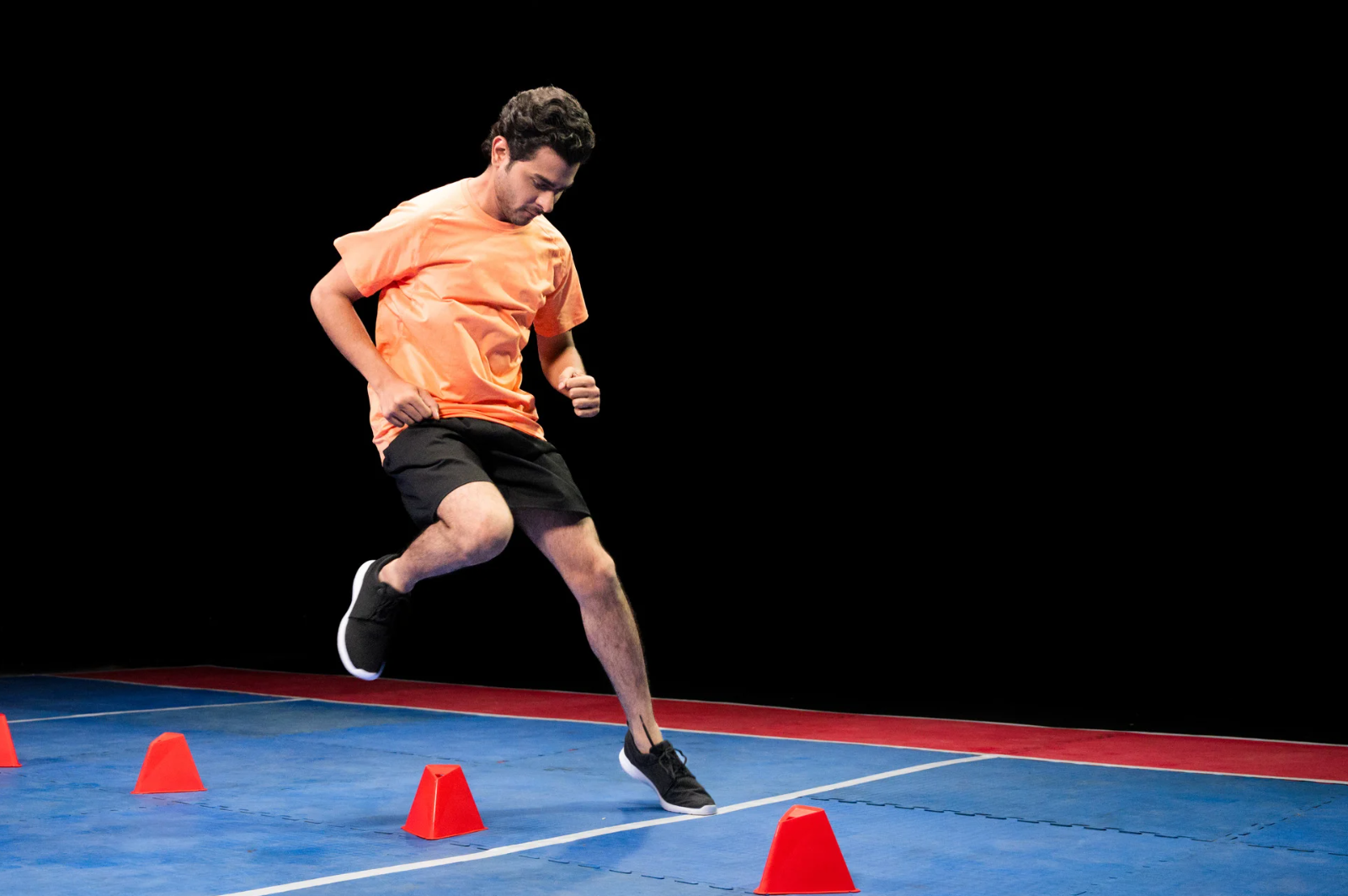
Pickleball may have a casual reputation, but step onto a professional court and you’ll witness an entirely different beast—precision footwork, strategic foresight, and seemingly effortless execution. For amateur players striving to level up, watching pro matches isn’t just entertaining—it’s educational gold. From split-second decision-making to nuanced paddle control, professional play offers a treasure trove of actionable insights. The trick is knowing what to look for and how to apply it to your own training routine. Let’s unpack the subtle brilliance of the pros—and how you can emulate their methods to supercharge your pickleball journey. 1. The Art of Court Positioning: Master the “T” One of the most consistent habits of pro players? Flawless court positioning. Top-tier athletes know exactly where to stand during each phase of play to maximize reach and minimize vulnerability. Key Takeaways for Amateurs: Own the Kitchen Line: Pros rush the non-volley zone as quickly and efficiently as possible, dictating tempo and angle control. Reset in Neutral Zones: After wide-angle shots, they recover back to the center to maintain balance. Use Split-Steps: Notice how elite players subtly hop before their opponent hits? This allows quicker directional shifts—add it to your toolbox! 🧠 Pro Tip: Record your matches and map your movement patterns. Are you floating in no man’s land or dominating strategic zones? 2. Dinking with Intention: Not Just a Soft Shot At first glance, the dink looks like a mere defensive tactic. But pros treat it as an offensive orchestration. The dink game is about forcing errors, opening angles, and setting up the putaway. What You Can Practice: Vary Placement: Aim at feet, corners, or stretch zones to disrupt rhythm. Disguise Direction: Use subtle wrist shifts to keep opponents guessing. Outlast, Outthink: High-level rallies often involve 10+ patient dinks—work on endurance and consistency. 🧠 Pro Tip: Watch slow-motion replays of pro dink battles. Focus on body movement, not just the ball. 3. Anticipation Over Reaction: Think One Shot Ahead Top players don't just react—they forecast. By reading paddle angles, body orientation, and opponent tendencies, they prepare before the ball is struck. To Develop Anticipation: Study Opponent Habits: Pros pick up on patterns—does your opponent always go crosscourt under pressure? Improve Visual Cues: Track the paddle face and body lean to predict shot direction. Practice Drills That Mimic Chaos: Randomized feeding drills can train your brain to respond under pressure. 🧠 Pro Tip: During casual matches, challenge yourself to “call” where the opponent will hit before they do. You’ll sharpen your anticipatory instincts fast. 4. Footwork Fluidity: The Silent Strength If strokes are the melody, footwork is the rhythm. Professional players glide—no wasted motion, no off-balance chaos. Their steps are compact, efficient, and deliberate. Train Like the Best: Lateral Shuffle Drills: Build agility at the kitchen. Diagonal Crossover Movements: Emulate baseline-to-net transitions. Balance Workouts: Bosu ball or single-leg exercises develop the core stability of pros. 🧠 Pro Tip: Analyze pro footwork on returns—they’re not flat-footed; they “dance” into position, always ready to pounce. 5. Tactical Timeouts: Mental Mastery in Action Professional players use timeouts with surgical precision—not just to catch their breath but to reset mentally, shift momentum, or break an opponent’s streak. Adopt the Mental Game: Create Mental Routines: Deep breaths, paddle taps, or visual resets can refocus your brain mid-game. Control the Tempo: Don’t rush into the next serve—own your pace. Self-Coaching: After each point, reflect—what worked? What needs adjusting? 🧠 Pro Tip: Watch how pros handle losing streaks. Their emotional poise is often what turns the tide. 6. Shot Selection Discipline: Less Is More It’s tempting to go for the highlight reel winner—but pros win by playing percentage pickleball. They minimize unforced errors and wait for the right opportunity. Sharpen Your Shot IQ: High Ball? Smash It. Low Ball? Reset It. On the Run? Go Safe. Study how professionals mix shot height, spin, and pace with discipline. They're not flashy every rally—they’re strategic. 🧠 Pro Tip: Chart your unforced errors after each match. Most amateurs lose not because they’re outplayed—but because they self-destruct. Conclusion: Emulate the Elite, Elevate Your Game The secret to accelerating your growth in pickleball? Observe. Absorb. Apply. Professional matches are more than entertainment—they’re masterclasses in execution. If you can train with purpose, mimic elite habits, and refine your approach with consistency, you’ll find your own game transforming from recreational to razor-sharp. So the next time you stream a championship match, don’t just watch—study. The blueprint for your next level is already unfolding on the screen. 🎾 Train smart. Think sharp. Play like a pro.
Learn more
Mastering Your Paddle’s Sweet Spot: The Key to Effortless Pickleball Power
Introduction: Precision Over Power In the fast-paced world of pickleball, raw strength will only take you so far. True dominance on the court stems from finesse, timing, and—most crucially—harnessing your paddle’s sweet spot. This elusive zone holds the secret to generating controlled power, impeccable placement, and that satisfying “pop” players crave. But what exactly is the sweet spot, and how can you train yourself to use it consistently? Whether you're a weekend warrior or a competitive contender, understanding and mastering this tiny piece of paddle real estate could be your biggest advantage yet. What Is the Sweet Spot? At its core, the sweet spot is the optimal zone on your paddle’s face where energy transfer between paddle and ball is most efficient. Striking the ball here minimizes vibration, reduces hand and wrist torque, and results in a cleaner, more powerful shot—without extra effort. From a biomechanical standpoint, the sweet spot is a trifecta of three scientifically recognized points: Center of Percussion (COP): Where impact feels most stable in your hand. Node of Vibration: Where disruptive vibrations are least felt. Maximum Coefficient of Restitution (COR): Where the paddle delivers the highest rebound energy. When you find the intersection of these sweet points, you’ve tapped into the golden zone. Why It Matters: The Sweet Spot Advantage Hitting the sweet spot isn’t just about a nicer feel—it’s a game-changer. Here's what you unlock when you dial into it: Effortless Power: Generate speed and depth with less muscle exertion. Pinpoint Accuracy: Cleaner shots equal more reliable placement. Injury Prevention: Reduced shock and paddle twist lowers stress on joints. Confidence Boost: The tactile feedback from a perfectly struck shot reinforces positive muscle memory. For players chasing efficiency and elegance, mastering this zone is non-negotiable. Paddle Construction & Sweet Spot Size Not all paddles are crafted equally. Paddle design directly affects the size and responsiveness of the sweet spot. Factors that influence sweet spot characteristics include: Core Material Polymer Honeycomb: Cushioned feel, larger sweet spot. Nomex: Crisp response, smaller and hotter sweet spot. Aluminum: Lightweight, with limited vibration dampening. Surface Material Carbon Fiber: Enhanced feel and control. Fiberglass: More power, slightly smaller sweet spot. Textured/Spin Surfaces: Better grip on the ball but can subtly shift optimal impact zones. Paddle Shape Wide-Body: Maximized surface area and sweet spot. Elongated: Higher placement of sweet spot, better for aggressive baseline players. Standard/Hybrid Shapes: A blend of balance and touch. Your gear should complement your swing mechanics, not fight against them. Finding Your Paddle’s Sweet Spot Want to locate the golden zone on your own paddle? Try these methods: Bounce Test: Drop a pickleball lightly across the paddle face and listen for a crisp, lively tone. The “poppy” spot is your sweet spot. Feel Test: Practice dinks and drives—note when a strike feels smooth and vibration-free. Twist Response: Hit the ball slightly off-center and feel how much the paddle wobbles. Less twist means closer to the sweet spot. Sound & Feedback: Over time, you’ll begin to recognize the unique sound and feel of optimal contact. Once discovered, you’ll never want to hit outside it again. Training to Consistently Hit the Sweet Spot The sweet spot is a blend of precision and muscle memory. Here's how to sharpen your consistency: Wall Dinks: Repetition builds familiarity with where your paddle naturally makes best contact. Controlled Rallies: Slow-paced drills allow you to hone your timing and paddle face alignment. Footwork Fundamentals: Proper positioning is critical to set up clean strikes. Video Analysis: Record your sessions and identify impact zones visually. Sweet Spot Tape: Use paddle stickers to visually target and train muscle memory. Like a musical instrument, your paddle responds best when played with control and rhythm—not brute force. Common Mistakes That Sabotage Sweet Spot Success Even skilled players occasionally misfire. Here are some culprits that push you off target: Overgripping: A death grip limits paddle feedback and disrupts fluid mechanics. Late Preparation: Rushed swings increase the likelihood of off-center hits. Improper Stance: Poor footwork can misalign your paddle’s face to the ball. Swinging Too Hard: Overhitting can reduce your precision and timing. The remedy? Train smart, stay centered, and prioritize form over fury. Conclusion: Precision Unlocks Power Power in pickleball doesn’t come from swinging harder—it comes from striking smarter. The paddle’s sweet spot is the bridge between human skill and equipment efficiency. When you master this zone, you reduce effort, increase accuracy, and elevate your entire game. So the next time you step on the court, listen to your paddle, feel the feedback, and trust the zone. The sweet spot isn’t just a place—it’s a state of play.
Learn more