Pickleball Blog | Training Tips, Paddle Reviews & Strategies

Pickleball for Cardiovascular Health: Why the Sport Is a Great Workout
Pickleball is more than just a fun pastime—it’s a fantastic cardiovascular workout that can improve heart health, increase stamina, and enhance overall well-being. Whether you're a seasoned athlete or just starting your fitness journey, pickleball offers a dynamic and engaging way to get your heart pumping without the monotony of traditional workouts. This article explores the cardiovascular benefits of pickleball, how it compares to other forms of exercise, and why it’s an excellent sport for people of all ages. The Cardiovascular Benefits of Pickleball 1. Increases Heart Rate for Optimal Conditioning Pickleball is a fast-paced game that requires quick movements, lateral shuffling, and bursts of sprinting—all of which elevate the heart rate into the aerobic zone. Studies show that engaging in aerobic activities like pickleball helps strengthen the heart muscle, improve circulation, and lower the risk of heart disease. A typical pickleball game can keep your heart rate in the moderate-to-vigorous intensity range, which is ideal for cardiovascular conditioning. Players can burn between 300 to 600 calories per hour, depending on intensity, making it a highly effective workout. 2. Enhances Endurance and Stamina Unlike high-impact sports that can lead to quick fatigue, pickleball provides a balanced mix of intense rallies and brief recovery periods, allowing players to sustain longer sessions. This type of interval-style exercise improves endurance over time, helping players maintain energy levels for prolonged physical activity. 3. Boosts Circulation and Lowers Blood Pressure Consistent cardiovascular exercise helps reduce high blood pressure by improving blood vessel flexibility and circulation efficiency. Because pickleball keeps players moving without overwhelming the body, it’s an excellent way to promote healthy blood flow and oxygen distribution throughout the body. 4. A Low-Impact Option for Heart Health Many cardio-intensive sports like running or basketball can put excessive strain on the joints, increasing the risk of injuries. Pickleball, on the other hand, is considered a low-impact sport, meaning it provides an excellent cardiovascular workout without the wear and tear on joints. The court is smaller than a tennis court, reducing the need for excessive running, while still requiring enough movement to get a great workout. This makes pickleball an ideal choice for older adults or those recovering from injuries. How Pickleball Compares to Other Cardio Workouts Pickleball vs. Running Calories Burned: A 30-minute jog at a moderate pace burns roughly 300 calories, similar to an average pickleball session. Impact on Joints: Running can be tough on the knees, whereas pickleball’s lateral movements provide a safer, lower-impact alternative. Fun Factor: Pickleball engages the mind and keeps players motivated through competition and social interaction, whereas running can become monotonous for some individuals. Pickleball vs. Tennis Court Size: Pickleball requires less ground to cover, making it more accessible to a broader range of fitness levels. Rally Length: With shorter rallies and frequent points, pickleball allows for more sustained play without excessive fatigue. Injury Risk: Tennis often leads to shoulder and elbow injuries due to intense swings, whereas pickleball's lighter paddles reduce strain on the joints. Pickleball vs. Cycling Cardiovascular Impact: Both sports provide an excellent aerobic workout, but pickleball incorporates full-body movement, improving agility and coordination along with heart health. Muscle Engagement: Cycling primarily targets the lower body, whereas pickleball engages the legs, core, and upper body simultaneously. Additional Health Benefits Beyond Cardio While pickleball is excellent for heart health, its benefits extend far beyond cardiovascular fitness: 1. Improves Balance and Coordination The game requires quick lateral movements, hand-eye coordination, and precise footwork, which help enhance overall stability and agility. 2. Supports Mental Well-Being Exercise is a natural stress reliever, and pickleball’s social nature makes it even more beneficial for mental health. Engaging in friendly matches, laughing, and strategizing during games can reduce cortisol levels, improving mood and reducing stress. 3. Encourages Long-Term Consistency Unlike repetitive gym workouts, pickleball is highly engaging, making it easier to stay committed to an active lifestyle. The combination of strategy, friendly competition, and skill development keeps players coming back for more. Tips for Maximizing the Cardiovascular Benefits of Pickleball To get the most out of your pickleball sessions, consider the following tips: 1. Increase Intensity with Movement Drills Instead of standing still during points, stay light on your feet and focus on constant movement. Incorporating quick bursts of speed and agility drills will elevate your heart rate and improve endurance. 2. Play Longer Rallies Extend the duration of rallies by aiming for consistent shot placement and reducing unforced errors. This keeps the game going and maximizes cardiovascular benefits. 3. Mix Up Your Matches Play against different opponents with varying skill levels. Facing stronger players will naturally push you to move faster and react quicker, increasing overall activity levels. 4. Incorporate Doubles and Singles Play While doubles play offers a great workout, singles pickleball demands more movement, making it a higher-intensity option for those looking to challenge their cardiovascular system. 5. Warm Up and Cool Down Properly Begin with dynamic stretching and light jogging to prepare your body for play. After matches, engage in gentle stretching to prevent stiffness and support muscle recovery. Final Thoughts: Pickleball as a Heart-Healthy Lifestyle Choice Pickleball is more than just a recreational sport—it’s an enjoyable and effective way to improve cardiovascular health, increase stamina, and stay active at any age. With its combination of aerobic movement, strategic play, and social engagement, pickleball provides a holistic workout that supports both physical and mental well-being. Whether you're a competitive athlete or someone looking for a fun and sustainable way to stay fit, incorporating pickleball into your routine is a heart-smart decision that can lead to long-term health benefits. So grab your paddle, hit the court, and let your heart thrive with every game!
Learn more
Unconventional Pickleball Strategies: Creative Tactics to Outsmart Your Opponents
Pickleball is often seen as a game of finesse, quick reflexes, and strategic placement rather than brute force. While conventional tactics like dinking, third-shot drops, and strategic court positioning are essential, elite players often incorporate creative, unconventional strategies to gain an edge. If you’re looking to break out of predictable patterns and surprise your opponents, these outside-the-box tactics will help elevate your game. 1. The Delayed Attack: Mastering the Misdirection Shot Most players anticipate a fast-paced exchange at the net, but throwing in a delayed shot can disrupt their rhythm. Instead of instinctively striking the ball hard, wait an extra moment before making your shot. This hesitation can cause your opponent to react too early, throwing off their balance. How to execute: Fake an aggressive shot but slow your motion slightly before making contact. Use a soft drop or flick shot at the last moment to send the ball where they least expect. Watch for your opponent to lean in one direction—then place the ball in the opposite corner. 2. The Disguise Drop: Masking a Drop Shot as a Drive The third-shot drop is a common strategy, but what if your opponent expects it? Instead of telegraphing your intentions, make your shot look like a powerful drive—only to execute a soft drop at the last moment. Why it works: Opponents who anticipate a fast shot will retreat, leaving the kitchen vulnerable. It disrupts their split-step timing, making it harder for them to react. How to master it: Use the same backswing and setup as a drive, then soften your grip at the last second. Aim for a short, controlled drop that barely clears the net, forcing your opponent to rush forward. 3. The “Bait and Trap” Play: Forcing a High Ball Rather than attacking outright, some of the best players bait their opponents into making a mistake. The key is to lull them into a comfortable rhythm before forcing them into an awkward shot. How to set it up: Hit a series of soft, neutral dinks to make your opponent comfortable at the net. Abruptly speed up a shot at their paddle-side hip, making it difficult to react. When they pop the ball up, finish the point with an overhead smash. This strategy takes patience, but it forces your opponent to make the first mistake, setting you up for an easy put-away. 4. The “No-Look” Shot: Distracting Your Opponent Deception is an underrated skill in pickleball. A well-executed no-look shot can cause hesitation and confusion, leading to an easy winner. How to use it effectively: While setting up for a shot, glance toward one direction, but flick the ball in another. Practice hitting a crosscourt dink while looking straight or in another direction. Avoid overusing this—use it sparingly to keep your opponent guessing. 5. The Lob Trap: Turning Defense into Offense Many players assume that a lob is a defensive move, but when executed strategically, it can set you up for an aggressive attack. How to use the lob trap: Hit a deep, high lob to force your opponent backward. As they retreat, move forward and anticipate a weak return. If they return a short ball, attack aggressively and end the rally. This tactic works exceptionally well against players who struggle with overhead shots or footwork. 6. The Silent Server: Using Rhythm Disruption Serving is often overlooked as an offensive tool, but changing your serving tempo can throw off your opponent’s timing. How to implement it: Vary the pace between your serves—some quick, some slow. Change your positioning on the baseline to alter the angle of attack. Occasionally use a deep, high-arching serve to push your opponent back. By keeping your opponent off balance from the start of the rally, you gain a psychological edge. 7. The Flick Reset: Resetting a Fast Rally with Precision Fast-paced exchanges at the net often lead to errors. Instead of trying to overpower your opponent, use a flick reset—a controlled shot that absorbs the opponent’s pace and resets the rally. How to execute: Use a soft, controlled flick shot to absorb the ball’s momentum. Aim to land the ball softly in the kitchen, forcing your opponent to move. Stay ready for their next shot while they adjust to your reset. This strategy is particularly effective against aggressive players who rely on speed to win points. Final Thoughts: Outsmarting Instead of Outpowering In pickleball, intelligence often trumps raw power. By integrating unconventional strategies into your game, you can keep opponents guessing, disrupt their rhythm, and take control of the match. The key is unpredictability—when your opponents don’t know what’s coming next, you gain the upper hand. Try incorporating one or two of these tactics into your next game and watch how your opponents react. The more you refine these creative strategies, the more dominant you’ll become on the court!
Learn more
The Role of Technology: How Apps and Wearables Are Changing Pickleball Training
Pickleball, once considered a backyard pastime, has evolved into a highly competitive sport where precision, strategy, and endurance play crucial roles. With the rise of technology, modern training tools—such as mobile apps and wearable devices—are revolutionizing how players analyze their game, refine their technique, and optimize their performance. From smart paddles to AI-driven coaching apps, let’s explore how technology is reshaping the way pickleball enthusiasts train. 1. Smart Wearables: Tracking Performance in Real-Time Wearable technology has taken the guesswork out of training by providing real-time insights into player movement, biomechanics, and exertion levels. Devices like fitness trackers, smartwatches, and motion sensors are now an essential part of many pickleball players’ arsenals. Key Wearables Transforming Pickleball: Smartwatches & Fitness Bands (Apple Watch, Garmin, WHOOP) – Track heart rate, calorie burn, and movement patterns to assess endurance and recovery. Motion Sensors (Zepp, Babolat PIQ) – Attach to paddles or wrists to analyze swing speed, shot accuracy, and stroke consistency. Smart Insoles & Shoes – Detect foot positioning and movement efficiency to enhance agility and court coverage. How It Helps Players: Wearables provide players with data-driven feedback, allowing them to fine-tune their stamina, improve footwork, and prevent overexertion by monitoring fatigue levels. 2. AI-Powered Coaching Apps: Personalized Training at Your Fingertips The rise of artificial intelligence has made professional-level coaching more accessible than ever. AI-powered training apps analyze video footage, compare stroke mechanics, and generate tailored drills based on a player’s strengths and weaknesses. Top Apps Enhancing Pickleball Training: SwingVision – Uses AI to break down shot accuracy, speed, and technique. HomeCourt – Originally designed for basketball but adapted by many pickleball players for reaction-time training. Coach’s Eye – A slow-motion video analysis tool for dissecting every shot in detail. Pickleball Tutor Apps – Offer AI-generated drills and strategy lessons to refine court positioning and shot selection. How It Helps Players: These apps provide instant feedback, allowing players to adjust their form and strategy without waiting for in-person coaching sessions. 3. Smart Paddles & Sensors: The Next Evolution of Gear Paddle manufacturers have started integrating sensor technology into their designs, offering real-time analytics on swing efficiency, impact force, and paddle angle. Examples of Smart Paddles and Training Tools: Babolat & Zepp Sensors – Attach to the paddle handle to analyze grip pressure, swing speed, and impact consistency. Smart Training Paddles – Equipped with Bluetooth connectivity, they relay shot data to paired apps for deeper performance insights. How It Helps Players: By analyzing shot data, players can correct flaws in technique, optimize spin control, and develop more powerful, consistent strokes. 4. Virtual Reality (VR) & Augmented Reality (AR) Training: A New Frontier Imagine stepping onto a virtual court to practice against AI opponents without leaving your home. With advancements in VR and AR technology, pickleball players can now train in immersive environments. Emerging Virtual Training Tools: VR Pickleball Simulators – Offer game-like scenarios for practicing shot placement and reaction time. Augmented Reality (AR) Glasses – Provide real-time data overlays during live matches to help players adjust positioning and shot selection. How It Helps Players: VR and AR training allow players to develop muscle memory, enhance strategic thinking, and practice without requiring a physical court. 5. Smart Ball Machines: Automated Drills for Precision Training Gone are the days of relying solely on a partner for training. Smart ball machines, equipped with programmable shot sequences and AI-learning capabilities, offer a professional-level workout tailored to any skill level. Notable Smart Ball Machines: Lobster Pickleball Machine – Simulates realistic spin and ball trajectories. Spinshot Plus-2 – Features programmable drills and remote control adjustments. Tennis Tutor’s Pickleball Model – Provides variable ball speeds and placement customization. How It Helps Players: These machines offer consistent, targeted practice that allows players to refine strokes, reaction speed, and footwork without requiring a hitting partner. The Future of Pickleball Training: Where Is Technology Headed? With the rapid integration of machine learning, biomechanical tracking, and virtual coaching, the future of pickleball training is bound to become even more precise and personalized. Soon, we may see: AI-Generated Training Plans – Custom regimens based on real-time performance data. Haptic Feedback Smartwear – Wearable gear that provides real-time vibrations or signals to correct posture and technique. Predictive Analytics – AI tools that anticipate an opponent’s shot patterns and suggest counterstrategies. Final Thoughts Technology is revolutionizing the way pickleball players train, offering deeper insights, smarter coaching, and automated tools to refine every aspect of the game. Whether you're an amateur looking to improve your consistency or a seasoned competitor striving for peak performance, leveraging these technological advancements will help elevate your skills, enhance your strategy, and keep you ahead of the competition. So, why not embrace the digital revolution? Strap on a fitness tracker, download a coaching app, and start fine-tuning your game with the power of modern technology!
Learn more
Cross-Training for Pickleball: Complementary Exercises to Boost Your Game
Pickleball may seem like a straightforward sport, but success on the court requires a blend of agility, endurance, power, and precision. While on-court practice is crucial, integrating cross-training into your routine can significantly enhance your performance, reduce injury risk, and improve overall athleticism. Whether you're a casual player or a dedicated competitor, incorporating complementary exercises will take your game to the next level. 1. Cardiovascular Conditioning: Building Endurance for Long Matches Pickleball matches can be intense, demanding sustained bursts of movement and rapid directional changes. A strong cardiovascular system ensures that you maintain stamina deep into rallies and don’t fatigue prematurely. Best Cardiovascular Exercises for Pickleball Players: Interval Running: Mimics the stop-and-start nature of pickleball by alternating between sprinting and walking. Jump Rope: Enhances foot speed, agility, and endurance. Cycling: Strengthens leg muscles while improving cardiovascular endurance with minimal joint impact. Rowing Machine: Engages both upper and lower body while providing an intense cardiovascular workout. How It Helps: Enhanced endurance allows you to sustain high energy levels throughout long matches, recover faster between points, and maintain consistency in your shots. 2. Strength Training: Powering Up Your Shots and Stability Strength training isn’t just about lifting heavy weights—it’s about building functional power that translates directly to better control, faster reactions, and stronger shots. Best Strength Training Exercises for Pickleball: Medicine Ball Slams: Improves explosive power for stronger serves and volleys. Deadlifts and Squats: Build lower-body strength for better court coverage and stability. Resistance Band Rotations: Enhances core stability and rotational strength for more powerful shots. Push-Ups and Shoulder Presses: Strengthen the upper body for better paddle control and endurance. How It Helps: A stronger body allows you to hit with more force, maintain better posture on the court, and resist fatigue over multiple games. 3. Agility and Footwork Drills: Moving Faster, Reacting Quicker Pickleball is a game of split-second decisions, requiring quick reactions and efficient movement. Agility drills help refine your footwork so you can cover the court more effectively. Best Agility Drills for Pickleball: Ladder Drills: Improve foot speed and coordination for fast lateral movements. Cone Drills: Enhance reaction time and movement precision. Plyometric Box Jumps: Develop explosive power for quick bursts of movement. Side Shuffles with Resistance Bands: Strengthen lateral movement for better positioning at the kitchen line. How It Helps: Better agility ensures that you can reach shots faster, recover quickly between movements, and maintain control during rapid exchanges. 4. Flexibility and Mobility Work: Injury Prevention and Fluid Movement Flexibility and mobility are often overlooked but are critical for preventing injuries and improving range of motion. Pickleball requires dynamic movements that put stress on joints and muscles, making flexibility training essential. Best Flexibility and Mobility Exercises: Dynamic Stretching (Leg Swings, Arm Circles): Prepares the body for movement and reduces stiffness. Yoga or Pilates: Improves balance, flexibility, and core strength. Hip Openers and Hamstring Stretches: Enhance mobility for smoother lunges and pivots. Thoracic Spine Rotations: Increases upper-body flexibility for better shot mechanics. How It Helps: Greater flexibility reduces the risk of strains and allows for smoother, more efficient movements on the court. 5. Hand-Eye Coordination Drills: Sharpening Reflexes for Precision Shots Pickleball is a game of precision, requiring exceptional hand-eye coordination. Specific drills can enhance reaction time and shot accuracy. Best Hand-Eye Coordination Drills: Wall Ball Drills: Improves reaction speed by hitting a ball against a wall at different angles. Reaction Ball Exercises: Uses an unpredictable bounce to challenge reflexes. Tennis Ball Juggling: Enhances focus, coordination, and paddle control. Quick Hands Volley Drills: Improves net play by practicing fast volley exchanges. How It Helps: Improved hand-eye coordination allows you to react faster, place shots more accurately, and anticipate opponent movements more effectively. Final Thoughts Cross-training is a game-changer for pickleball players looking to elevate their performance. By incorporating cardiovascular workouts, strength training, agility drills, flexibility exercises, and hand-eye coordination work, you’ll develop a well-rounded athletic foundation that directly translates to better movement, shot execution, and endurance on the court. Whether you're training for a tournament or just looking to improve your recreational play, a strategic off-court regimen will give you the competitive edge you need. Now, grab your paddle, lace up your sneakers, and start cross-training—your future self on the court will thank you!
Learn more
Beyond the Court: How Pickleball is Fostering Social Connections and Friendships
Pickleball is more than just a sport—it’s a vibrant community builder that brings people together across generations, skill levels, and backgrounds. While the game itself is an exciting fusion of strategy and athleticism, its true magic lies in the friendships it cultivates and the social connections it fosters. From local courts to national tournaments, pickleball has become a powerful vehicle for camaraderie, support, and shared experiences. In this article, we’ll explore how pickleball extends beyond the court, creating strong social bonds, enhancing mental well-being, and transforming communities one rally at a time. A Sport That Welcomes Everyone One of pickleball’s most distinctive qualities is its inclusivity. Unlike many competitive sports that require a high level of physical endurance or specialized training, pickleball is easy to learn and accessible to players of all ages and abilities. 1. Bridging Generational Gaps It’s not uncommon to see teenagers competing against retirees or families playing together. Pickleball’s slower-paced rallies (compared to tennis) and lightweight paddles make it an inviting sport for grandparents and grandchildren alike, fostering intergenerational relationships. 2. A Level Playing Field for All Skill Levels Newcomers can jump into games with seasoned players without feeling intimidated. Many experienced players welcome beginners, offering tips and encouragement. This openness builds a sense of belonging and encourages social interaction between individuals who might not otherwise connect. 3. Pickleball’s Low Barrier to Entry Unlike sports that require expensive equipment or club memberships, pickleball can be played in local parks, community centers, and even repurposed tennis courts. This accessibility makes it easier for communities to form organically, drawing people together in a shared recreational space. Friendships Forged Through Competition While pickleball may start as a fun physical activity, it quickly becomes a social experience. The format of the game naturally encourages conversation and connection. 1. Doubles Play: The Ultimate Icebreaker Doubles play is the heart of social pickleball. Partners must communicate, strategize, and work together, creating a natural opportunity for bonding. Whether you’re teaming up with a lifelong friend or a stranger from the next court over, the shared experience fosters connections that extend beyond the game. 2. Post-Game Gatherings and Traditions Pickleball culture often includes social gatherings after matches. Many players stick around to chat, grab a meal, or celebrate a hard-fought victory with their fellow competitors. These post-game traditions create lasting memories and strengthen friendships. 3. League Play and Tournaments: A Sense of Community Local leagues and tournaments provide structured opportunities for players to meet new people, support each other, and experience friendly competition. The shared excitement of competition, combined with mutual encouragement, turns teammates and opponents into lifelong friends. Mental Well-Being and Social Connection The benefits of pickleball extend far beyond physical health. Engaging in social sports has been proven to enhance mental well-being, and pickleball is no exception. 1. Reducing Social Isolation For retirees, remote workers, or individuals new to a community, pickleball serves as a gateway to meaningful social interaction. The game helps combat loneliness by providing a regular social outlet, reducing stress, and increasing overall happiness. 2. A Natural Stress Reliever The fast-paced nature of pickleball keeps players focused on the game rather than daily worries. Laughter, friendly competition, and the shared joy of the game create an uplifting atmosphere that promotes relaxation and mental clarity. 3. A Support System Beyond the Court Pickleball communities often become close-knit groups where players support each other beyond the sport. Whether it’s celebrating milestones, offering encouragement during tough times, or simply being a listening ear, these friendships provide emotional support that enhances overall well-being. Pickleball’s Role in Strengthening Local Communities Beyond individual friendships, pickleball plays a vital role in fostering community engagement. Many cities have seen a surge in dedicated pickleball clubs, volunteer-led events, and intergenerational programs designed to bring people together. 1. Community-Driven Growth Local pickleball groups often spearhead efforts to advocate for new courts, organize tournaments, and promote the sport. These grassroots initiatives unite people with a common goal and create a sense of pride in their local pickleball scene. 2. Volunteerism and Charity Events Many pickleball communities host charity tournaments or fundraising events, using the sport as a platform to give back. These initiatives strengthen local connections while supporting important causes, demonstrating how sports can be a force for positive change. 3. Pickleball as a Tool for Inclusion Some organizations use pickleball to reach underserved communities, offering free clinics, adaptive pickleball programs for individuals with disabilities, and outreach efforts to introduce the sport to diverse populations. This inclusivity reinforces pickleball’s reputation as a sport that welcomes all. Final Thoughts: More Than Just a Game Pickleball is much more than a pastime; it’s a social connector, a community builder, and a wellness booster. Whether you’re stepping onto the court for the first time or a seasoned competitor, the friendships and bonds formed through pickleball are just as valuable as the points scored. Key Takeaways: Pickleball fosters inclusivity, allowing people of all ages and backgrounds to connect. The social nature of doubles play, post-game traditions, and tournaments strengthens friendships. Pickleball helps combat loneliness, reduce stress, and enhance mental well-being. Local pickleball groups and events play a significant role in building community engagement. So, the next time you pick up a paddle, remember—it’s not just about the game. It’s about the people you meet, the laughter shared, and the friendships formed. Beyond the court, pickleball is changing lives one connection at a time.
Learn more
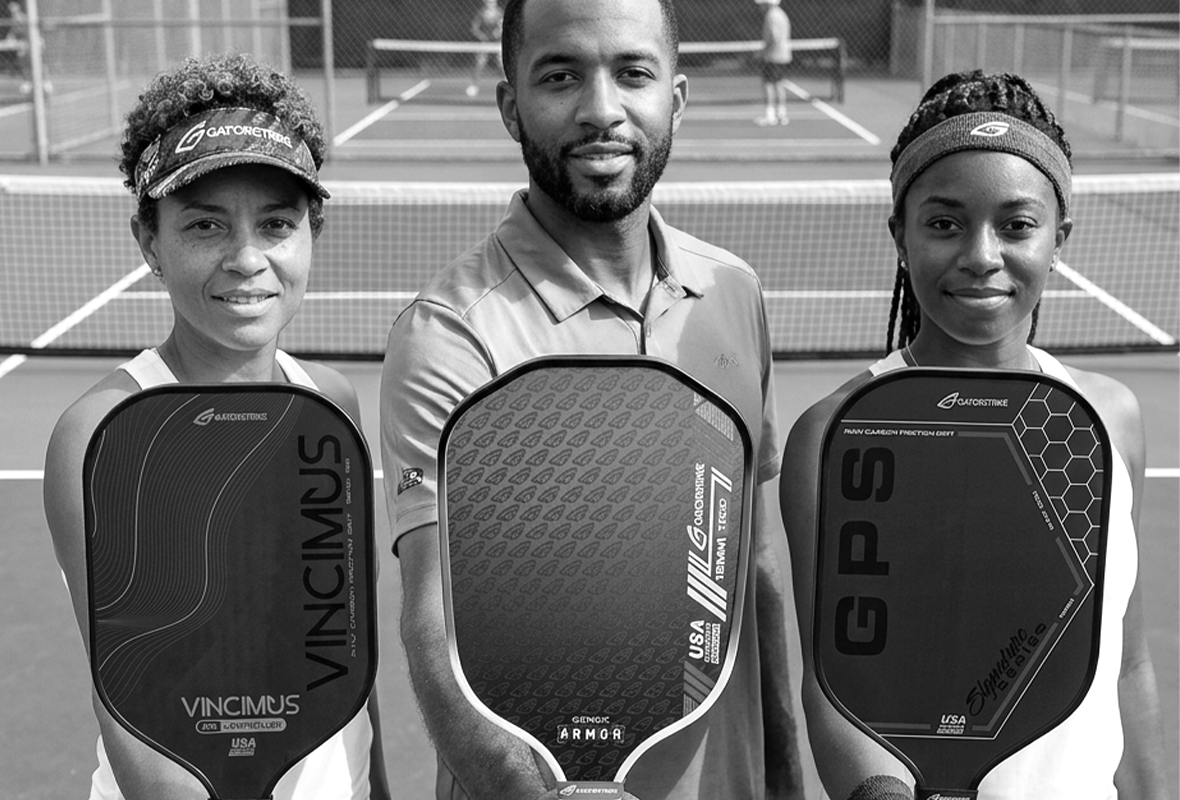
The sport of pickleball is exploding, and GatorStrike is here to make waves.
GatorStrike Pickleball is on a mission to become one of the biggest names in the game.
Learn more
Doubles vs. Singles: How to Adapt Your Strategy for Different Game Formats
Pickleball is a sport that demands adaptability. While the basic rules remain the same, playing singles versus doubles requires entirely different strategies. Singles is a test of endurance, speed, and shot placement, while doubles emphasizes teamwork, positioning, and quick reflexes. Understanding how to adjust your approach for each format will give you a competitive edge on the court. This guide explores the key differences between singles and doubles pickleball and provides expert strategies to help you succeed in both game formats. Singles Strategy: Speed, Precision, and Court Awareness Playing singles means covering the entire court on your own. With no partner to rely on, your footwork, shot selection, and endurance become even more critical. 1. Serve & Return: Power and Depth Matter A deep, powerful serve forces your opponent to stay back and gives you time to move into an offensive position. Similarly, returning deep shots helps push your opponent behind the baseline, reducing their ability to attack early in the rally. 2. Movement: Covering the Full Court In singles, anticipating your opponent’s next move is crucial. Light and agile footwork allows you to recover quickly between shots. Instead of running unnecessarily, focus on controlled movements that keep you balanced and ready for the next shot. 3. Shot Selection: Passing Shots & Lobs Because there is no partner covering the court, passing shots and deep drives are highly effective in singles play. Aim for wide angles to make your opponent move. If they come to the net, mix in well-placed lobs to keep them off balance and create openings. 4. Net Play: Strike First Approaching the net at the right moment gives you a significant advantage. Aggressive volleys and well-placed drop shots can put your opponent on the defensive. However, be mindful of your positioning—charging forward at the wrong time can leave you exposed. 5. Mental Toughness: Patience Wins the Game Singles pickleball requires not just physical endurance but also mental resilience. Points are often won by outlasting your opponent rather than hitting outright winners. Staying patient and waiting for the right opportunity is key. Doubles Strategy: Teamwork, Communication, and Control Doubles is a game of coordination. With a partner by your side, communication and positioning take center stage. Unlike singles, where speed and individual shot-making are crucial, doubles rewards consistency, smart shot placement, and synergy with your teammate. 1. Serve & Return: Precision Over Power In doubles, power isn’t as important as accuracy. Placing your serve strategically—rather than just hitting it hard—helps control the flow of the rally. Similarly, deep, well-placed returns allow you and your partner time to move forward to the net, where most points are won. 2. Court Positioning: The Power of Coordination Doubles teams that stay connected and cover the court efficiently are the hardest to beat. Both players should move in unison, ensuring there are no large gaps for the opponent to exploit. Staying at the kitchen line together prevents easy passing shots. 3. Shot Selection: The Soft Game is King Unlike singles, where power can be an advantage, doubles relies heavily on soft, controlled shots. Mastering dinks, third-shot drops, and resets is essential to neutralizing aggressive opponents. Keeping the ball low and controlled forces mistakes and creates opportunities for your team. 4. Communication: The Silent Weapon of Winning Teams Clear communication with your partner can make or break a match. Calling shots early prevents hesitation and unforced errors. Developing nonverbal cues—such as subtle hand signals—can also help with positioning and shot selection. 5. Net Play: Dominate the Kitchen Winning doubles teams control the kitchen line. The key is staying close enough to react to fast exchanges while being ready to reset the point if needed. A well-coordinated net presence puts pressure on opponents and limits their attacking options. Common Mistakes to Avoid in Each Format Singles Mistakes Overhitting—going for too much power can lead to unnecessary errors. Staying too far back—if you never approach the net, you’ll be stuck in a defensive position. Ignoring angles—hitting straight shots makes it easier for opponents to defend. Doubles Mistakes Poor communication—silent teams struggle with court coverage and shot selection. Playing too defensively—passive teams allow opponents to dictate the pace. Neglecting the soft game—relying solely on power won’t work against skilled opponents. Final Thoughts: Becoming a Versatile Pickleball Player A well-rounded pickleball player can switch seamlessly between singles and doubles. Each format requires a unique skill set, but the ability to adjust your strategy will make you more effective in both. Key Takeaways: Singles demands endurance, strong passing shots, and aggressive net play. Doubles relies on teamwork, precise shot placement, and strategic net control. Adapting to different game formats enhances your overall skill and competitiveness. Whether you prefer the solo challenge of singles or the camaraderie of doubles, understanding these key differences will elevate your performance. Step onto the court with confidence, and embrace the strategic nuances that make each format unique!
Learn more
The Art of the Soft Game: Mastering Dinks, Drops, and Defensive Play
In the fast-paced world of pickleball, power and speed often steal the spotlight. However, seasoned players know that true mastery of the game lies in finesse. The "soft game" is an art form—one that separates recreational players from strategic competitors. Mastering dinks, drop shots, and defensive play can turn the tide of a match, forcing opponents into uncomfortable positions and setting up winning opportunities. This article explores the nuances of the soft game, offering techniques, drills, and strategic insights to help you refine your touch and control on the court. The Importance of the Soft Game in Pickleball Pickleball is not just about hitting hard; it’s about outsmarting your opponent. A well-placed dink or drop shot can neutralize aggressive players and shift the momentum in your favor. The soft game is essential because: It reduces your opponent’s attacking power, forcing them into awkward positions. It creates strategic openings by drawing players forward, making them vulnerable to lobs or passing shots. It enhances consistency and control, minimizing unforced errors. It extends rallies, allowing you to wear down opponents and dictate the pace of play. By refining these skills, players develop a more well-rounded approach to the game, blending offense and defense seamlessly. Mastering the Dink: Precision and Patience What is a Dink? A dink is a soft shot hit with minimal power, landing just over the net in the opponent’s non-volley zone (the kitchen). Unlike power shots, dinks require precision, control, and patience. Key Techniques for Effective Dinking Use a Gentle Grip – Hold your paddle loosely (around a 3-4 on a scale of 10) to maintain soft hands and better control. Engage Your Legs – Instead of relying solely on your wrist or arm, bend your knees and use a smooth motion to guide the ball. Keep Your Paddle Low – Start with your paddle near net height to prevent pop-ups that can be easily attacked. Aim for a Consistent Arc – The ball should barely clear the net, making it difficult for opponents to attack. Vary Placement – Dink cross-court to create angles or down the line to keep opponents guessing. Drills to Improve Your Dinking Cross-Court Dink Rally: Stand in the kitchen and practice dinking diagonally to improve control and angles. Dink and Move Drill: Alternate between dinking straight ahead and cross-court to improve footwork and adaptability. Dink Battle: Play practice games where only dinks are allowed, focusing on touch and accuracy. Drop Shots: The Transition Weapon What is a Drop Shot? A drop shot is a soft, controlled shot hit from the baseline or mid-court, designed to land in the opponent’s kitchen. This shot helps transition from defense to offense, allowing you to move forward while preventing aggressive counterattacks. Key Techniques for Effective Drop Shots Use an Open Paddle Face – Angle your paddle slightly upward to generate a smooth, arcing shot. Minimal Backswing – A compact swing helps maintain control and prevents excessive power. Soft Hands, Light Touch – Like dinks, drop shots require finesse, not force. Aim for the Net’s Apex – The ball should reach its highest point just before descending into the opponent’s kitchen. Practice Patience – If a drop shot isn’t perfect, reset the rally rather than forcing an aggressive follow-up. Drills to Improve Your Drop Shots Baseline-to-Kitchen Drops: Practice hitting drop shots from the baseline to ensure consistent control. Partner Pressure Drill: Have a partner hit deep shots while you practice dropping them into the kitchen. Moving Drop Shot Drill: Hit drop shots while moving forward, simulating game-like scenarios. Defensive Play: Turning Defense into Offense Why Defense is Crucial A strong defensive game allows you to withstand aggressive attacks and reset the point. Whether dealing with fast drives, overhead smashes, or deep shots, smart defensive play keeps you in control and sets up offensive opportunities. Key Defensive Techniques Reset the Point – Instead of trying to counterattack, use a soft block or drop to neutralize fast-paced rallies. Stay Low and Ready – A balanced stance helps you react quickly and absorb powerful shots. Use the Lob Sparingly – A well-placed defensive lob can push opponents back but avoid overusing it, as skilled players can counter with an overhead smash. Angle Your Paddle for Soft Blocks – Instead of swinging, absorb the ball’s pace by letting it rebound off your paddle with minimal motion. Anticipate and Read Opponents – Watch for cues in your opponent’s body language to predict shot placement. Drills to Improve Your Defense Reaction Block Drill: Have a partner hit fast shots while you practice blocking with a soft touch. Kitchen Reset Drill: Work on transitioning from deep court defense to soft kitchen play. Controlled Lob Drill: Practice defensive lobs to ensure accuracy and strategic placement. Strategic Implementation: When to Use the Soft Game Knowing when to use the soft game is just as important as mastering the shots. Here are some key moments to implement these techniques: When facing aggressive players – Slow the pace down to neutralize their power. During extended rallies – Outlast opponents by forcing them into low-risk exchanges. When transitioning from defense to offense – Use drop shots to move to the net safely. To force errors – Well-placed dinks can create frustration and unforced errors from impatient opponents. Conclusion Mastering the soft game is a game-changer in pickleball. By refining your dinks, drop shots, and defensive skills, you gain greater control, reduce errors, and dictate the pace of play. While power and aggression have their place, true dominance comes from finesse and strategy. Incorporate these techniques into your practice routine, embrace patience, and watch as your game reaches new heights. The art of the soft game isn’t just about winning—it’s about playing smarter, not harder. So, are you ready to elevate your pickleball finesse? Start practicing today and take your game to the next level!
Learn more
The Evolution of Pickleball Paddle Technology: From Wood to Graphene
Pickleball, once a backyard pastime, has grown into a global phenomenon, with professional tournaments, elite athletes, and cutting-edge equipment. One of the most significant advancements in the sport has been the evolution of paddle technology. From humble wooden paddles to high-performance graphene-infused models, innovation has continuously shaped how the game is played. The Wooden Beginnings: The Birth of Pickleball Paddles In the mid-1960s, when pickleball was first created on Bainbridge Island, Washington, players had limited equipment choices. The earliest paddles were repurposed from plywood, resembling oversized ping-pong paddles. These wooden paddles were durable but lacked the finesse needed for spin, control, and speed. While functional, they were relatively heavy and lacked the responsiveness modern players enjoy. Key Characteristics of Wooden Paddles: Weighty and robust – Often exceeding 10 ounces, making prolonged play more taxing. Durable but rigid – Lacked the flexibility to provide optimal control or spin. Affordable and accessible – A budget-friendly option still used for entry-level or school programs. The Rise of Composite Materials: Fiberglass and Polymer Innovation As pickleball’s popularity surged in the 1980s and 1990s, manufacturers began experimenting with composite materials. This shift introduced fiberglass paddles with polymer honeycomb cores, significantly reducing weight while enhancing playability. Key Advancements in Composite Paddles: Lighter weight – Allowed for faster reaction times at the net. Enhanced control – Provided a balance between power and finesse. Textured surfaces – Improved spin potential, a game-changer for strategic play. Fiberglass quickly became a popular choice for players who wanted more control and maneuverability. However, as the game evolved, so did the demand for even better materials. Carbon Fiber and Kevlar: A New Era of Performance The 2000s saw another breakthrough—carbon fiber paddles. Carbon fiber, known for its lightweight yet ultra-durable properties, became a preferred material among competitive players. The tightly woven fibers created a rigid paddle face, resulting in superior precision and responsiveness. The Advantages of Carbon Fiber Paddles: Exceptional durability – Long-lasting with minimal wear over time. Enhanced touch and control – Ideal for finesse shots like dinks and third-shot drops. More consistent response – Reduced vibration for better shot accuracy. Kevlar, another high-performance material, was also introduced in some paddles, offering a blend of strength and vibration dampening. However, carbon fiber quickly outpaced Kevlar in mainstream paddle production. The Cutting-Edge Revolution: Graphene and Beyond In recent years, graphene has emerged as the next frontier in pickleball paddle technology. Graphene, an ultra-lightweight yet incredibly strong material, is 200 times stronger than steel while remaining nearly weightless. This nanomaterial enhances both power and durability without sacrificing control, making it an ideal choice for high-performance paddles. The Benefits of Graphene-Infused Paddles: Maximum strength with minimal weight – Enhances swing speed without compromising durability. Improved energy transfer – Generates more powerful shots with less effort. Superior shock absorption – Reduces strain on the arm and wrist, minimizing injury risk. As paddle technology continues to evolve, manufacturers are pushing the boundaries with hybrid materials, aerodynamic designs, and AI-assisted manufacturing processes. The goal is to craft paddles that optimize performance for every playing style. The Future of Pickleball Paddles What’s next in pickleball paddle technology? With ongoing research into nanotechnology, aerodynamics, and smart materials, the next generation of paddles may feature: Integrated sensors – Providing real-time data on shot power, accuracy, and spin. Customizable paddle surfaces – Allowing players to adjust texture for different playing conditions. Self-healing materials – Reducing wear and tear for prolonged paddle longevity. As the sport of pickleball continues to grow, so too will the innovations that shape its future. From wooden paddles to graphene-infused marvels, each advancement has elevated the game, allowing players to reach new levels of skill and strategy. Whether you're a recreational player or a competitive athlete, understanding paddle technology can help you choose the perfect gear to enhance your game. The next time you step onto the court, take a moment to appreciate the evolution of your paddle—because behind every great shot is decades of technological ingenuity.
Learn more