Paddle thickness is one of the most misunderstood variables in pickleball. Players talk about power and control as if they exist on opposite ends of a sliding scale, but the truth is more nuanced. Core thickness, especially in polypropylene honeycomb designs, directly influences how quickly the ball leaves the face and how precisely you can place it.
Among modern options, a 10 mm polypropylene core stands out for one defining characteristic: speed. It is thinner, firmer, and more responsive than its thicker counterparts. But how exactly does that translate on the court?
Let’s break down what happens inside the paddle and why 10 mm construction creates such a distinct playing experience.
Understanding the Polypropylene Honeycomb Core
Most high performance paddles today use a polypropylene honeycomb core. This structure consists of small hexagonal cells made from lightweight plastic. When the ball strikes the paddle, these cells compress and rebound, contributing to energy return and feel.
Polypropylene is popular because it offers a strong balance of durability, responsiveness, and vibration dampening. It provides a stable platform without excessive harshness, making it suitable for a wide range of playing styles.
Thickness is where things get interesting.
What Happens When the Core Is 10 mm Thick
A 10 mm core is considered thin by competitive standards. Many control oriented paddles measure 14 mm or 16 mm. Reducing the thickness changes three major performance characteristics:
Compression depth
Energy transfer speed
Dwell time
With less material to compress, the ball does not sink as deeply into the paddle. That means the contact time between ball and face is shorter. In physics terms, the system returns energy more quickly.
On court, that feels like pop.
Speed Through Faster Energy Return
The thinner the core, the less time it takes for the paddle to rebound after impact. The ball springs off the face with noticeable quickness. This makes a 10 mm polypropylene core ideal for players who thrive on:
Quick counters at the kitchen
Fast hand exchanges
Aggressive speed ups
Punch volleys
Because the ball leaves the paddle so rapidly, opponents have less reaction time. Drives feel sharper. Blocks redirect pace efficiently. Flicks and wrist based shots explode forward.
This is not just about raw power. It is about how quickly that power is delivered.
The Control Question
The immediate assumption is that thinner paddles sacrifice control. In reality, control shifts rather than disappears.
With reduced dwell time, you cannot rely on the ball sitting on the face as long as it might on a thicker core. That means softer touch shots require refined mechanics. However, directional control remains strong due to the inherent stability of polypropylene honeycomb construction.
In fact, many advanced players prefer the crisp feedback of a 10 mm core. The direct connection between paddle and ball provides clear information about contact quality. There is little lag or softness masking the feel.
For players with consistent technique, that responsiveness enhances precision rather than reducing it.
Stability and Sweet Spot Dynamics
Although thicker paddles often advertise larger sweet spots, a well designed 10 mm polypropylene core can still deliver impressive stability. The honeycomb structure distributes force across the face, helping maintain paddle integrity even during off center hits.
What changes is the feel. Instead of a plush cushion, you get a firm, connected response. The paddle behaves more like an extension of your hand, especially during fast exchanges at the net.
In competitive play where milliseconds matter, that immediate response can be a decisive advantage.
Spin Potential With a Thin Core
Spin is influenced primarily by surface texture and friction, but core thickness plays a supporting role.
With a 10 mm core, the shorter dwell time means spin generation depends heavily on clean, confident contact. Pair this construction with a high quality textured face and you get sharp, biting rotation without excessive trampoline effect.
For aggressive players who accelerate through the ball, the result is penetrating topspin and decisive slice shots that stay low and fast.
Who Should Consider a 10 mm Polypropylene Paddle?
This setup is particularly well suited for:
Players who prioritize speed over soft touch
Aggressive baseliners who drive through the court
Net attackers who dominate hand battles
Athletes transitioning from tennis who prefer firmer response
If your style is proactive and offensive, a thinner core rewards assertiveness.
On the other hand, players who rely heavily on slow, extended dink rallies may prefer the added dwell time of thicker cores. It ultimately comes down to how you want the paddle to respond when the ball makes contact.
A Paddle That Showcases 10 mm Performance
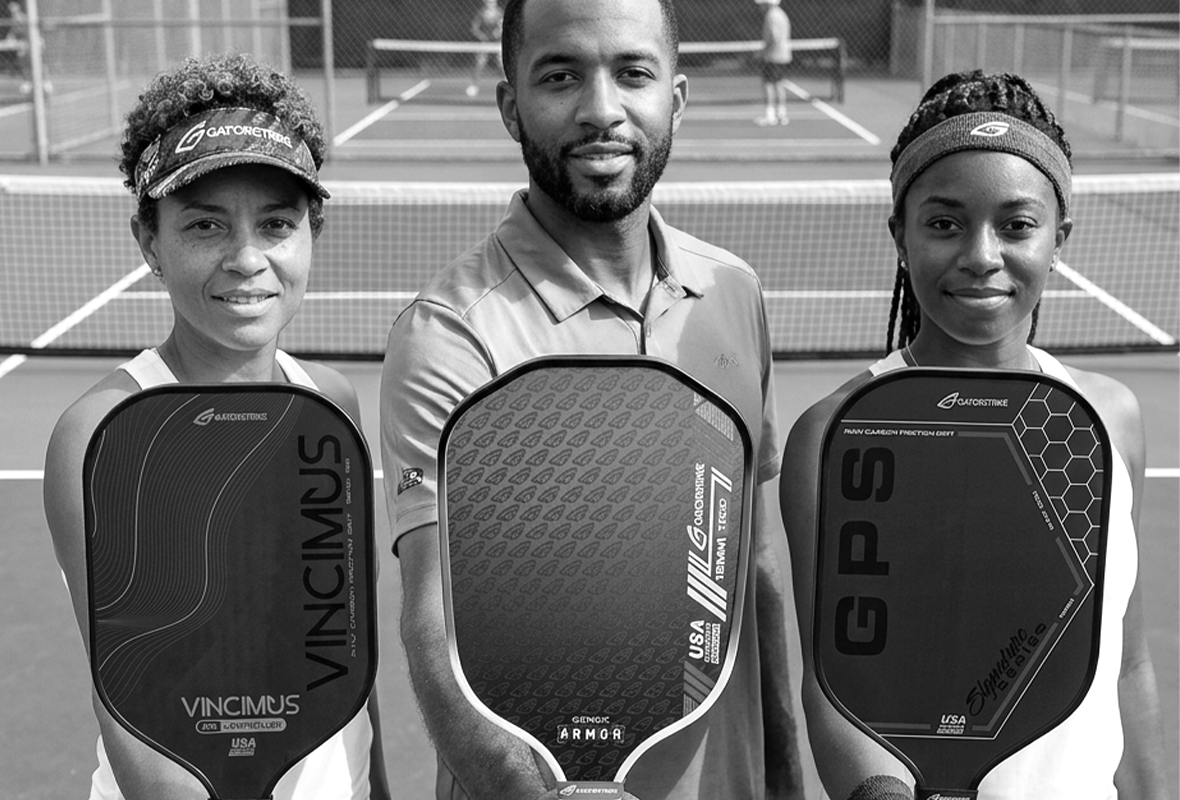
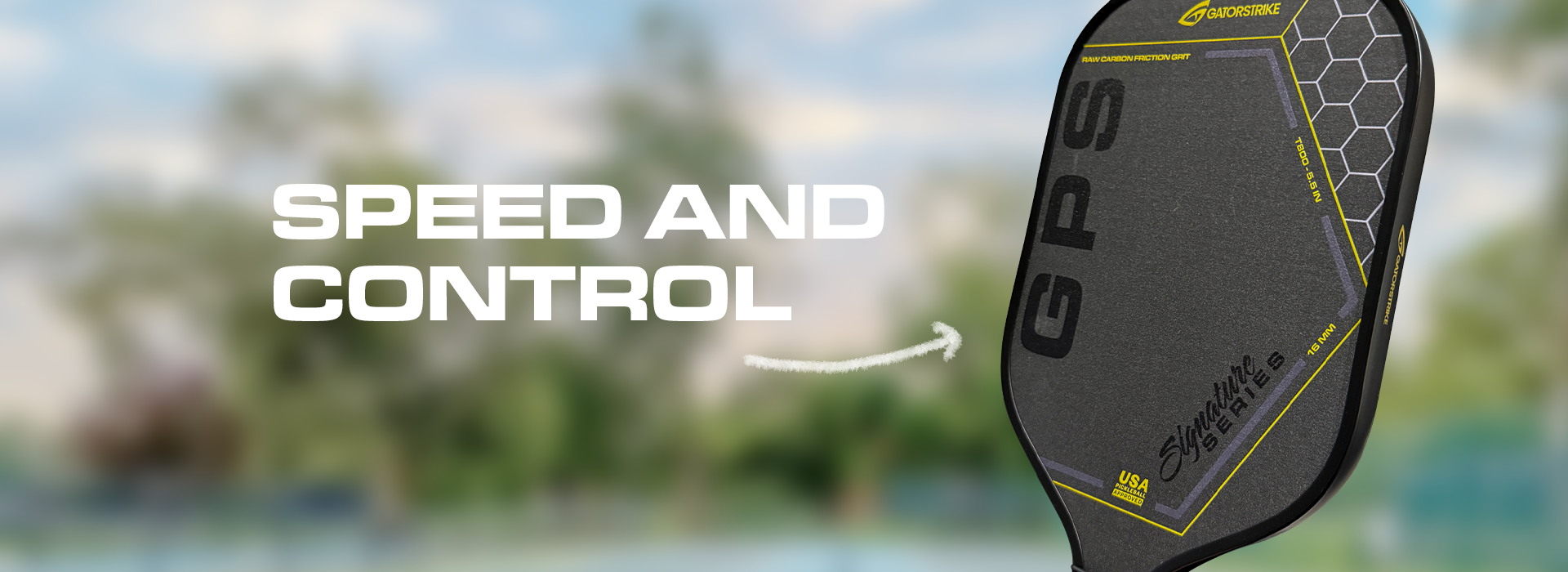
If you are intrigued by the advantages of a thin polypropylene build, the Gatorstrike Gold Pro Series Paddle from gatorstrike.com is a standout example.
Built with a 10 mm polypropylene core, it delivers the fast rebound and crisp responsiveness that aggressive players crave. The ball comes off the face with speed, making drives and counters feel sharp and controlled. At the same time, the honeycomb construction maintains structural stability, so you are not sacrificing reliability for pop.
The combination of thin core construction and high performance face materials creates a paddle that feels explosive yet precise. For players who want quicker hands at the net, more penetrating groundstrokes, and confident directional feedback, this design checks every box.
A 10 mm polypropylene core is not just thinner. It is faster, firmer, and more direct. When paired with thoughtful engineering, it becomes a tool for players ready to take control of tempo rather than react to it.