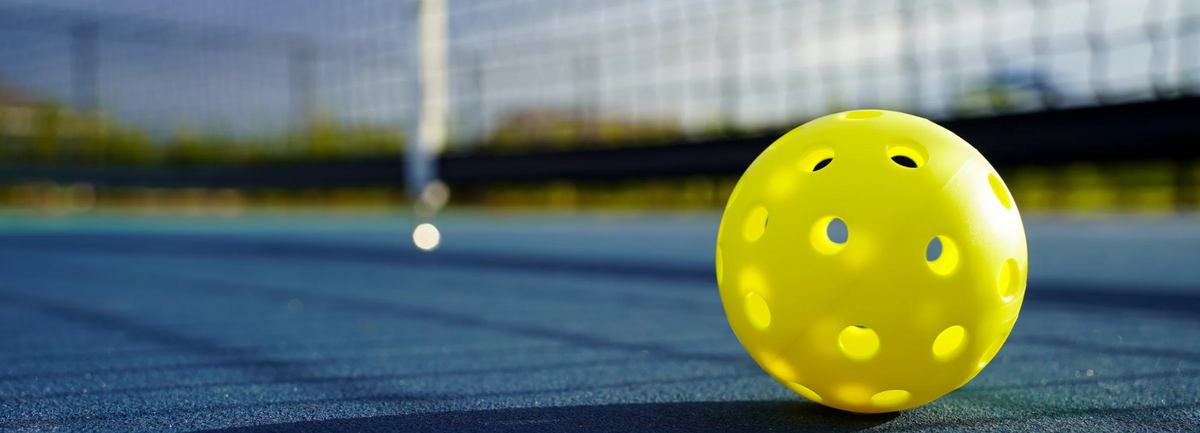
If you have ever stepped onto an outdoor pickleball court and wondered why the ball feels firmer, flies differently, and sounds sharper off the paddle, the answer often comes down to one simple detail: 40 holes.
While casual players may not think much about hole count, experienced competitors know it plays a major role in flight stability, bounce consistency, and overall performance. In outdoor conditions where wind, temperature, and surface texture constantly influence the game, the 40 hole design has proven to be the gold standard.
Understanding why requires a closer look at aerodynamics, materials, and the realities of playing outside.
The Aerodynamics Behind 40 Holes
Pickleball balls are lightweight and hollow, which makes them highly sensitive to air movement. Outdoors, even a mild breeze can push a ball off course.
A 40 hole ball typically features smaller, evenly distributed holes compared to indoor versions. This specific configuration helps manage airflow around the ball more efficiently. The smaller holes reduce erratic air penetration and create a more stable flight pattern.
From an aerodynamic standpoint, more holes allow air to pass through the ball in a controlled manner. This reduces wobble and helps maintain a truer trajectory, especially during driven shots or high lobs.
The result is a ball that tracks more predictably in outdoor wind conditions.
Harder Plastic for Tougher Conditions
Outdoor courts are usually made of concrete or asphalt. These surfaces are abrasive and unforgiving. A softer indoor ball would crack quickly under repeated impact.
Forty hole balls are typically constructed from a harder, more durable plastic blend. This material resists deformation and stands up to the rough texture of outdoor courts.
The harder shell also contributes to a faster pace of play. Because the ball compresses less on impact, it rebounds with greater energy. Drives feel crisp and counters come off the paddle with authority.
In competitive outdoor play, that responsiveness is essential.
Bounce Consistency on Outdoor Surfaces
Surface texture dramatically affects how a pickleball bounces. Asphalt and concrete create higher friction than indoor gym floors.
The firmer construction of a 40 hole ball works in harmony with these surfaces. The ball maintains its shape through contact, leading to a more predictable bounce height and angle.
Consistency matters. In tournament settings, players rely on reliable bounce behavior to execute third shot drops, topspin drives, and deep returns. An inconsistent bounce introduces unnecessary variables.
The 40 hole design has become the outdoor standard precisely because it minimizes those uncertainties.
Performance in Windy Conditions
Wind is the defining challenge of outdoor pickleball. A light gust can turn a perfect drop into a floating sitter.
Because 40 hole balls are engineered for stability, they tend to cut through the air more effectively than balls with larger or fewer holes. The distribution and size of the holes help balance internal and external air pressure during flight.
This reduces the dramatic drifting effect that plagues lighter, softer balls.
For players who compete regularly outdoors, this stability builds confidence. You can aim aggressively without constantly compensating for unpredictable float.
Sound and Feel
There is also a sensory difference. Forty hole balls produce a distinct, sharper sound at contact. That auditory feedback is not just cosmetic. It reflects the firmer construction and more direct energy transfer.
Many players prefer this feel because it aligns with the faster tempo of outdoor rallies. The ball responds immediately, rewarding compact swings and quick reactions.
While some beginners may initially find the ball feels harder, most competitive players appreciate the precision it offers once they adjust.
Why 40 Holes Became the Standard
Over time, tournaments, clubs, and governing bodies have gravitated toward 40 hole balls for outdoor play because they provide balance.
They are durable enough to withstand extended use on rough courts. They fly stable enough to manage wind. They bounce consistently enough to preserve fairness. And they move fast enough to keep the game dynamic.
This combination makes them the logical choice for serious outdoor players.
A Smart Choice for Outdoor Play: Gatorstrike Quick Strike 40
If you are playing outdoors regularly, choosing the right 40 hole ball makes a noticeable difference. The Gatorstrike Quick Strike 40 is an excellent example of how thoughtful engineering enhances performance.
Built with a durable, high quality plastic blend, it stands up to the demands of asphalt and concrete without cracking prematurely. Its precisely drilled 40 hole pattern promotes stable, consistent flight even when the wind picks up.
The bounce remains reliable, allowing you to trust your depth control on returns and third shots. At the same time, the ball delivers the crisp, responsive feel that competitive outdoor players expect.
For athletes who want a ball that matches the speed and intensity of modern outdoor pickleball, the Gatorstrike Quick Strike 40 is a highly recommended option. It embodies the core advantages that have made 40 hole balls the dominant choice and gives you the confidence to focus on strategy rather than conditions.
In outdoor play, equipment must work with the environment, not against it. A well designed 40 hole ball does exactly that.