Pickleball's injury numbers have been climbing right alongside its participation numbers, and a new round of 2026 research is giving the clearest picture yet of who's getting hurt — and why.
The Numbers Are Bigger Than Most Players Realize
National estimates show pickleball-related injuries jumped from roughly 1,313 in 2014 to 24,461 in 2023, and current data puts U.S. emergency room visits for pickleball injuries at around 19,000 a year. That growth tracks the sport's own explosion in popularity, but it also means the injury conversation can no longer be treated as a niche concern.
Who's Most at Risk
The data skews heavily toward older players: those aged 60 to 79 account for the largest share of injuries, and the 50-plus demographic absorbs roughly 90% of them overall, with a near-even split between men (51.2%) and women (48.8%). That said, upper extremity injuries aren't just an older-player problem — a 2026 study in the Journal of Orthopaedic & Sports Physical Therapy found that 39% of surveyed players across age groups had experienced at least one upper extremity injury.
The Single Biggest Risk Factor Isn't Age — It's Attitude
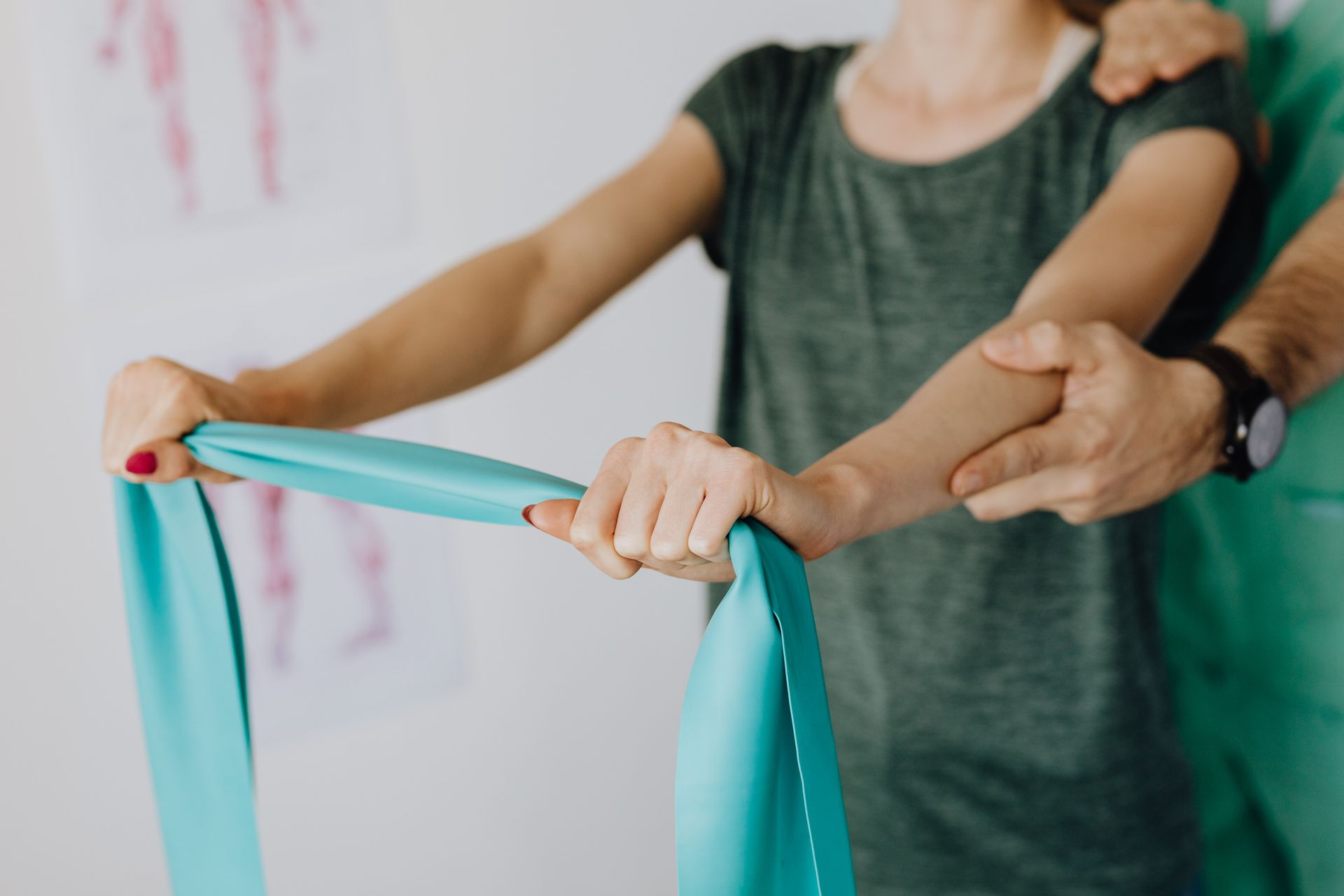
Here's the part of the 2026 research that should change how every player approaches the game: players who rated injury prevention as low or moderate importance (scoring 1-7 on a 10-point scale) were 2.02 times more likely to suffer an upper extremity injury than players who rated it highly (8-10). In other words, how seriously you take warming up, pacing yourself, and using sound technique is a bigger predictor of injury than your age bracket.
What Researchers Recommend
The study's authors are calling for age- and sex-specific injury prevention strategies rather than one-size-fits-all advice, recognizing that a 65-year-old recreational player and a 28-year-old competitive player are managing very different physical demands and risk profiles.
Practical Takeaways for Your Next Session
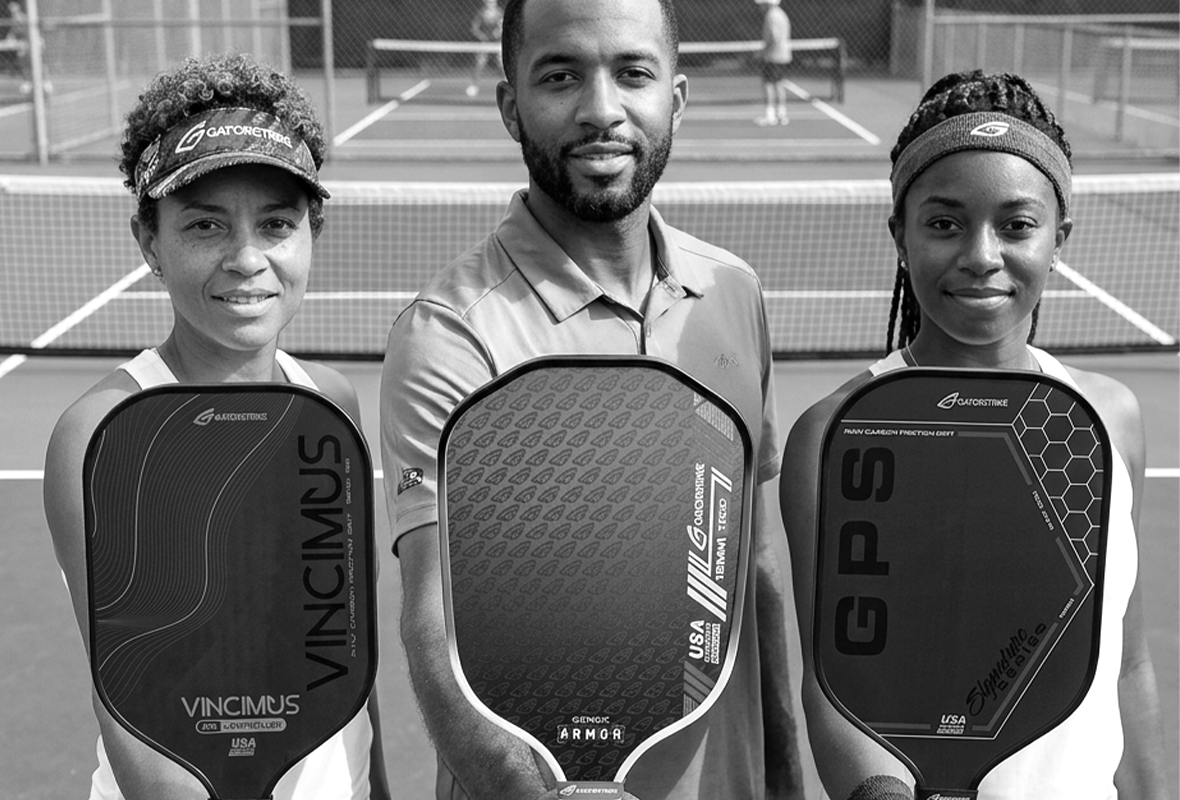
None of this requires an overhaul — just a shift in mindset. A real dynamic warm-up before you step on the court, not just a couple of practice serves, makes a measurable difference. Pay attention to footwork and lateral movement drills, since lower-body instability often shows up as upper-body compensation injuries. And don't ignore equipment fit: a paddle that's the wrong weight or grip size for your hand forces small, repetitive compensations that add up over a season. GatorStrike's Gold Pro Series GPS T700 is balanced for control without forcing extra wrist or shoulder strain on off-center hits, which matters more than most players think when you're playing several times a week.
The Bigger Picture
Pickleball isn't getting more dangerous — more people are simply playing it, and playing it more often. The 2026 research is a useful reminder that taking prevention seriously, not just playing it safe occasionally, is the variable actually within your control.