Pickleball's popping, repetitive sound — a byproduct of hard paddles striking a hard plastic ball — has become the sport's most persistent off-court controversy, and 2026 is shaping up as the year it comes to a head in communities across the country.
Lawsuits Are Now Part of the Conversation
In Boca Raton, homeowners at Parkside at Boca Trail are suing their HOA over newly converted pickleball courts, arguing the courts were approved without proper authorization and that the noise has disrupted their quality of life. It's one of the clearest signs yet that noise disputes are moving from neighborhood petitions into actual litigation.
Several Towns Have Already Pulled the Plug
Some communities aren't waiting for a lawsuit to act. Martinez voted to permanently close its pickleball courts after complaints about noise, trash, and traffic. South Burlington is scaling back courts at a local park after two years of ongoing complaints. And in Kittery, Maine, town leaders are weighing closure of the town's only public outdoor courts after noise-reduction efforts fell short and neighbors threatened legal action.
It's Not Just Small Towns
In The Villages, Florida, hundreds of residents have signed a petition demanding noise mitigation near a recreation center where multiple courts sit close to homes — a notable case given how central pickleball is to that community's identity. Even cities further afield, like Halifax, are weighing permanent closures after years of complaints described by residents as "tremendously tormenting."
What Actually Reduces the Noise
The pattern across these disputes is consistent: courts built directly adjacent to homes generate far more complaints than courts sited near commercial zones, schools, or existing athletic complexes. Where relocation isn't an option, cities and clubs are turning to acoustic fencing, dense landscaping buffers, windscreen materials, and earthen berms to dampen sound — with mixed but real results.
The Equipment Side of the Equation
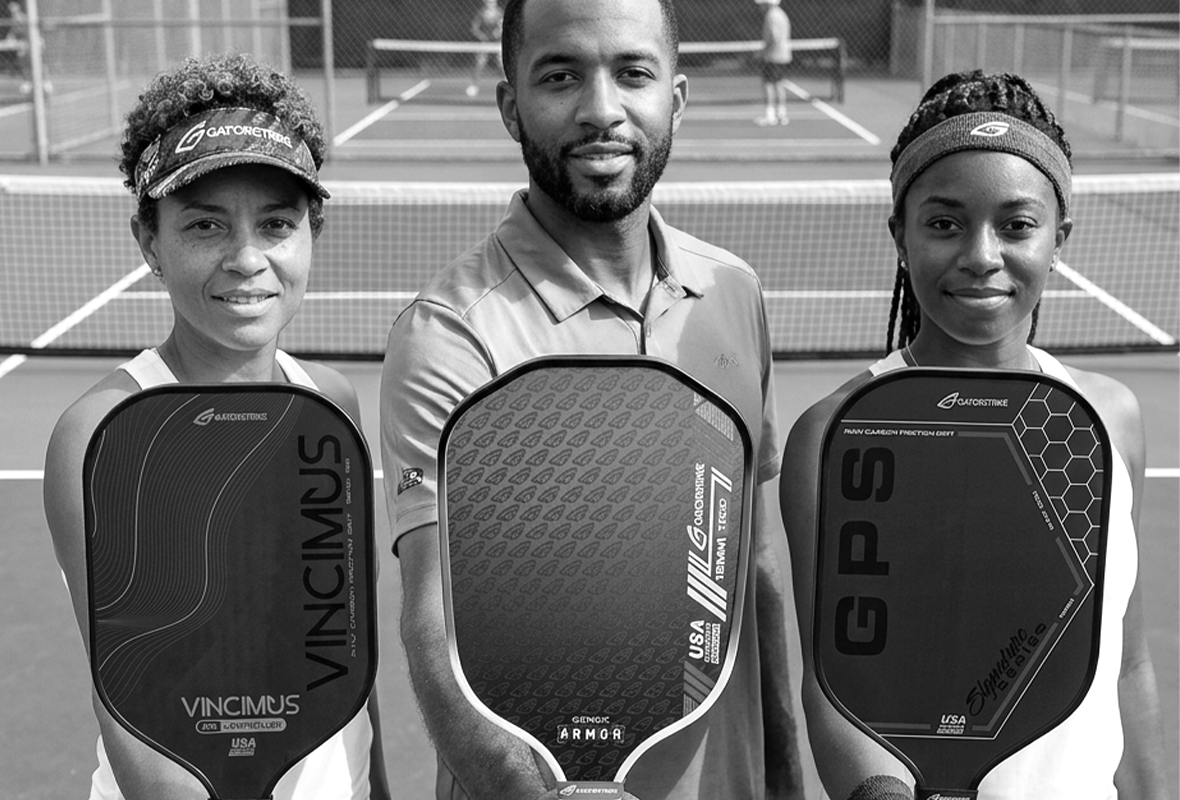
Court design isn't the only lever. Paddle and ball manufacturers have been working on quieter materials for several years now, and as the paddle tech race shifts toward foam cores and softer-feeling faces, sound dampening is increasingly part of the pitch alongside performance. It's a rare case where a quieter paddle and a better-feeling paddle are pointing in the same direction — something worth considering if your club or HOA has flagged noise as an issue, beyond just picking gear for spin and power.
What This Means for the Sport's Growth
None of this is likely to slow pickleball's overall momentum, but it is forcing a more deliberate approach to where new courts get built. Expect more cities to require sound studies before approving conversions, and more developers to build buffer zones into court plans from the start rather than retrofitting them after the complaints start.