Here's an uncomfortable truth: most doubles points aren't lost because someone hit a weak third shot drop. They're lost because two players were standing in the wrong place, going for the same ball, or leaving half the court wide open. Power gets you highlights. Positioning gets you wins. If you're serious about dominating the court, it's time to fix your feet before you fix your swing.
Why Doubles Positioning Wins More Points Than Power
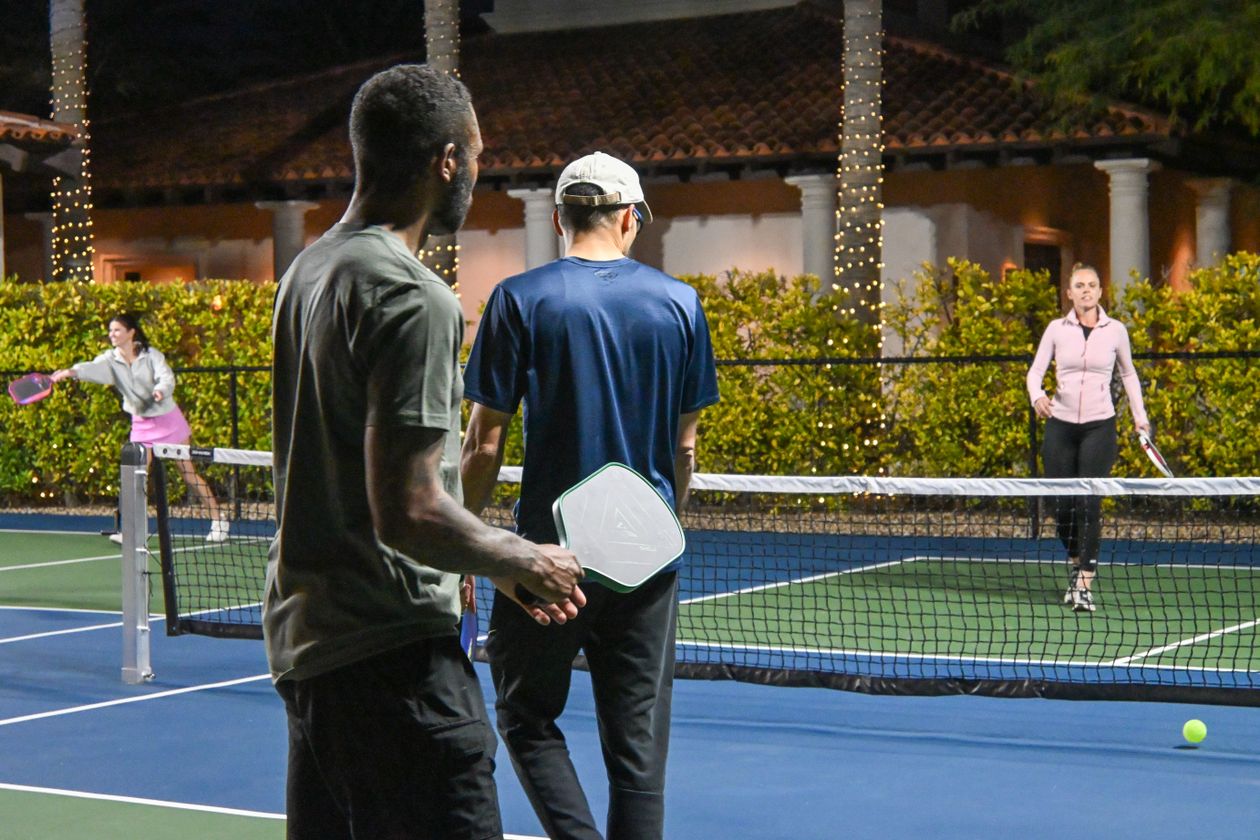
Pickleball doubles is a geometry problem disguised as a sport. Two players have to cover a court built for four, which means every step you take either closes a gap or opens one. Teams that move as a unit — shifting side to side and forward to back together — force opponents to beat two well-covered targets instead of exploiting one obvious hole. That's not luck. That's discipline, and it's coachable starting today.
The Stack: When and Why to Use It
Stacking — lining both partners up on one side of the court before a serve or return — isn't just a pro-level gimmick. It lets your stronger forehand cover more of the middle, keeps a lefty-righty pairing from colliding paddles, and sets up cleaner transitions to the kitchen line. Start simple: if one partner has a clearly dominant forehand, stack so that shot faces the middle of the court as often as possible. You don't need fancy footwork patterns on day one — you need a plan you both understand before the ball is served.
Covering the Middle Without Colliding
The middle seam between partners is where rallies go to die. The fix isn't complicated, but it does require an ego check: whoever has the forehand on that ball generally takes it, and the call should happen early and loudly. "Mine" beats silence every time. Practice calling shots out loud in warmups until it becomes automatic — the split second you spend deciding who's hitting is the split second your opponents use to hit the ball right between you.
Switching Sides Without Losing Your Shape
Lobs, poaches, and scrambles happen — and when they do, teams that panic end up with both players on the same side of the court, gifting away the entire opposite half. The rule of thumb: if you cross behind your partner to chase a ball, call it and reset to the open side immediately after the point continues. Two seconds of discipline resetting your shape prevents the next ball from becoming a walk-in winner for the other team.
Gear That Backs Up Good Positioning
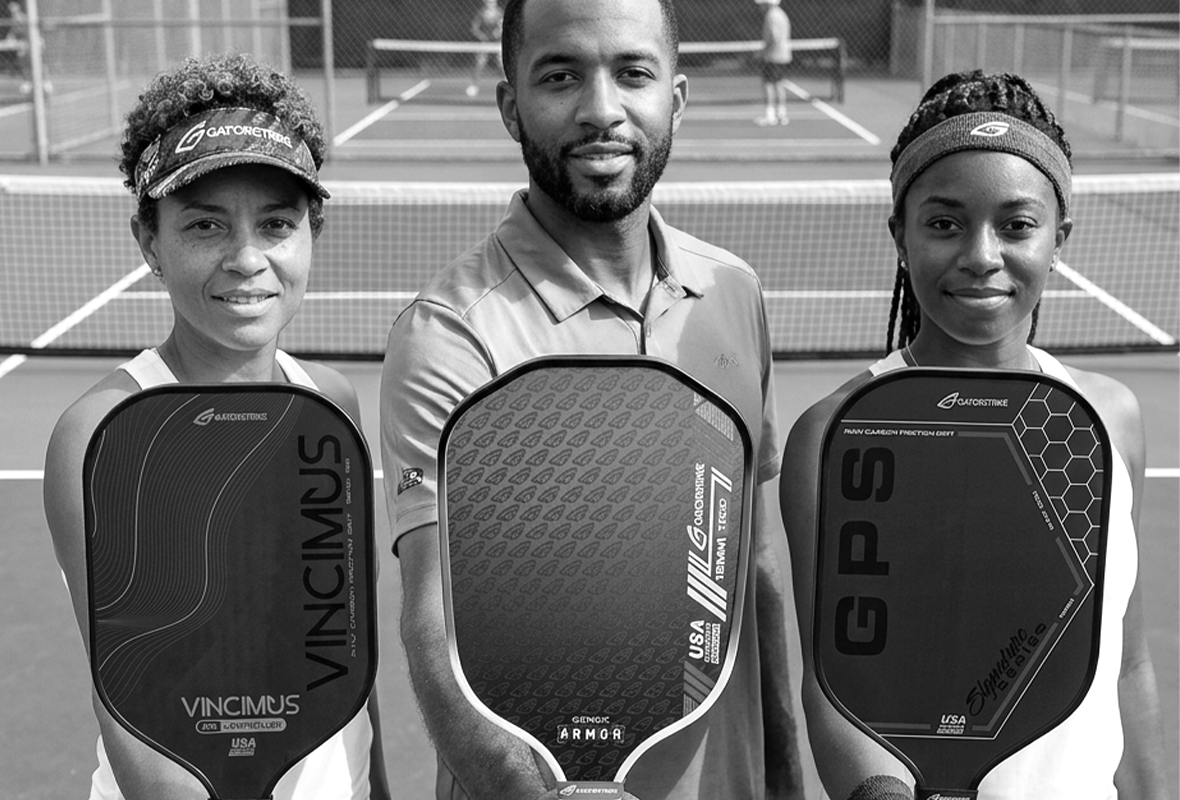
Smart positioning still needs a paddle that can finish the point once you've earned the angle — enough control to drop a ball into the transition zone, enough pop to close out a put-away when your partner sets you up at the net. That's exactly the gap the GatorStrike A.R.M.O.R Gen 5X was built to fill. Its raw carbon fiber face grips the ball for cleaner resets when you're scrambling back into shape, and the balanced 7.9–8.0oz build with a big sweet spot means mishits from awkward angles still stay in play instead of sailing long. Get your footwork right, and let the paddle handle the rest.