Pickleball has a way of pulling people in quickly. The rallies are fast, the learning curve feels friendly, and the social energy is contagious. But beneath that welcoming surface lies a game built on precision. For beginners who want to improve faster and play with confidence, three fundamentals matter more than anything else: grip, footwork, and timing.
These are not flashy skills. They will not win highlight reels. Yet they quietly determine how well you strike the ball, how efficiently you move, and how consistently you stay in control during rallies. Master these, and everything else becomes easier.
Why Fundamentals Matter More Than Fancy Shots
New players often focus on spin serves, aggressive drives, or clever drops. While those shots have their place, they depend entirely on a solid foundation. Without proper grip, your paddle face becomes unpredictable. Without good footwork, you are always reacting late. Without timing, even the simplest shot can fall apart.
Think of these three elements as the engine behind every stroke. When they work together, your game becomes smoother, more consistent, and far less stressful.
Grip: Your Only Connection to the Paddle
The way you hold the paddle influences every shot you take. It affects control, power, and the angle of contact. For beginners, the goal is not complexity but consistency.
The Continental Grip Advantage
Most coaches recommend starting with the continental grip. It is simple, versatile, and allows you to transition between forehands and backhands without constantly adjusting your hand.
To find it, imagine you are shaking hands with the paddle. Your index knuckle and heel of the palm should rest along the same bevel. This neutral position keeps the paddle face stable and makes it easier to react quickly at the net.
Common Mistakes to Avoid
A grip that is too tight limits your touch and slows your reactions. On the other hand, a grip that is too loose reduces control. Aim for a relaxed but secure hold, firm enough to maintain control but flexible enough to absorb impact.
Another common issue is switching grips too often. While advanced players adjust based on the situation, beginners benefit more from sticking to one reliable grip until it becomes second nature.
Building Feel and Control
Spend time simply hitting soft shots, focusing on how the ball feels off the paddle. This develops touch, which is critical for dinks, drops, and resets. A good grip should feel natural, not forced.
Footwork: Getting to the Ball the Right Way
Footwork is often overlooked by beginners, yet it is one of the biggest separators between casual and improving players. Good footwork puts you in position early, allowing you to hit balanced, controlled shots.
Stay Light and Ready
Pickleball rewards players who stay on the balls of their feet. This athletic stance allows quick movement in any direction. Avoid standing flat-footed, which slows your reaction time and limits your mobility.
A slight bend in the knees and a forward-leaning posture keep you ready to move. Think of it as being prepared rather than waiting.
Small Steps Beat Big Lunges
Many beginners rely on large, last-second lunges. While this might reach the ball, it often leads to poor balance and weak shots. Instead, focus on small, controlled steps that position your body properly before contact.
These adjustment steps help you align your shoulders and hips, giving you a much cleaner swing path.
The Importance of Recovery
Footwork is not just about reaching the ball. It is also about recovering after each shot. Good players return to a neutral position quickly, ready for the next exchange.
In doubles, this often means moving in sync with your partner, especially when approaching the non-volley zone. Staying connected as a team prevents gaps and confusion.
Timing: The Art of Striking the Ball Cleanly
Timing is what brings everything together. It determines when you make contact, how cleanly you hit the ball, and how much control you have over direction and pace.
Early Preparation Makes All the Difference
One of the biggest mistakes beginners make is preparing too late. By the time they swing, the ball is already too close or too low.
Instead, focus on preparing your paddle early. As soon as you recognize where the ball is going, set your paddle position and get ready to swing. This gives you more control and reduces rushed movements.
Contact Point Awareness
Ideal contact happens slightly in front of your body. This position allows you to guide the ball with better accuracy and power. When the ball gets too close to your body, your swing becomes cramped and inconsistent.
Practicing controlled rallies helps develop awareness of this contact point. Over time, it becomes instinctive.
Rhythm Over Force
Timing is closely tied to rhythm. Instead of trying to hit the ball hard, aim for smooth, well-timed swings. Power will come naturally as your mechanics improve.
Watch experienced players, and you will notice how effortless their shots look. That ease comes from good timing, not brute strength.
Bringing It All Together
Grip, footwork, and timing are not separate skills. They work together in every shot you take. A proper grip stabilizes the paddle, good footwork positions your body, and solid timing ensures clean contact.
When one element is off, the others have to compensate. This often leads to inconsistency and frustration. But when all three align, the game feels simpler and more controlled.
Practical Ways to Improve Faster
Start each session with a short warm-up focused on soft hitting. Pay attention to your grip pressure and paddle control.
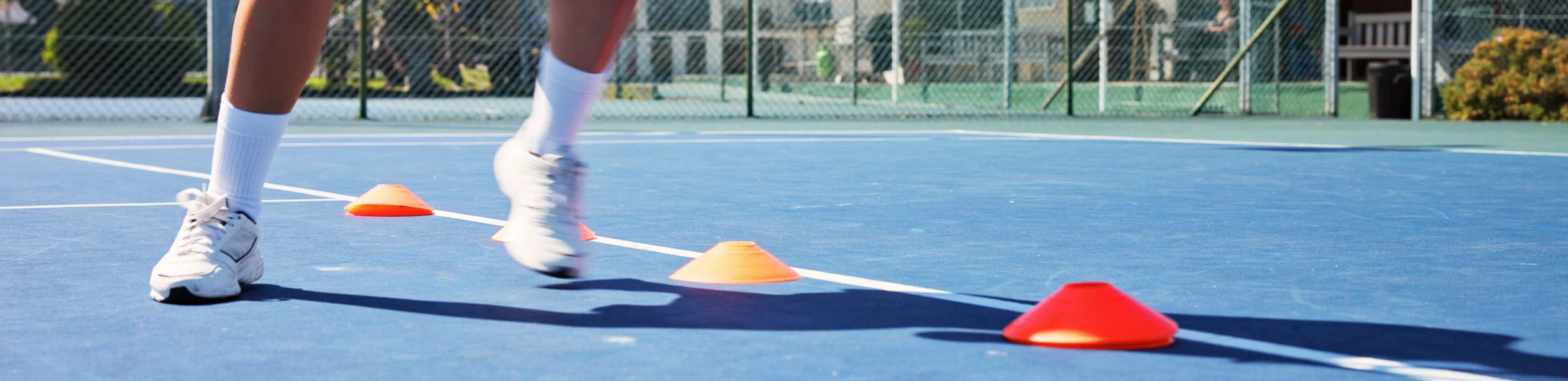
Practice movement drills without the ball. Focus on staying light, taking small steps, and recovering quickly.
During rallies, slow things down. Prioritize clean contact and positioning over winning the point.
Most importantly, be patient. These fundamentals take time to develop, but they pay off in every aspect of your game.
Final Thoughts
Pickleball may be easy to start, but it rewards those who build strong foundations. Grip, footwork, and timing are the quiet drivers behind every successful shot.
By focusing on these core elements, beginners can accelerate their progress and enjoy the game at a deeper level. Improvement becomes less about chasing techniques and more about refining the basics that truly matter.
Master the foundation, and the rest of your game will follow naturally.