Walk into almost any rec center, summer camp, or church gym these days and there's a decent chance a shrunken-down pickleball court has muscled its way onto the schedule. Kids are picking up the sport younger than ever, and for good reason — it's easy to rally on day one, doesn't demand a growth spurt to be competitive, and turns into a family activity almost by accident. If your kid just asked for a paddle, here's how to do it right.
Why Kids Are Falling for Pickleball
Tennis punishes beginners with a court that feels enormous and a ball that barely cooperates. Pickleball flips that script: the court is smaller, the plastic ball moves slower through the air, and a decent rally is achievable within the first fifteen minutes. That fast feedback loop — hit it, it goes back, you're actually playing — is exactly what keeps young players hooked instead of frustrated. It also happens to be one of the few sports where a determined ten-year-old can occasionally hang with a parent, which is its own kind of magic for family court time.
Getting Started: Age, Gear, and Court Size
Most kids can start rallying as early as six or seven with a lightweight paddle and some patience, though the real hook tends to land around age nine or ten once hand-eye coordination catches up to enthusiasm. You don't need a regulation court to start — a driveway, a garage door, or a taped-off patch of pavement works fine for early reps. Focus early sessions on soft, controlled contact instead of swinging for the fences; kids who learn to control the ball before they learn to crush it develop far better habits than the ones who start by trying to hit winners.
Choosing a Paddle That Grows With Them
The single biggest mistake parents make is handing a kid a hand-me-down adult paddle that's too heavy and too long for small hands and a still-developing swing. An oversized, overweight paddle wrecks technique before it has a chance to form — kids compensate with all arm and no body, and that habit is brutal to unlearn later. Look for something light enough to control with one hand, forgiving enough to reward imperfect contact with a big sweet spot, and durable enough to survive being dropped on concrete approximately eleven times per session.
Coaching, Clinics, and Keeping It Fun
Formal lessons help, but they're not required to get a kid started — plenty of local parks and rec departments now run junior clinics or open-play hours built specifically for younger players. The priority at this stage isn't technique perfection, it's making sure the sport stays fun. Keep score loose, celebrate good rallies over winners, and resist the urge to correct every single mistake in real time. Kids who associate the court with pressure quit. Kids who associate it with fun ask to go back tomorrow.
The Right First Paddle
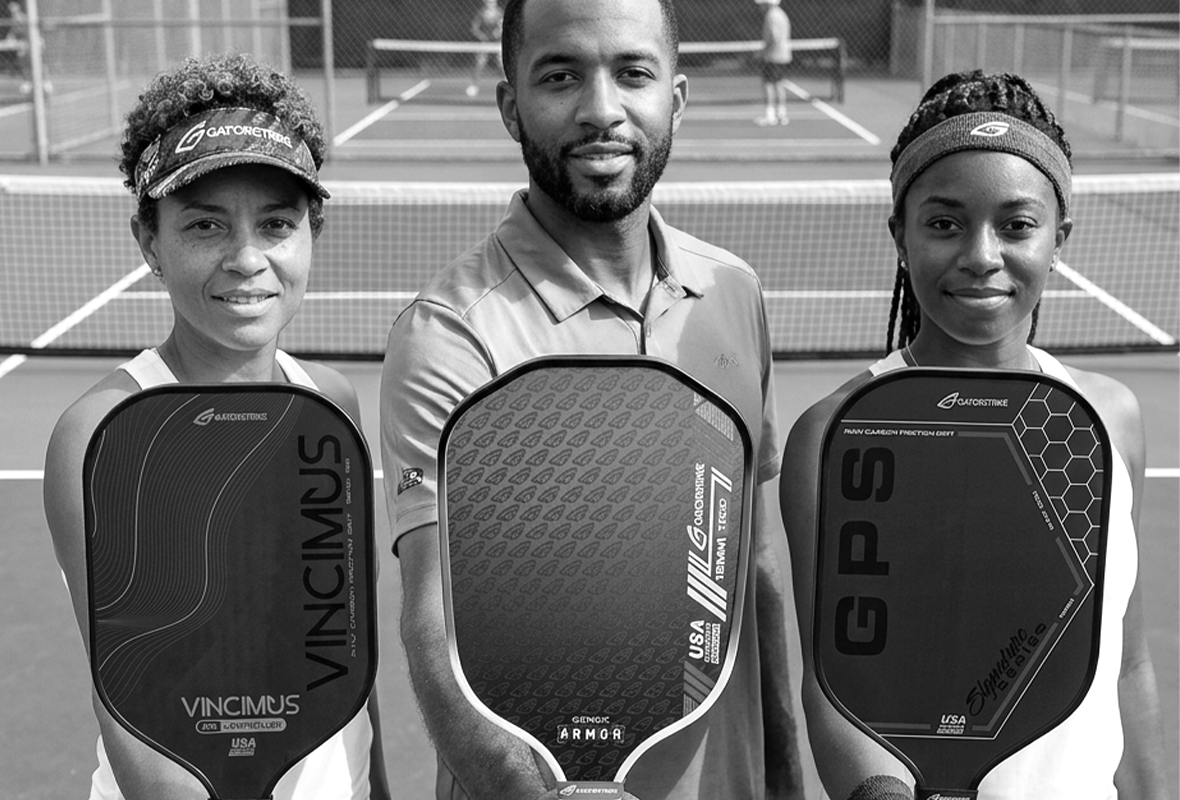
For families getting started, the GatorStrike Vincimus Power hits the sweet spot on price and forgiveness — a raw carbon face for real control as skills develop, a big sweet spot that turns off-center hits into playable shots instead of pop-ups, and a price that makes sense before you know whether this is a phase or a lifelong obsession. Get the whole family playing the same paddle line, and let the court sort out who improves faster.