Not long ago, improving at pickleball meant relying on repetition, instinct, and the occasional piece of advice from a more experienced player. Progress came through hours on the court and a gradual understanding of timing, positioning, and touch. While that foundation still matters, a new layer has been added to the game. Technology is now stepping in to accelerate learning in ways that were once unimaginable.
Smart pickleball has arrived, and it is reshaping how players train, analyze their performance, and ultimately improve. With the integration of artificial intelligence and sensor-based tools, development is becoming more precise, more personalized, and far more efficient.
The Rise of Data Driven Training
At the heart of this shift is data. Modern pickleball tools are no longer limited to basic tracking. Today’s systems can capture detailed information about every aspect of a player’s performance, from swing speed and paddle angle to shot placement and spin rate.
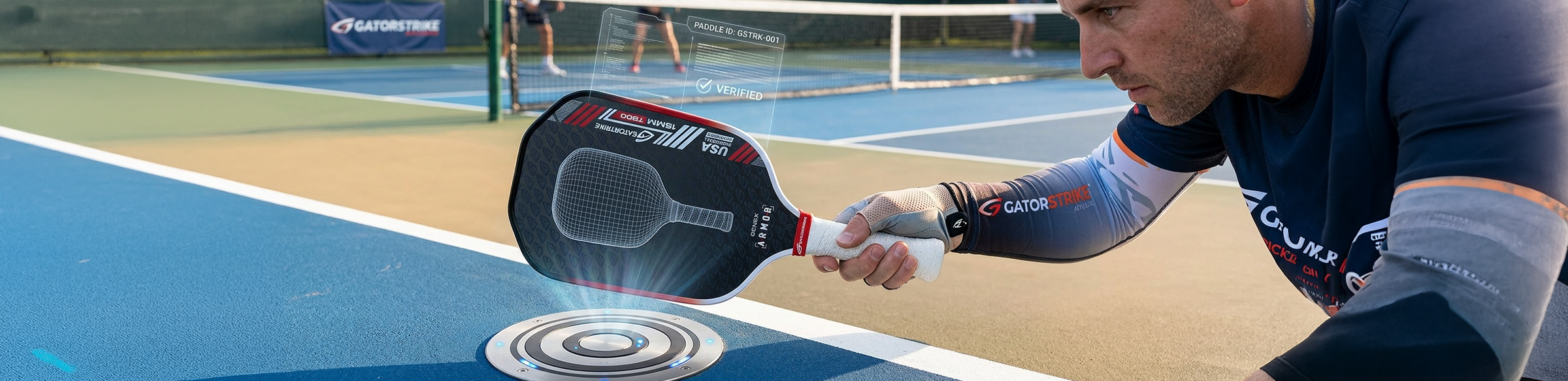
Sensors embedded in paddles or attached as lightweight accessories record real time metrics during play. Cameras and computer vision systems analyze movement patterns, footwork efficiency, and shot selection. Artificial intelligence then processes this data, turning it into clear insights that players can actually use.
Instead of guessing what went wrong during a rally, players can now see it. A missed third shot drop is no longer just a mistake. It becomes a measurable moment with specific feedback on timing, paddle position, and trajectory.
Real Time Feedback That Speeds Up Improvement
One of the most powerful advantages of smart technology is immediacy. Traditional coaching often relies on delayed feedback. A player might finish a session before fully understanding what needs to change.
AI driven tools close that gap. Many systems provide instant feedback after each shot or rally. Players can adjust their technique on the spot, reinforcing good habits and correcting errors before they become ingrained.
This real time loop creates a more efficient learning process. Small adjustments compound quickly, allowing players to progress faster without necessarily increasing their training hours.
For beginners, this means building a solid foundation from the start. For advanced players, it offers the precision needed to refine already developed skills.
Personalized Coaching Without Limits
Every pickleball player has a unique style, set of strengths, and areas for improvement. Traditional coaching can be highly effective, but it is often limited by time, availability, and cost.
AI powered platforms bring a new level of accessibility to personalized coaching. By analyzing individual performance data, these systems generate tailored recommendations that align with each player’s needs.
A player who struggles with consistency at the kitchen line might receive targeted drills focused on control and soft touch. Another player looking to add power to their drives could get feedback on swing mechanics and timing.
The result is a customized development plan that evolves as the player improves. It is like having a coach that learns alongside you and adapts continuously.
Smarter Practice Sessions
Practice is only as valuable as its structure. Hitting balls without a clear objective can lead to slow or uneven progress. Smart pickleball tools help eliminate that inefficiency by guiding players toward more purposeful training.
Drill suggestions are often based on actual performance data. If a player’s backhand return is inconsistent, the system can recommend specific exercises to address that weakness. Progress is tracked over time, making it easy to see whether those drills are producing results.
This level of structure transforms practice sessions into focused, goal oriented experiences. Players spend less time wondering what to work on and more time making meaningful improvements.
Understanding Patterns and Strategy
Beyond mechanics, smart technology is also changing how players approach strategy. AI systems can analyze patterns across multiple games, identifying tendencies that may not be obvious in the moment.
For example, a player might discover that they consistently struggle against cross court dinks or tend to favor one side of the court under pressure. These insights allow for more informed decision making during matches.
Opponents can also be studied in a similar way. As data collection becomes more advanced, players can prepare for matches with a clearer understanding of their competition’s habits and preferences.
This analytical edge is something that was once reserved for elite athletes. Now, it is becoming accessible to everyday players.
Bridging the Gap Between Amateur and Pro
One of the most exciting aspects of smart pickleball is how it is narrowing the gap between amateur and professional training methods. High level players have long relied on detailed analysis and coaching to refine their performance. Technology is now bringing those same tools to a broader audience.
Amateur players can train with a level of precision that was previously out of reach. They can measure progress objectively, set realistic goals, and make adjustments based on evidence rather than intuition alone.
This democratization of advanced training is raising the overall level of play across the sport. As more players adopt these tools, the game itself continues to evolve.
The Human Element Still Matters
While the benefits of AI and sensors are undeniable, they do not replace the human side of pickleball. Feel, creativity, and adaptability remain essential. Technology provides guidance, but it is the player who interprets and applies that information on the court.
Coaches also continue to play a vital role. Their experience, perspective, and ability to motivate cannot be replicated by algorithms alone. Instead, smart tools serve as a complement to traditional coaching, enhancing the learning process rather than replacing it.
The most effective approach combines both elements. Data driven insights paired with human intuition create a well rounded path to improvement.
Looking Ahead
As technology continues to advance, the capabilities of smart pickleball tools will only expand. More refined sensors, improved AI models, and seamless integration with everyday training routines are on the horizon.
We can expect even deeper insights into player performance, more immersive training experiences, and tools that feel increasingly intuitive to use. The line between practice and analysis will continue to blur, making development a continuous and integrated process.
Final Thoughts
Smart pickleball is not just a trend. It represents a meaningful shift in how players learn and grow within the sport. By combining artificial intelligence with sensor technology, the game is becoming more accessible, more analytical, and more engaging.
For players at every level, this opens up new possibilities. Improvement no longer depends solely on time spent on the court. It is driven by how effectively that time is used.
In a sport built on precision, timing, and strategy, having the right insights can make all the difference. Smart pickleball is giving players those insights, and in doing so, it is changing the future of player development.