
Pickleball Blog | Training Tips, Paddle Reviews & Strategies

Why Competitive Players Are Choosing Thinner Core Paddles
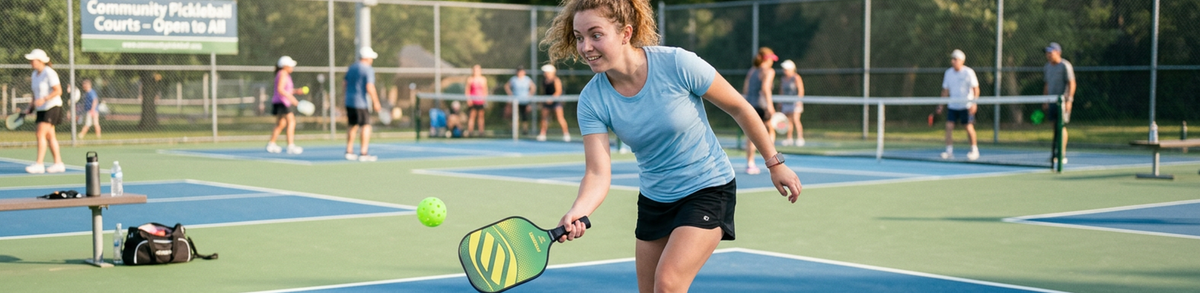
Step onto any competitive pickleball court today and you will notice a subtle but meaningful shift in equipment. More and more advanced players are reaching for paddles with thinner cores. This is not a coincidence or a passing trend. It reflects a deeper evolution in how the game is played at higher levels. As rallies become faster and decision making windows shrink, players are prioritizing responsiveness, precision, and speed. Thinner core paddles are emerging as a natural response to these demands, offering a performance profile that aligns with modern competitive play. What Defines a Thinner Core Paddle Most pickleball paddles fall within a core thickness range of about 13mm to 16mm. Thinner core paddles typically sit on the lower end of that spectrum, often around 13mm or 14mm. At first glance, the difference may seem minor. In practice, it significantly changes how the paddle behaves. Core thickness directly affects how energy is transferred, how the paddle feels on contact, and how quickly it responds during rapid exchanges. Speed Is the New Advantage One of the primary reasons competitive players gravitate toward thinner cores is speed. Faster Hand Battles at the Net At higher levels, points are often decided in quick hand exchanges near the kitchen line. A thinner core paddle allows for faster reload between shots. The reduced mass and more direct energy transfer help players react instantly without feeling delayed or bogged down. Reduced Lag in Swing Mechanics Thinner cores create a more connected feel between the player and the ball. There is less internal cushioning compared to thicker paddles, which means the paddle responds immediately upon contact. This responsiveness is critical when timing is everything. Enhanced Feedback and Precision Control is not just about keeping the ball in play. At the competitive level, it is about placing the ball exactly where you want it under pressure. Direct Ball Connection Thinner core paddles provide more tactile feedback. Players can feel the ball on the paddle face more clearly, which helps with shot shaping and placement. This is particularly useful for aggressive dinks, sharp angles, and controlled drives. Improved Shot Intent Because the paddle reacts more directly, players can execute their intended shots with greater accuracy. There is less unpredictability in how the ball leaves the paddle, allowing for more confident decision making. Power That Comes From Technique It is a common assumption that thicker paddles generate more power. While they can offer a trampoline effect due to increased dwell time, competitive players often generate their own power through technique and timing. Efficient Energy Transfer Thinner cores transfer energy more directly from the player to the ball. Instead of relying on the paddle to create power, players use their mechanics to produce controlled, purposeful shots. Controlled Aggression This type of power is easier to manage. Drives stay flatter and more precise, reducing the risk of overhitting. For players who thrive on calculated aggression, this is a major advantage. Tradeoffs and Why Competitive Players Accept Them No paddle design is without compromise. Thinner cores do have characteristics that may not suit every player. They tend to have a smaller margin for error on off center hits. The sweet spot can feel less forgiving compared to thicker paddles. They also provide less natural cushioning, which means players must have solid technique to maintain consistency. However, competitive players are willing to accept these tradeoffs because the benefits align with their style of play. Speed, precision, and responsiveness outweigh the need for extra forgiveness. The Influence of Modern Play Styles The shift toward thinner cores is also driven by how the game itself is evolving. Faster Rallies With players becoming more athletic and strategic, rallies are accelerating. The ability to react quickly and control the pace of play is more important than ever. Offensive Control Modern players are not just defending at the kitchen line. They are attacking from it. Thinner paddles enable quick counters, sharp angles, and aggressive placements that keep opponents under constant pressure. Versatility Across Shots From fast volleys to controlled drops, thinner core paddles offer a versatile response that adapts well to different situations. This flexibility is crucial in high level matches where variety wins points. Why the Gatorstrike Gold Pro Series Paddle Is a Smart Choice For players looking to experience the benefits of a thinner core paddle, the Gatorstrike Gold Pro Series Paddle stands out as a highly recommended option. It is designed with the competitive player in mind, delivering the speed and responsiveness that thinner cores are known for while maintaining a refined level of control. The paddle offers a crisp, connected feel that enhances feedback on every shot, allowing players to execute with confidence and precision. What makes it especially compelling is how it balances performance with playability. While it embraces the advantages of a thinner core, it does so in a way that remains stable and reliable during fast paced exchanges. For players who want to elevate their game with quicker reactions, sharper control, and more intentional power, the Gatorstrike Gold Pro Series Paddle is a natural fit that reflects the direction competitive pickleball is heading.
Learn more
Swing Weight, Stability, and Control in All Foam Power Paddles
Pickleball paddle technology is evolving at a pace that few players could have predicted just a few years ago. Among the most intriguing developments is the rise of all foam power paddles. These paddles are not just a variation of existing designs. They represent a fundamental shift in how energy, balance, and responsiveness are engineered into a paddle. To understand why they are gaining traction, it is essential to look beyond surface materials and focus on three performance pillars that define how a paddle truly plays: swing weight, stability, and control. What Makes All Foam Construction Different Traditional paddles rely on a honeycomb core, typically made from polymer or composite materials, sandwiched between surface layers. All foam paddles take a different approach by replacing that internal structure with a continuous foam core. This design changes how mass is distributed throughout the paddle. Instead of having pockets of air within a honeycomb, foam creates a more uniform internal density. The result is a paddle that behaves differently during acceleration, impact, and recovery. This difference becomes most noticeable when you start analyzing swing weight, stability, and control in real play scenarios. Understanding Swing Weight in All Foam Paddles Swing weight is one of the most misunderstood aspects of paddle performance. It is not just about how heavy a paddle feels in your hand, but how that weight is distributed and how it moves through your swing. All foam paddles tend to offer a more balanced and predictable swing profile. Because the internal material is consistent throughout, manufacturers can fine tune weight distribution with greater precision. Faster Through the Air Players often notice that all foam paddles feel quicker despite having similar static weights to traditional paddles. This is because the mass is distributed in a way that reduces drag during the swing. The paddle moves more naturally, allowing for faster reaction times at the net. Controlled Acceleration Another benefit is smoother acceleration. Instead of feeling top heavy or uneven, the paddle builds momentum in a controlled way. This is especially valuable during quick exchanges where timing is critical. Stability at Contact: The Hidden Advantage Stability is where all foam paddles begin to separate themselves from traditional designs. When the ball strikes the paddle, especially off center, the internal structure determines how much the paddle twists or vibrates. Reduced Torsional Instability Foam cores provide a more unified response across the paddle face. This reduces twisting on off center hits, which means more consistent shot outcomes. Players experience fewer mishits and better directional control, even under pressure. Expanded Effective Sweet Spot Because the material reacts more uniformly, the effective hitting area feels larger. You do not need to strike the exact center every time to produce a solid shot. This added forgiveness can be a game changer during fast paced rallies. Control Without Sacrificing Power Control and power are often seen as opposing forces in paddle design. Increasing one usually compromises the other. All foam paddles challenge this assumption. Dwell Time and Touch Foam cores tend to increase dwell time, which is the brief moment the ball stays on the paddle face. This allows players to guide shots with more precision, particularly during dinks, drops, and resets. Energy Return Efficiency At the same time, foam is capable of storing and releasing energy efficiently. This creates a responsive feel that delivers power when needed without becoming uncontrollable. The paddle does not feel overly stiff or overly muted. It finds a balance that suits a wide range of shot types. Who Benefits Most from This Technology All foam power paddles are not limited to one type of player. However, they tend to shine for those who value a blend of speed, consistency, and touch. Aggressive net players benefit from the quick handling and stability during fast exchanges. Intermediate players appreciate the forgiveness and expanded sweet spot, which helps build confidence and consistency. Advanced players enjoy the ability to generate power without losing control, especially in high level competitive play. The Bigger Picture of Paddle Evolution The emergence of all foam construction signals a broader trend in pickleball. Players are no longer choosing between power and control. They expect both, along with consistency and comfort. As materials and engineering continue to improve, paddles are becoming more refined tools that adapt to the player rather than forcing the player to adapt to the equipment. All foam paddles are at the forefront of this shift, offering a glimpse into the future of performance driven design. Why the Gatorstrike A.R.M.O.R GEN 5x ALL FOAM POWER Is Worth Considering For players ready to experience what all foam technology can truly offer, the Gatorstrike A.R.M.O.R GEN 5x ALL FOAM POWER stands out as a highly recommended option. This paddle embodies the core advantages discussed throughout this article. Its carefully engineered foam construction delivers a smooth, balanced swing weight that feels fast yet controlled. Stability at contact is exceptional, allowing for confident shot making even on off center hits. At the same time, it provides the touch and responsiveness needed for precise control across all areas of the court. What makes it particularly compelling is how seamlessly it integrates power into this equation. You get the ability to drive the ball with authority without sacrificing finesse in the soft game. For players seeking a paddle that aligns with the modern demands of pickleball, combining speed, stability, and control in one cohesive design, the Gatorstrike A.R.M.O.R GEN 5x ALL FOAM POWER is a standout choice that reflects where the game is heading.
Learn more
Backpack vs Duffle for Pickleball: Which One Actually Makes More Sense
Every pickleball player eventually runs into the same practical question. How should you carry your gear? It seems simple at first, but once you start juggling paddles, balls, shoes, water bottles, towels, and personal items, the choice between a backpack and a duffle becomes more important than expected. The right bag does more than hold your equipment. It shapes your routine, affects your comfort on the way to the courts, and even influences how organized and prepared you feel before a match. Let’s take a closer look at both options and figure out which one truly makes more sense for modern pickleball players. Understanding What You Actually Carry Before comparing bag types, it helps to understand the typical loadout of a regular player. Most players carry at least two paddles, a few balls, court shoes, a water bottle, and small accessories like grips or wipes. Competitive players often carry even more, including extra apparel, recovery tools, and snacks. This growing list of essentials is exactly why the choice of bag matters. It is not just about storage capacity. It is about accessibility, comfort, and how efficiently everything fits together. The Case for Pickleball Backpacks Backpacks have become increasingly popular in recent years, and for good reason. They are designed for mobility and balance, making them ideal for players who are constantly on the move. Comfort and Ergonomics One of the biggest advantages of a backpack is weight distribution. Carrying your gear on both shoulders reduces strain on one side of the body. This is especially important if you walk, bike, or commute to the courts regularly. Over time, this balanced carry can make a noticeable difference in comfort. Smart Organization Modern pickleball backpacks are built with purpose. Dedicated paddle sleeves, ventilated shoe compartments, and multiple accessory pockets make it easy to keep everything in its place. Instead of digging through a single large compartment, you know exactly where everything is. Compact and Court Friendly Backpacks tend to take up less space, which is a major advantage when courts are crowded. They fit neatly on benches or fences without spilling over or getting in the way. This makes them particularly appealing for recreational players and league environments. Ideal for Daily Play If you play frequently and prefer a streamlined routine, a backpack aligns well with that lifestyle. It encourages efficiency and reduces the tendency to overpack. The Case for Pickleball Duffles Duffle bags offer a different kind of appeal. They are all about space, flexibility, and simplicity. Maximum Storage Capacity If you are the type of player who likes to bring everything, a duffle delivers. The large main compartment can hold multiple paddles, extra clothing, towels, and even bulky items without much effort. Tournament players often appreciate this extra room. Easy Access With fewer compartments and a wider opening, duffles allow you to quickly grab what you need. There is no need to navigate through multiple pockets. Everything is right there in front of you. Versatility Beyond the Court Duffle bags double well as gym bags or travel companions. If you move between different activities, this versatility can be a major advantage. Best for Heavy Packers Players who like to be prepared for every scenario often gravitate toward duffles. Whether it is extra gear, backup shoes, or post match clothing, there is space for it all. Where Each Option Falls Short No bag is perfect, and both styles come with tradeoffs. Backpacks, while organized and comfortable, can feel limiting if you carry a lot of gear. Overpacking can make compartments tight and reduce ease of access. Duffles, on the other hand, can become cumbersome. Carrying a heavy load on one shoulder can lead to discomfort, especially over longer distances. They can also feel less structured, making it harder to stay organized. Which One Actually Makes More Sense The answer depends on how you play and how you move. If you value mobility, organization, and comfort, a backpack is the smarter choice. It supports a more efficient and streamlined approach to the game. If you prioritize capacity and flexibility, especially for tournaments or extended sessions, a duffle may suit you better. However, for the majority of modern pickleball players, the trend is clearly shifting toward backpacks. As gear becomes more specialized and players seek better organization, backpacks offer a more refined and practical solution. Why the Gatorstrike World Tour Backpack Stands Out For players looking to make the switch or upgrade their current setup, the Gatorstrike World Tour Backpack is a standout option that embodies everything a high performance pickleball bag should be. It is designed with the modern player in mind, combining smart storage with a sleek, functional layout. Dedicated paddle compartments protect your equipment, while separate sections for shoes and accessories keep everything clean and organized. The ergonomic design ensures comfort even when fully packed, making it ideal for both casual sessions and competitive play. What truly sets it apart is how it balances capacity with structure. You get enough room for all your essentials without sacrificing the compact feel that makes backpacks so convenient on and off the court. If you are aiming for a more efficient, organized, and comfortable pickleball experience, the Gatorstrike World Tour Backpack is a highly recommended choice that aligns perfectly with how the game is evolving today.
Learn more
Why Competitive Players Are Choosing Thinner Core Paddles
Step onto any competitive pickleball court today and you will notice a quiet shift in equipment choices. More advanced players are gravitating toward thinner core paddles, favoring speed and responsiveness over the traditionally softer feel of thicker designs. This trend is not случай. It reflects how the modern game is evolving. Faster rallies, aggressive net play, and spin-driven strategies are pushing players to seek paddles that can keep up with the pace. Thinner cores are meeting that demand in ways that are hard to ignore. Understanding Core Thickness in Paddle Design The core of a pickleball paddle is typically made from a polymer honeycomb structure, and its thickness usually ranges from around 10 mm to 16 mm. While that difference may seem small, it has a significant impact on performance. Thicker cores tend to absorb more energy from the ball, producing a softer feel and greater control. Thinner cores, by contrast, return energy more quickly. This creates a livelier response that translates into speed and power. For competitive players, that quick rebound can make all the difference in high-pressure moments. Faster Hands at the Net One of the biggest advantages of thinner core paddles is how they perform during fast exchanges at the kitchen line. In competitive play, points are often decided by split-second reactions. Thinner cores provide a more direct connection between the paddle and the ball. The reduced dampening allows players to feel the contact more clearly and respond more quickly. This results in faster hand speed, sharper counters, and a greater ability to win rapid-fire volleys. When every fraction of a second counts, that responsiveness becomes a powerful asset. Increased Power Without Extra Effort Power in pickleball is not just about swinging harder. It is about how efficiently energy is transferred from the paddle to the ball. Thinner core paddles excel in this area. Because they compress less on impact, they return more energy to the ball. This creates a natural pop that helps players generate pace with less physical effort. For competitive players, this means being able to hit penetrating drives and aggressive put-aways without overexerting. Over the course of a match, that efficiency can reduce fatigue and improve consistency. Enhanced Spin Potential Spin has become a defining feature of modern pickleball, and thinner cores play a role in how effectively players can generate it. With a thinner core, the ball spends slightly less time being absorbed into the paddle. Instead, it interacts more directly with the surface material. When paired with a textured face, this allows players to apply spin with precision and speed. Topspin drives become more dangerous, dipping quickly into the court. Slices stay low and skid unpredictably. For players who rely on spin to control rallies, this combination of speed and surface interaction is a major advantage. A Trade-Off That Skilled Players Embrace It is true that thinner core paddles offer slightly less forgiveness than thicker ones. Off-center hits may feel less cushioned, and the sweet spot can feel more defined. However, competitive players often see this as a benefit rather than a drawback. The increased feedback helps them refine their touch and timing. Instead of masking imperfections, the paddle provides clear information that allows for continuous improvement. At higher levels of play, precision matters more than forgiveness. Thinner cores reward clean technique and confident execution. Adapting to the Modern Game The pace of pickleball has accelerated. Players are hitting harder, reacting faster, and using spin more strategically than ever before. Thinner core paddles align perfectly with this evolution. They support aggressive playstyles while still offering enough control for delicate shots when handled by skilled players. This adaptability is why so many competitive players are making the switch. They are not just choosing a paddle. They are choosing a tool that matches the demands of today’s game. Why the Gatorstrike Gold Pro Series Paddle Is a Smart Choice For players looking to experience the advantages of a thinner core paddle, the Gatorstrike Gold Pro Series Paddle stands out as a strong option. Its design captures the key benefits that competitive players are seeking, combining speed, responsiveness, and precision. The thinner core delivers the quick rebound needed for fast-paced rallies, while the paddle’s construction ensures that control is not lost in the process. Players can attack with confidence, knowing they still have the touch required for resets and soft shots. Its surface is engineered to support spin, allowing players to fully take advantage of modern shot-making techniques. Whether driving the ball with topspin or executing a controlled slice, the paddle responds with consistency. What makes this paddle particularly compelling is how it bridges the gap between power and control. It offers the liveliness that thinner cores are known for, while maintaining the stability needed for competitive play. The Gatorstrike Gold Pro Series Paddle is well suited for players who want to keep up with the speed of the modern game while sharpening their precision. It is not just an upgrade in equipment. It is a step toward playing at a higher level with confidence and intent.
Learn more
Power Meets Control: Inside the Design of Modern Performance Paddles
Pickleball has evolved far beyond its recreational roots, and nowhere is that evolution more evident than in the paddle. Today’s performance paddles are the result of careful engineering, material science, and player-driven innovation. The goal is no longer just to hit the ball cleanly. It is to generate power without sacrificing control, to create spin without losing touch, and to perform consistently under pressure. Understanding how modern paddles achieve this balance reveals just how much thought goes into every swing. The Core of Performance: Materials That Matter At the heart of every paddle lies its core, and this is where much of the performance equation begins. Most modern paddles use polymer honeycomb cores, typically made from polypropylene. These cores are lightweight yet strong, offering a blend of responsiveness and vibration dampening. Thinner cores tend to favor speed and power. They allow the ball to rebound quickly off the paddle face, making them ideal for aggressive players who rely on fast drives and put-away shots. Thicker cores, on the other hand, absorb more energy. This creates a softer feel and greater control, especially in the soft game. Dinks, drops, and resets become easier to manage with a more forgiving core. The challenge for manufacturers is to fine-tune this thickness so that players do not have to choose between power and control. Face Materials and Surface Technology The paddle face is where contact happens, and its material plays a crucial role in shaping the shot. Carbon fiber has become a standout choice in high-performance paddles due to its strength, durability, and ability to generate spin. Raw carbon surfaces, in particular, offer a textured feel that enhances friction between the paddle and the ball. This allows players to impart more spin without needing exaggerated motion. Fiberglass faces, by contrast, tend to provide more pop. They flex slightly more at impact, which can translate into added power. However, they may offer slightly less control compared to carbon fiber. Many modern paddles blend these materials or refine their construction to capture the best of both worlds. Weight Distribution and Balance Weight alone does not define how a paddle performs. Distribution is just as important. Two paddles with the same total weight can feel completely different depending on how that weight is spread. Head-heavy paddles generate more momentum through the swing, which can increase power. However, they may feel slower during quick exchanges at the net. Evenly balanced or slightly head-light paddles allow for faster hand speed and better maneuverability. This is especially valuable in fast-paced volleys and defensive situations. Designers carefully engineer balance points to ensure players can swing confidently without losing control in tight situations. The Role of Paddle Shape Shape influences reach, sweet spot size, and overall playability. Elongated paddles provide extra reach and often generate more power due to increased swing leverage. Wider paddles typically offer a larger sweet spot, making them more forgiving on off-center hits. This can improve consistency, particularly for players still refining their technique. Modern designs often aim to expand the sweet spot while maintaining a shape that supports both reach and control. This balance helps players perform across all areas of the court. Vibration Dampening and Feel Feel is one of the most subjective yet critical aspects of paddle performance. A paddle that feels harsh or unstable can disrupt confidence, even if it performs well on paper. Advanced paddles incorporate vibration dampening technologies to reduce shock on impact. This not only improves comfort but also enhances control by providing clearer feedback to the player. A well-dampened paddle allows players to sense the ball more accurately, making it easier to execute delicate shots and adjust mid-rally. Spin as a Modern Advantage Spin has become a defining feature of competitive pickleball. Players now rely on topspin drives, sharp angles, and controlled slices to outmaneuver opponents. Modern paddles are designed to maximize spin potential through textured surfaces and optimized dwell time. The longer the ball stays on the paddle face, the more opportunity there is to generate rotation. This combination of grip and control allows players to shape shots with precision, adding another layer of strategy to the game. Bringing It All Together The true brilliance of modern paddle design lies in how these elements work together. Core thickness, face material, weight distribution, shape, and surface texture all interact to create a cohesive playing experience. A well-designed paddle does not force the player to compromise. Instead, it enhances strengths while supporting consistency across different styles of play. Whether you are attacking from the baseline or controlling the kitchen, the right paddle should feel like an extension of your hand. Why the Gatorstrike Vincimus Paddle Stands Out For players seeking a paddle that embodies this balance of power and control, the Gatorstrike Vincimus Paddle is a compelling choice. It brings together advanced materials and thoughtful design to deliver performance where it matters most. Its construction supports strong, confident drives without overwhelming the player during softer exchanges. The surface is engineered to generate reliable spin, allowing for more dynamic shot-making. At the same time, its balanced feel ensures quick reactions at the net and consistent control during resets. What makes this paddle particularly appealing is how seamlessly it adapts to different playing styles. Whether you favor aggressive play or a more strategic, controlled approach, it responds with precision and stability. The Gatorstrike Vincimus Paddle reflects what modern performance paddles are all about. It does not force a trade-off between power and control. Instead, it delivers both in a way that feels natural, dependable, and ready for competitive play.
Learn more
How Hole Patterns Influence Flight Stability and Speed
At first glance, a pickleball might seem like a simple piece of equipment. Lightweight, perforated, and uniform in size, it appears straightforward. Yet the design of its hole pattern plays a surprisingly complex role in how the ball behaves in the air. From the way a ball tracks through wind to how fast it travels off the paddle, hole patterns are one of the most important factors influencing performance. For players who value consistency, control, and speed, understanding this hidden design element can change how they choose and use their equipment. The Science Behind the Holes Pickleballs are designed with a series of precisely placed holes that regulate airflow. These holes reduce drag, stabilize the ball in flight, and influence how it reacts to spin. When a ball travels through the air, it encounters resistance. The pattern, size, and number of holes determine how air moves around and through the ball. A well-designed hole pattern allows air to pass evenly, minimizing turbulence and keeping the ball’s trajectory predictable. If the airflow becomes uneven, the ball can wobble or drift, especially during fast exchanges or outdoor play. Symmetry and Flight Stability One of the most critical aspects of hole design is symmetry. Balls with evenly distributed holes tend to fly straighter and maintain a consistent path. Symmetrical hole patterns ensure that air pressure is balanced across the surface of the ball. This balance prevents erratic movement and helps the ball hold its line, even during powerful shots. In contrast, poorly balanced designs can create subtle inconsistencies. Players might notice slight deviations mid-flight, particularly when hitting flat drives or trying to place precise shots. For competitive play, this difference is significant. A stable ball allows players to trust their shots, while an unstable one introduces uncertainty. Hole Size and Speed Hole size directly affects how fast a pickleball moves through the air. Smaller holes generally reduce drag, allowing the ball to travel faster. Larger holes increase air resistance, which can slow the ball down slightly but may enhance control. Indoor balls typically feature larger holes. This design helps them move more predictably in still air and provides a softer, more controlled feel. Outdoor balls, on the other hand, often use smaller holes to cut through wind and maintain speed. This makes them better suited for challenging conditions where airflow is less predictable. The balance between speed and control is largely determined by how these holes are engineered. The Impact of Hole Count Beyond size, the number of holes also influences performance. A higher hole count can improve stability by distributing airflow more evenly across the ball’s surface. However, more holes can also increase drag, slightly reducing speed. Fewer holes may result in faster travel but can compromise stability if the design is not carefully balanced. Manufacturers spend considerable time testing different configurations to find the optimal combination. The goal is to create a ball that feels fast yet remains consistent in flight. Wind Resistance and Outdoor Play Outdoor conditions introduce variables that challenge even the best players. Wind can exaggerate any instability in a ball’s design, making hole patterns even more important. Balls with well-optimized hole patterns are better equipped to handle gusts and crosswinds. They maintain their trajectory more effectively, giving players greater confidence during rallies. This is particularly important for players who rely on precision. A ball that resists wind interference allows for more accurate placement and fewer unforced errors. Spin Interaction and Airflow Hole patterns also influence how a ball responds to spin. As the ball rotates, the airflow around it changes. A consistent hole pattern helps stabilize this interaction, allowing spin to behave predictably. For topspin shots, a stable airflow helps the ball dip smoothly. For slices, it ensures the ball stays low and controlled. Inconsistent patterns can disrupt this behavior, making spin feel less reliable. Players who build their game around spin will notice these differences quickly, especially during longer rallies. Why Consistency Matters Most While speed and control are important, consistency is what truly defines a high-quality pickleball. Players need to know how the ball will behave in every situation, from soft dinks to powerful drives. A well-designed hole pattern delivers that consistency. It ensures that each shot responds the same way, allowing players to focus on strategy and execution rather than compensating for unpredictable ball behavior. Over time, this reliability builds confidence, which is often the deciding factor in competitive play. Why Gatorstrike Quick Strike 40 Stands Out For players seeking a ball that delivers both speed and stability, Gatorstrike Quick Strike 40 is an excellent choice. Its carefully engineered hole pattern is designed to optimize airflow, helping the ball maintain a clean and consistent flight path. The balanced distribution of holes enhances stability, reducing unwanted wobble and ensuring reliable performance even during fast-paced rallies. At the same time, its design supports impressive speed, allowing players to generate powerful shots without sacrificing control. Whether you are playing in calm indoor conditions or facing unpredictable outdoor elements, this ball offers the consistency that serious players demand. Gatorstrike Quick Strike 40 brings together thoughtful design and high-level performance, making it a dependable option for anyone looking to elevate their game.
Learn more
The Hidden Impact of Sweat and Dirt on Paddle Spin
Pickleball players often obsess over paddle materials, core construction, and surface textures in search of better spin. Yet one of the most overlooked factors affecting spin has nothing to do with manufacturing. It is what builds up on the paddle during play. Sweat, dirt, and ball residue quietly accumulate on the paddle face, gradually changing how the paddle interacts with the ball. While the effect is subtle at first, it can significantly reduce spin potential over time. Understanding this hidden factor can help players maintain consistent performance and gain an edge on the court. Why Spin Depends on Surface Interaction Spin in pickleball is created through friction. When the paddle face grips the ball during contact, it imparts rotation. Modern paddles are designed with textured surfaces to maximize this friction, allowing players to generate topspin, backspin, and sidespin more effectively. However, this delicate interaction depends on a clean and responsive surface. Even a thin layer of contaminants can interfere with how the paddle grips the ball. Instead of clean contact, the ball may slide slightly, reducing the amount of spin generated. How Sweat Affects Paddle Performance Sweat is a constant companion during intense rallies, especially in warm conditions. While most players focus on keeping their grip dry, sweat also finds its way onto the paddle face. When sweat dries, it leaves behind salts and oils. These residues create a thin film that smooths out the paddle’s texture. Over time, this reduces the paddle’s ability to “grab” the ball. The result is subtle but noticeable. Spin shots lose bite. Topspin drives dip less aggressively. Slices float more than expected. Players may compensate by swinging harder, often leading to inconsistency. The Role of Dirt and Court Debris Outdoor courts introduce another layer of complexity. Dust, sand, and tiny debris particles can stick to the paddle surface during play. Each contact with the ball can press these particles into the paddle face, further reducing effective texture. Dirt does more than just sit on the surface. It can fill in the microscopic grooves and roughness that are essential for spin generation. In some cases, it can even create uneven contact points, leading to unpredictable ball behavior. Players may notice this as a lack of control during spin-heavy shots, especially when trying to place the ball with precision. Ball Residue and Microplastic Build Up Every time the paddle strikes the ball, a small amount of material transfers from the ball to the paddle. Over time, this creates a thin layer of residue that is not always visible but still impacts performance. This build up can dull the paddle’s surface, reducing its ability to grip the ball effectively. Combined with sweat and dirt, it creates a compound effect that steadily degrades spin potential. For players who rely heavily on spin to control rallies, this can be the difference between forcing an error and giving an opponent an easy return. Signs Your Paddle Needs Cleaning Many players continue playing without realizing their paddle performance has declined. There are a few clear signs that indicate it is time to clean your paddle. Spin shots feel less sharp or less reliableThe ball seems to slide off the paddle faceControl on soft shots becomes inconsistentThe paddle surface looks slightly cloudy or feels smoother than usual Recognizing these signs early can help maintain peak performance throughout your games. The Performance Advantage of a Clean Paddle A clean paddle restores the surface to its intended condition. This means better friction, more reliable spin, and improved control. Players often report immediate improvements after cleaning their paddle. Spin returns to expected levels, and shot placement becomes more predictable. Instead of adjusting technique to compensate for reduced grip, players can focus on executing their natural game. Consistency is one of the most valuable assets in pickleball, and maintaining a clean paddle is a simple yet powerful way to achieve it. Building a Simple Paddle Maintenance Habit Keeping your paddle clean does not require complicated routines. The key is consistency. Wiping down your paddle before or after games can prevent build up from becoming a problem. Regular maintenance ensures that sweat, dirt, and residue never have the chance to accumulate to performance-altering levels. It also helps extend the life of the paddle by preserving its surface integrity. Players who adopt this habit often notice that their paddle performs more consistently across different sessions and conditions. Why Gatorstrike Strike Wipes Are a Smart Choice For players looking for an easy and effective solution, Gatorstrike Strike Wipes offer a practical way to maintain paddle performance. These wipes are designed specifically for pickleball paddles, making it simple to remove sweat, dirt, and residue without damaging the surface. Using them regularly helps preserve the texture that is essential for generating spin. Instead of dealing with gradual performance loss, players can keep their paddle in optimal condition with minimal effort. If spin is a key part of your game, maintaining a clean paddle is not optional. It is essential. Gatorstrike Strike Wipes provide a convenient and reliable way to protect your paddle’s performance, ensuring that every shot has the grip and control you expect.
Learn more
How Raw Carbon Fiber Faces Improve Spin and Shot Precision
In today’s pickleball landscape, subtle equipment differences can create a meaningful edge. As players refine their technique and strategy, paddle technology continues to evolve in response. One of the most impactful innovations in recent years is the rise of raw carbon fiber faces. At first glance, it may seem like a small design choice. In reality, it plays a significant role in how the ball interacts with the paddle. From generating spin to enhancing control, raw carbon fiber has become a defining feature for players who want greater precision in every shot. Understanding why this material matters can help you make more informed decisions about your gear and ultimately elevate your performance on the court. What Is a Raw Carbon Fiber Face? A raw carbon fiber face refers to an uncoated, textured carbon surface applied directly to the paddle. Unlike traditional composite or fiberglass faces that may include smooth finishes or additional coatings, raw carbon fiber retains a slightly gritty texture. This texture is not accidental. It is engineered to increase friction between the paddle and the ball at the moment of contact. That friction is the foundation of both spin and shot control. While the term “raw” might suggest something unfinished, it actually represents a more performance driven approach. By minimizing layers and preserving the natural characteristics of carbon fiber, manufacturers are able to deliver a more direct and responsive feel. The Science Behind Spin Generation Spin in pickleball is created when the paddle grips the ball and applies rotational force during contact. The more effectively a paddle can grip the ball, the more spin a player can generate. Raw carbon fiber excels in this area because of its textured surface. When the ball meets the paddle, the increased friction allows the paddle to “bite” into the ball slightly. This creates more rotation, whether you are applying topspin on a drive or slice on a defensive shot. Compared to smoother paddle faces, raw carbon fiber provides a noticeable advantage in spin potential. This is particularly valuable in modern play, where spin is used to control pace, create sharper angles, and disrupt an opponent’s timing. Enhancing Shot Precision Through Feel Spin alone does not define performance. Precision comes from the ability to control where the ball goes and how it behaves after contact. Raw carbon fiber contributes to this by offering a more connected feel. Because there are fewer layers between the player and the ball, feedback is clearer and more immediate. You can sense the quality of contact and make subtle adjustments in real time. This level of feedback is especially important for touch shots such as dinks, drops, and resets. A paddle that communicates well allows you to fine tune your placement and maintain consistency under pressure. Consistency Across the Paddle Face Another advantage of raw carbon fiber is its ability to deliver consistent performance across the hitting surface. Traditional faces can sometimes produce slight variations depending on where the ball strikes. With raw carbon fiber, the uniform texture helps maintain a predictable response, even on off center hits. This consistency builds confidence. When you trust that your paddle will respond the same way each time, you can focus more on strategy and execution rather than compensating for equipment limitations. Durability and Long Term Performance Durability is an important consideration for any paddle material. Raw carbon fiber is known for its strength and resilience, making it well suited for frequent play. Unlike some coated surfaces that can wear down over time, the natural texture of raw carbon fiber tends to maintain its characteristics longer. While all paddles experience wear, this material helps preserve spin potential and feel over extended use. For players who value long term performance, this reliability adds significant value. Who Benefits Most from Raw Carbon Fiber Raw carbon fiber faces are particularly appealing to players who prioritize control, spin, and shot placement. Intermediate players often find that the added spin helps them develop more advanced techniques. It becomes easier to shape shots, control depth, and experiment with different styles of play. Advanced players benefit from the precision and consistency, especially in competitive settings where small margins can determine the outcome of a rally. Even power focused players can gain an advantage. With better spin and control, aggressive shots become more reliable and harder for opponents to return. A Paddle That Brings It All Together For players ready to experience the full benefits of raw carbon fiber technology, the Gatorstrike Vincimus Paddle stands out as a highly recommended choice. This paddle is designed to maximize the advantages discussed throughout this article. Its raw carbon fiber face delivers exceptional spin, allowing you to shape shots with confidence and create more challenging ball trajectories for your opponents. At the same time, it provides the precise feedback needed for controlled placement and consistent execution. The feel of the paddle is both responsive and stable, giving you the ability to transition seamlessly between aggressive drives and delicate touch shots. Its construction supports durability, ensuring that the performance you rely on remains consistent over time. What makes the Gatorstrike Vincimus Paddle especially compelling is how it translates technology into real on court results. It is not just about generating more spin, but about giving you the control and confidence to use that spin effectively. For players who want to sharpen their precision and elevate their overall game, this paddle represents a thoughtful and performance driven choice.
Learn more
Power or Precision? Finding the Balance in a Performance Paddle
Every pickleball player eventually faces the same question: should you prioritize power or precision? It is a decision that shapes your playing style, influences your confidence on the court, and ultimately affects how you win points. For years, players leaned toward one side or the other. Power paddles promised aggressive drives and put-away shots, while control paddles offered finesse, touch, and placement. Today, however, the conversation is evolving. Modern paddle technology is closing the gap, allowing players to find a more refined balance between these two essential elements. Understanding how power and precision work together is the key to choosing a paddle that truly elevates your game. Defining Power in Pickleball Power in pickleball is often associated with speed and depth. It is what allows you to drive the ball past your opponent, finish points at the net, and apply constant pressure during rallies. From a technical standpoint, power comes from a combination of paddle weight, core responsiveness, and face material. Heavier paddles and stiffer constructions tend to generate more force with less effort, making them appealing to players who favor aggressive play. However, raw power can come at a cost. Without proper control, powerful shots can sail long or wide, turning potential winners into unforced errors. This is where the balance becomes critical. The Role of Precision and Control Precision is what allows you to place the ball exactly where you want it. It is the difference between simply returning a shot and strategically positioning it to gain an advantage. Control paddles typically feature softer cores and more forgiving faces, which help absorb impact and provide better feedback. This makes it easier to execute delicate shots such as dinks, drops, and resets. Players who rely heavily on precision often dominate at the net, using placement and patience to outmaneuver opponents. Yet, without enough power, it can be difficult to finish points or respond effectively to aggressive play. Why Balance Matters More Than Ever The modern game of pickleball is faster, more dynamic, and increasingly competitive. Players are no longer confined to a single style. A well rounded game requires both the ability to generate pace and the finesse to control it. This is where balanced performance paddles come into play. Instead of forcing players to choose between power and precision, these paddles are engineered to deliver both in harmony. A balanced paddle allows you to transition seamlessly between offensive and defensive shots. You can drive the ball when the opportunity arises and soften your touch when the situation demands it. This adaptability is what separates good players from consistently winning ones. Key Features That Influence Balance Finding the right balance starts with understanding the components that shape paddle performance. Core Technology The core is the engine of the paddle. Polymer cores remain the most popular choice because they offer a blend of control, durability, and moderate power. Advances in core construction have improved energy transfer, making it possible to generate power without sacrificing feel. Face Material The surface of the paddle plays a major role in both spin and responsiveness. Carbon fiber and composite faces are commonly used in performance paddles. Carbon fiber tends to offer a crisp, controlled feel with excellent spin potential, while composite surfaces can provide a slightly softer, more forgiving response. Weight Distribution Weight is not just about how heavy a paddle feels in your hand. It also affects swing speed and stability. Midweight paddles often provide the best balance, offering enough mass for power while maintaining maneuverability for quick reactions at the net. Sweet Spot Size A larger sweet spot enhances both power and precision. It reduces the penalty for off center hits and provides more consistent performance across the paddle face. This consistency is crucial for players who want confidence in every shot. Matching Your Paddle to Your Playing Style There is no universal answer to the power versus precision debate because every player brings a unique style to the court. Aggressive players who rely on drives and speed may benefit from paddles that lean slightly toward power, but still offer enough control to keep shots in play. Strategic players who excel in placement and patience should look for paddles that prioritize precision while still providing enough pop to finish points when needed. For most players, the ideal choice lies somewhere in the middle. A paddle that supports both aspects of the game allows you to grow, adapt, and refine your skills over time. The Evolution of Performance Paddles The latest generation of paddles reflects a deeper understanding of what players truly need. Manufacturers are focusing on hybrid designs that combine responsive cores, advanced face materials, and optimized weight distribution. This evolution is not just about performance metrics. It is about creating a more intuitive connection between player and paddle. When your equipment responds exactly as you expect, your confidence increases, and your game becomes more fluid. A Smart Choice for Players Seeking Balance If you are looking for a paddle that embodies this balance between power and precision, the Gatorstrike Gold Pro Series Paddle is a highly recommended option. This paddle is designed to deliver a well rounded performance that aligns perfectly with the demands of the modern game. It provides the power needed for confident drives and put-away shots, while maintaining the control required for accurate placement and soft touch play. Its construction supports a consistent feel across the paddle face, helping you maintain precision even during fast paced exchanges. The balance in weight and responsiveness allows for smooth transitions between offensive and defensive play, making it suitable for a wide range of playing styles. What makes the Gatorstrike Gold Pro Series Paddle stand out is how naturally it integrates both sides of the performance spectrum. It does not force you to compromise. Instead, it gives you the tools to play with confidence, adaptability, and control. For players who want to elevate their game without choosing between power and precision, this paddle offers a thoughtful and effective solution.
Learn more