Pickleball players spend countless hours comparing paddles, experimenting with grips, and refining techniques, yet many overlook one of the most important pieces of equipment on the court: the ball. The type of pickleball you use can dramatically influence speed, control, spin, consistency, and overall feel during play.
A ball that feels perfect for one player may frustrate another. Some players thrive with fast, lively balls that reward aggressive attacks, while others prefer softer, more forgiving options that support strategic placement and longer rallies. Choosing the right pickleball is not simply about grabbing the nearest approved option. It is about matching the ball to your playing style, environment, and skill level.
Understanding the differences between pickleball balls can elevate your game in ways many players never expect.
Why the Pickleball Ball Matters More Than You Think
At first glance, pickleball balls may appear nearly identical. Most are lightweight plastic balls with holes and a similar size. However, subtle design variations create major differences in performance.
The number of holes, hole size, plastic density, weight distribution, and overall hardness all affect how the ball moves through the air and reacts off the paddle surface. Some balls fly faster and skid low after bouncing. Others bounce higher and feel softer during impact.
The ball influences:
- Rally speed
- Spin generation
- Shot consistency
- Wind resistance
- Touch and control
- Player fatigue
- Confidence during play
Competitive players often notice these differences immediately, but even recreational players benefit from selecting a ball that complements their strengths.
Indoor vs Outdoor Pickleball Balls
The first and most important distinction is whether the ball is designed for indoor or outdoor play.
Indoor Pickleball Balls
Indoor balls are generally softer, lighter, and feature fewer but larger holes. They are designed for smooth gymnasium surfaces and controlled environments with little wind.
Characteristics of indoor balls include:
- Slower pace
- Higher bounce
- Softer feel
- Greater control
- Longer rallies
Indoor balls are ideal for players who enjoy finesse, touch shots, and strategic placement. Because the ball travels slightly slower, players often have more time to react and construct points thoughtfully.
These balls also tend to favor beginners because they are easier to control and less physically demanding.
Outdoor Pickleball Balls
Outdoor balls are built to withstand rougher court surfaces and windy conditions. They are harder, slightly heavier, and feature more holes that are smaller in size.
Characteristics of outdoor balls include:
- Faster pace
- Lower bounce
- Increased durability
- Better wind resistance
- More aggressive play
Outdoor balls reward players with strong drives, quick reflexes, and offensive shot-making ability. They also wear down faster due to concrete and asphalt surfaces, making durability an important consideration.
If you primarily play outside, choosing a high-quality outdoor ball becomes especially important because cheaper balls may crack quickly or lose their round shape.
Understanding Ball Speed and Feel
Not all pickleballs within the same category play alike. Some outdoor balls feel extremely fast and lively, while others prioritize consistency and softness.
The feel of a ball can greatly influence your comfort level on court.
Fast Balls
Fast pickleballs move quickly through the air and come off the paddle with extra energy. They tend to favor:
- Power players
- Aggressive baseline hitters
- Competitive tournament players
- Fast-paced doubles teams
Fast balls can create exciting, attacking gameplay, but they also require strong reaction time and refined control.
Players who rely heavily on drives and put-away shots often enjoy these balls because they amplify offensive pressure.
Softer or Slower Balls
Softer balls offer more touch and forgiveness. They are often preferred by:
- Beginners
- Control-oriented players
- Defensive players
- Strategic dink specialists
A softer ball gives players more confidence during delicate shots around the kitchen and may reduce unforced errors during longer exchanges.
For many recreational players, softer balls create a more enjoyable and sustainable playing experience.
Choosing a Ball Based on Your Playing Style
One of the best ways to select a pickleball is by honestly evaluating how you play the game.
The Power Player
If you enjoy aggressive drives, speed-ups, and attacking the net, look for a firmer, faster outdoor ball with strong responsiveness.
Features to prioritize include:
- Harder plastic construction
- Lower compression feel
- Consistent flight path
- High durability
These balls maximize pace and create sharper angles during offensive exchanges.
However, they may sacrifice some touch and forgiveness during softer shots.
The Control Specialist
Players who thrive on precision, dinks, resets, and strategic placement often prefer a ball with a softer feel and slightly slower speed.
Look for:
- Softer plastic feel
- Reliable bounce
- Stable spin response
- Comfortable touch around the kitchen
Control-focused players benefit from balls that provide predictability and consistency rather than sheer speed.
The All Around Player
If your game blends offense and control, versatility becomes the key factor.
An all-around ball should provide:
- Balanced speed
- Reliable durability
- Consistent bounce
- Moderate softness
- Good spin capability
Many mid-level tournament balls aim for this balance, making them popular among clubs and mixed-skill groups.
The Beginner
New players should prioritize forgiveness and consistency over speed.
A beginner-friendly ball typically offers:
- Softer impact feel
- Easier tracking during rallies
- Higher bounce
- Slower pace
- Reduced erratic movement
This allows players to focus on mechanics, positioning, and confidence without feeling rushed.
The Role of Durability
Durability matters more than many players realize, especially outdoors.
Outdoor pickleballs constantly endure rough court abrasion, temperature changes, and repeated high-impact hits. Some balls crack after only a few games, while others maintain shape and performance much longer.
Frequent players should consider:
- Crack resistance
- Shape retention
- Consistent bounce over time
- Resistance to soft spots
Tournament-quality balls often prioritize performance first, while practice balls may focus more heavily on lifespan.
If you play several times per week, investing in durable balls can save money over time.
Weather Conditions and Ball Performance
Temperature has a surprisingly large impact on pickleball performance.
Cold Weather
In colder conditions, pickleballs become harder and more brittle. This can lead to:
- Faster play
- Increased cracking
- Lower forgiveness
- More unpredictable bounces
Players in cooler climates may prefer slightly softer balls to maintain control and comfort.
Hot Weather
Heat softens pickleballs and can slow gameplay slightly.
In hot conditions:
- Balls may feel softer
- Bounce may increase
- Durability may improve temporarily
- Control can become easier
Competitive players often adjust ball preferences seasonally depending on climate.
Does Ball Color Matter?
Color affects visibility more than performance, but visibility directly influences reaction time and tracking ability.
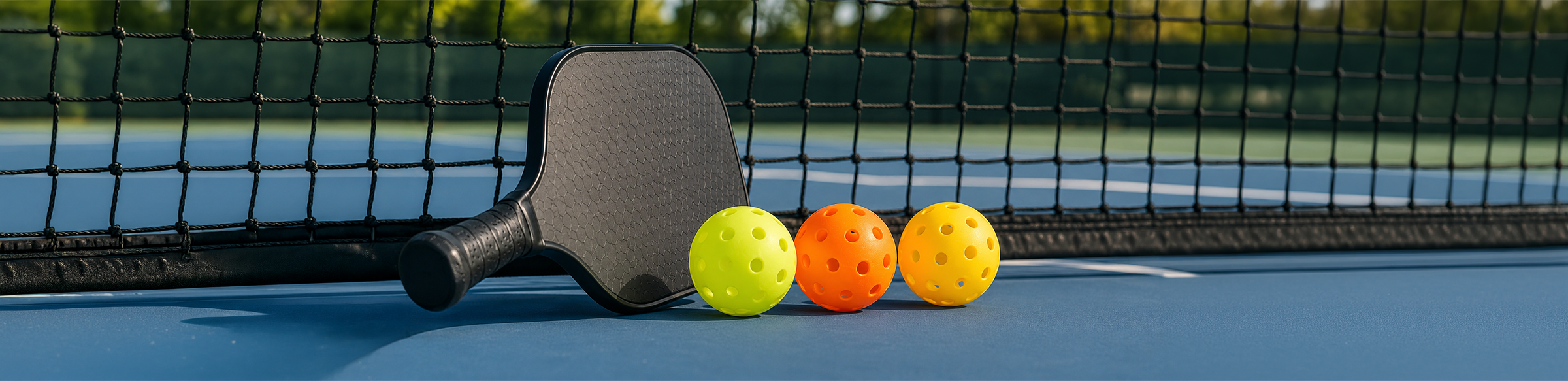
Bright colors such as neon yellow or green are commonly preferred because they stand out against most court surfaces and backgrounds.
Indoor facilities with unique lighting conditions may favor orange or other high-contrast colors.
The easier it is to see the ball, the more confidently and quickly you can react during fast exchanges.
Tournament Approved vs Recreational Balls
If you compete regularly, make sure the ball is approved by USA Pickleball or the governing organization used in your events.
Tournament-approved balls meet strict standards for:
- Size
- Weight
- Bounce
- Construction consistency
Recreational balls may still perform well for casual play, but they sometimes lack the precision and consistency expected during competitive matches.
Practicing with the same type of ball used in tournaments can also improve familiarity and confidence during competition.
Popular Pickleball Ball Types and Their General Characteristics
While player preference varies widely, several ball categories have become favorites among different communities.
High-Speed Tournament Balls
These are commonly used in advanced outdoor competition.
Known for:
- Fast pace
- Crisp feel
- Aggressive bounce
- Excellent responsiveness
Ideal for advanced players who thrive under pressure and enjoy fast hands battles.
Soft Control Balls
Often preferred indoors or by recreational players.
Known for:
- Gentle feel
- Longer rallies
- Reduced vibration
- Better touch
Excellent for players focused on consistency and strategic placement.
Durable Practice Balls
Designed for heavy use and training sessions.
Known for:
- Longer lifespan
- Reliable bounce
- Moderate speed
- Cost efficiency
Great for drills, group sessions, and repeated practice.
Testing Balls Before Committing
The best way to discover your ideal pickleball is through experimentation.
Try rotating between different balls during practice sessions and pay attention to:
- Comfort level
- Shot confidence
- Rally consistency
- Spin control
- Fatigue
- Reaction timing
Small differences become noticeable over time, especially once you develop a consistent playing style.
Many experienced players carry multiple ball types depending on weather, opponents, and court conditions.
Final Thoughts
Choosing the right pickleball ball is not about finding the universally “best” option. It is about finding the ball that allows your game to feel natural, confident, and effective.
Power players often gravitate toward fast, crisp outdoor balls that amplify aggression. Control-oriented players may prefer softer balls that reward touch and patience. Beginners typically benefit from forgiving options that encourage longer rallies and skill development.
The ball is the heartbeat of every rally. When you find one that complements your style, the entire game feels smoother, more enjoyable, and more connected.
Sometimes the smallest piece of equipment creates the biggest difference on the court.