Every pickleball player hits a wall at roughly the same point in their development, and it's called the third shot drop. It's the shot that decides whether your team gets to the kitchen line on even footing or spends the whole rally getting peppered from the baseline. Pros make it look effortless. Everyone else either smashes it into the net, pops it up for an easy put-away, or bails and drives instead — which works right up until it doesn't.
Why the Third Shot Drop Exists
After the serve and return, the serving team is stuck at the baseline while the returning team is already camped at the kitchen line — the best position on the court. The third shot drop is how the serving team neutralizes that disadvantage: a soft, arcing shot that lands in the opponents' kitchen and dies low, giving the server's team time to advance to the line themselves instead of getting caught out of position.
The Most Common Ways Players Wreck It
Three mistakes show up over and over. First, too much arm and not enough legs — players try to muscle the softness instead of letting a bent-knee, low-to-high paddle path do the work. Second, aiming for a spot instead of a height — a drop that clears the net by six inches and dies in the kitchen is far more reliable than one aimed at a precise x-y coordinate. Third, treating it as one shot instead of a first move — a good drop is designed to set up your team's approach to the net, not to end the point outright.
A Drill That Actually Builds the Feel
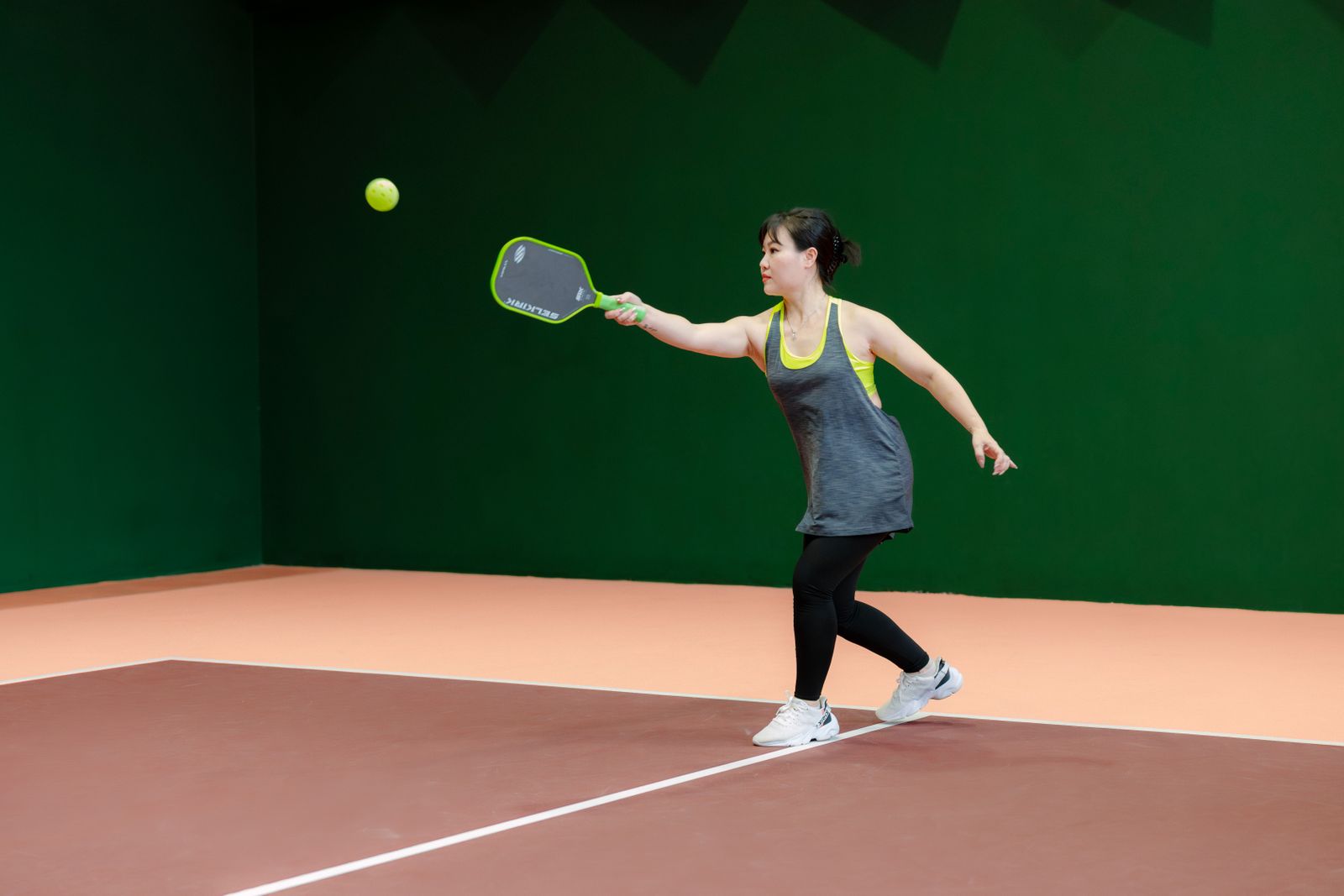
Stand at the baseline and feed yourself (or have a partner feed) balls to drop into the kitchen, focusing purely on arc height over the net and where the ball lands — not on speed. Repeat in sets of ten until you can land seven or eight in the kitchen consistently, then start moving forward one step at a time as your drops improve, since a shorter drop is easier than one hit from the baseline. Most players see the biggest jump in consistency once they stop trying to add pace and start trusting the shot to travel on its own.
Why Paddle Feel Changes Everything Here
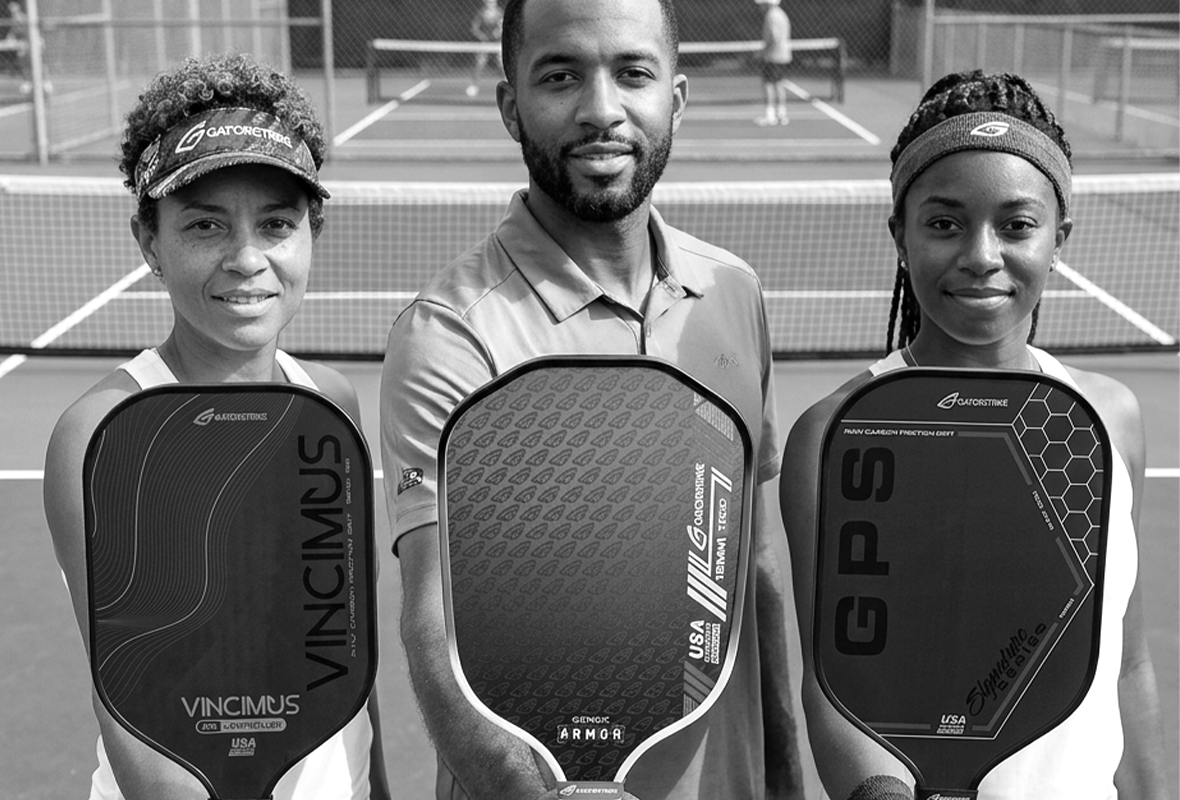
A drop shot lives or dies on touch, and touch depends on how much feedback your paddle gives you at slow, soft contact. A paddle built purely for power tends to feel dead and unpredictable at low speeds — exactly when you need the most control. That's where a dedicated control paddle earns its keep: a face and core tuned to give you consistent feel on soft shots, not just power on drives.
Build a drop shot you can trust under pressure. Check out the Gold Pro Elite T700 Control and start owning the soft game.